Michel van Royen


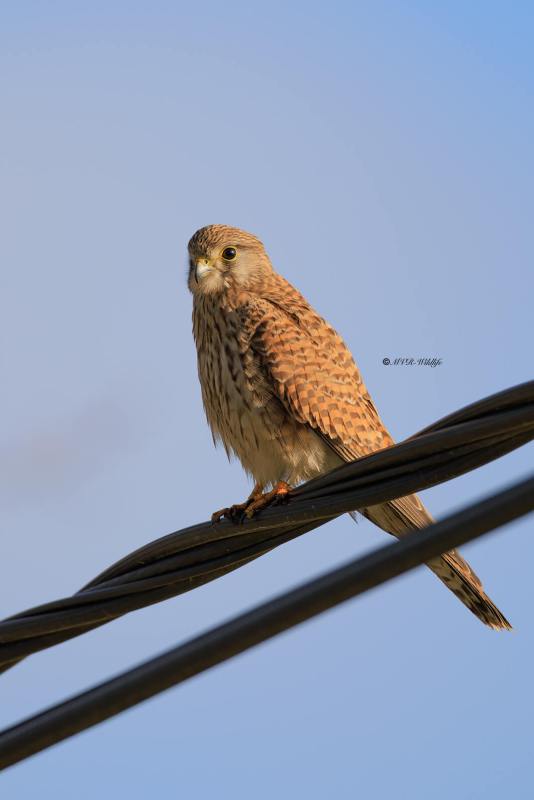
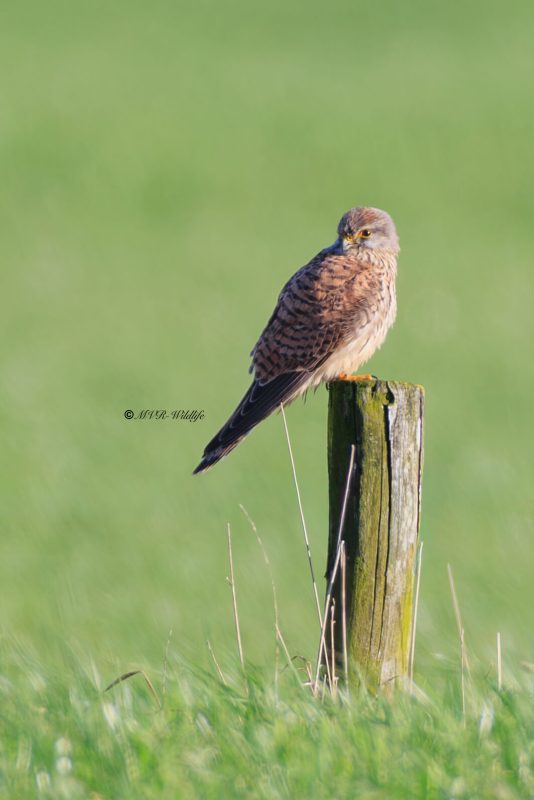
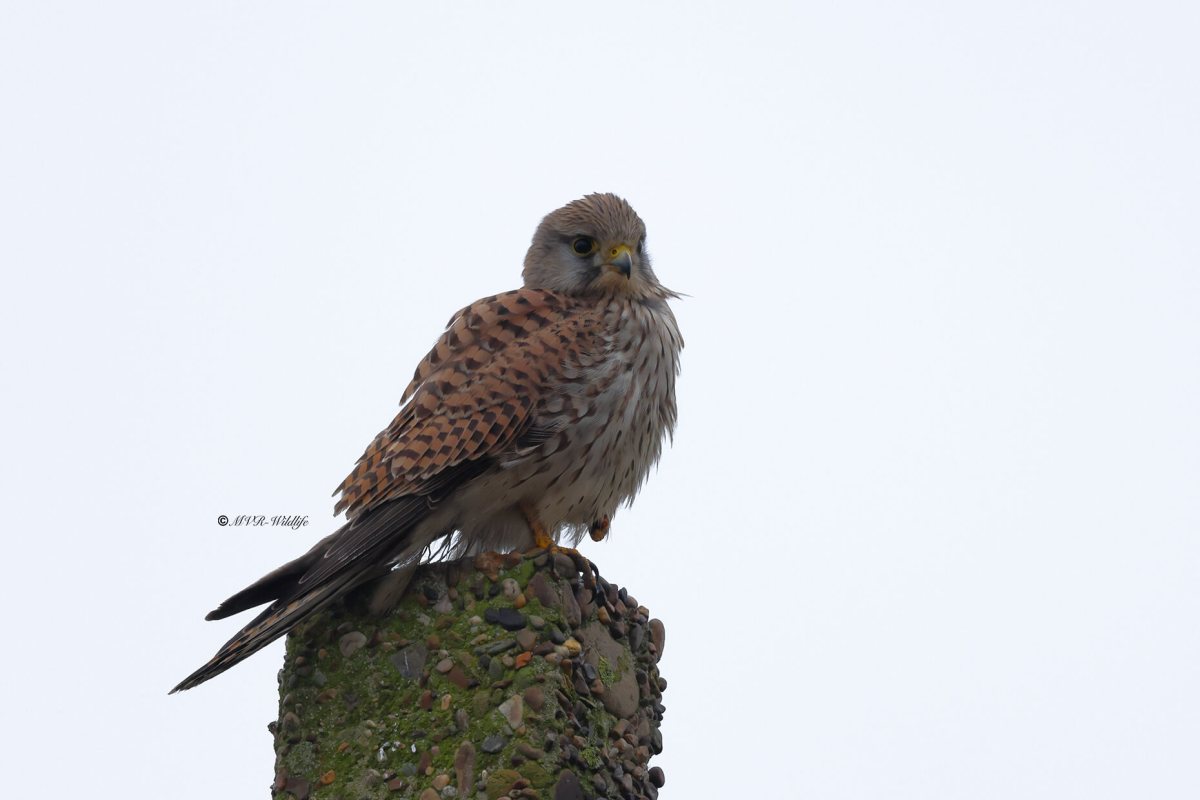
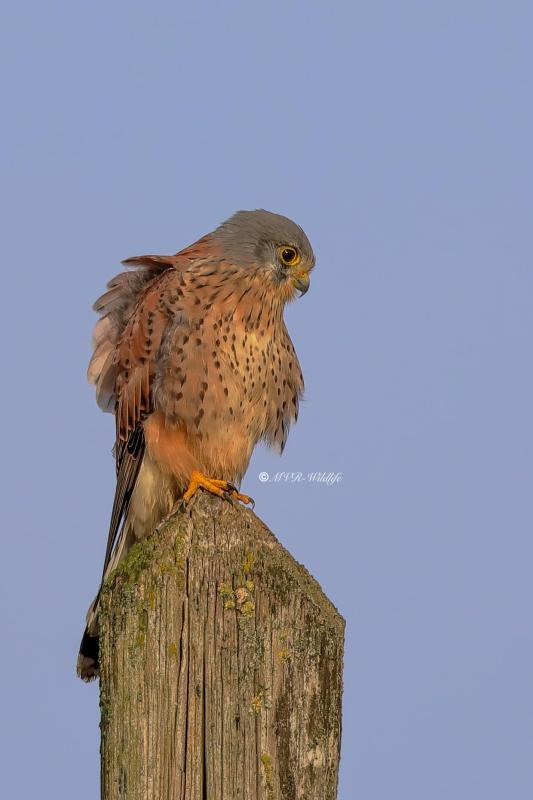
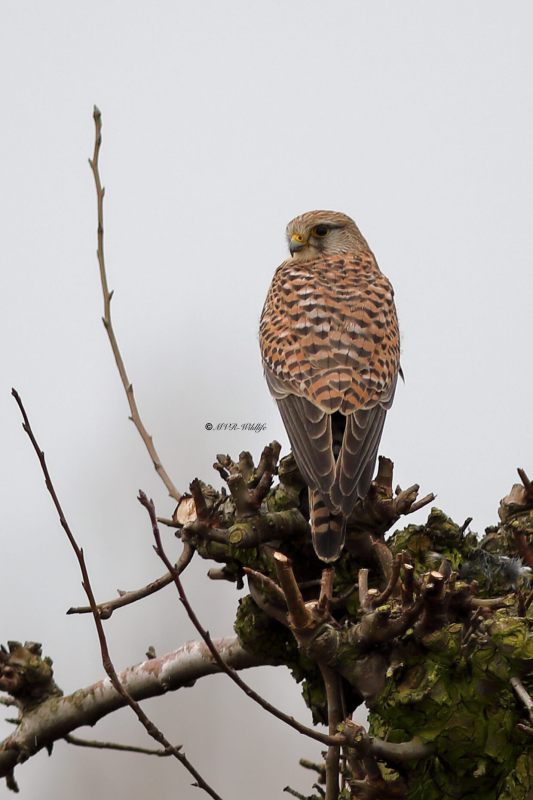
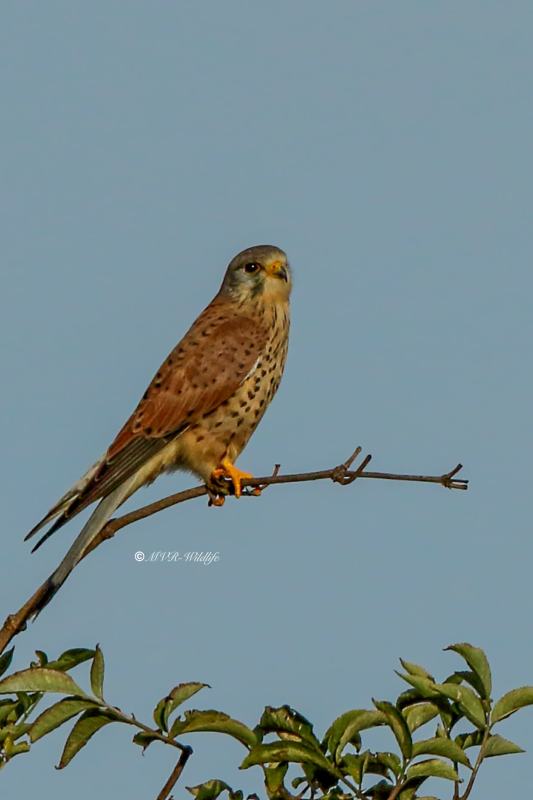
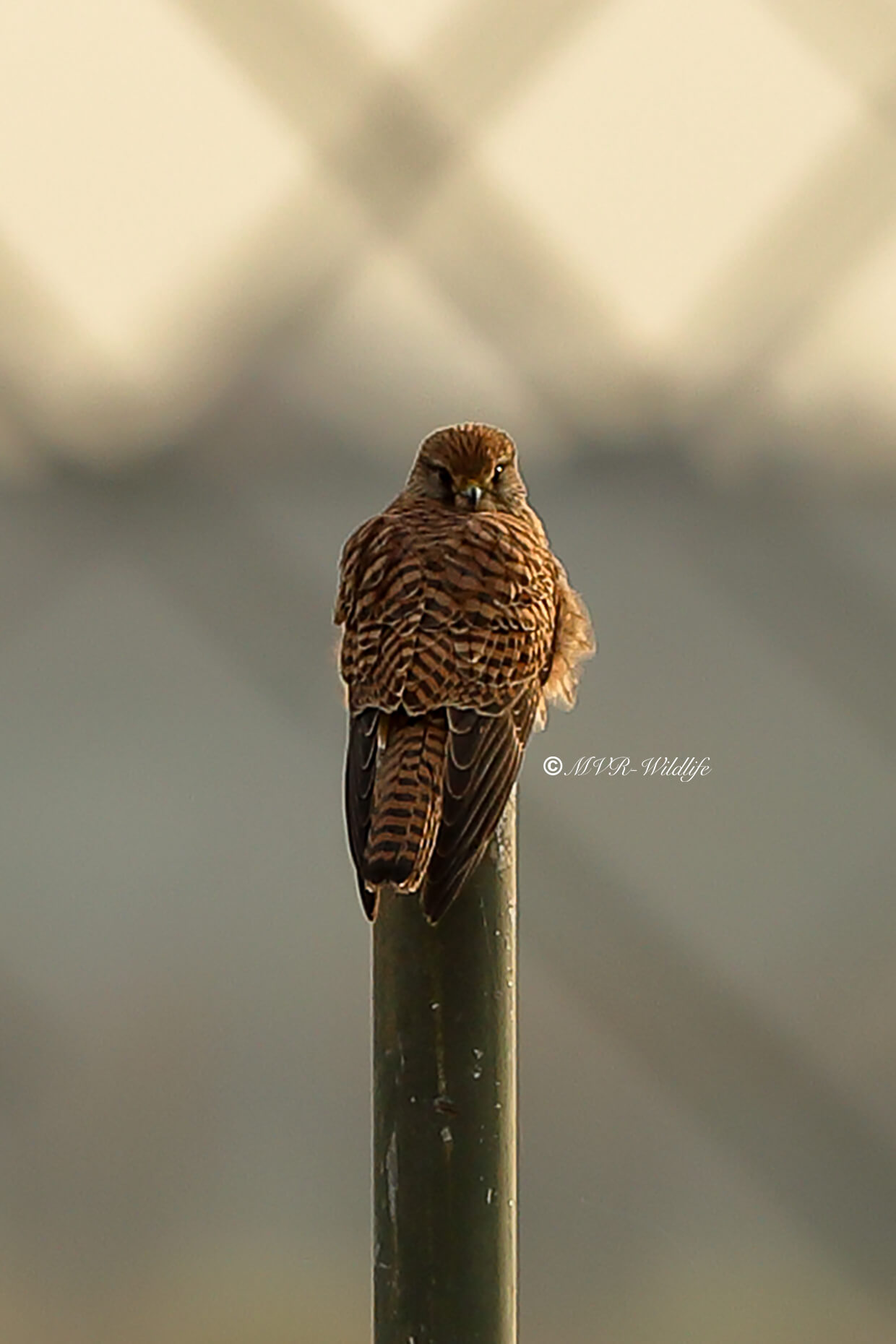
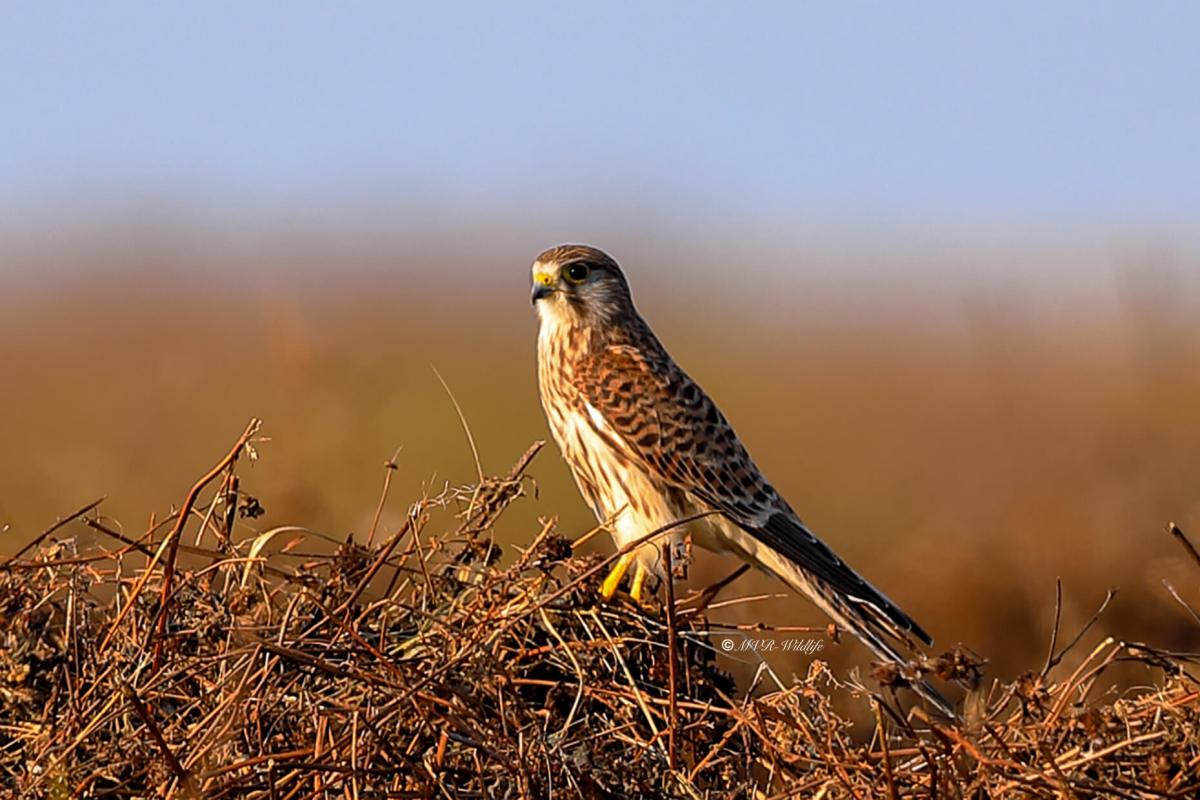
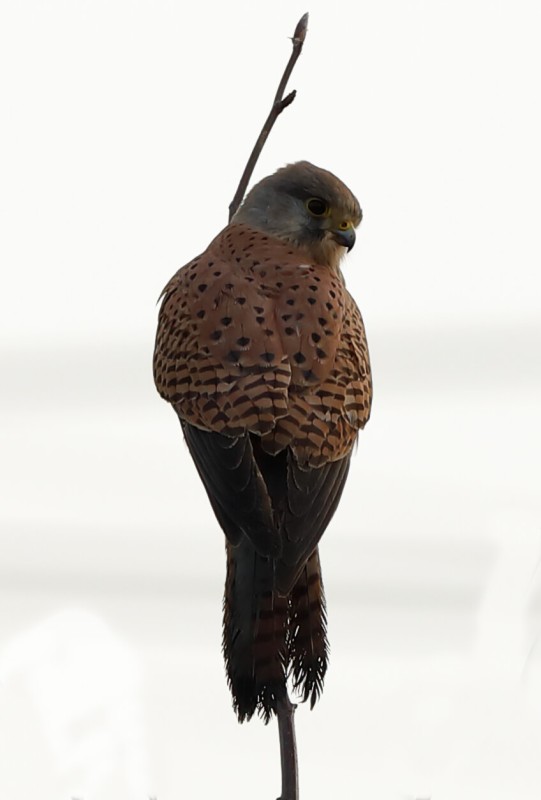
Common Kestrel
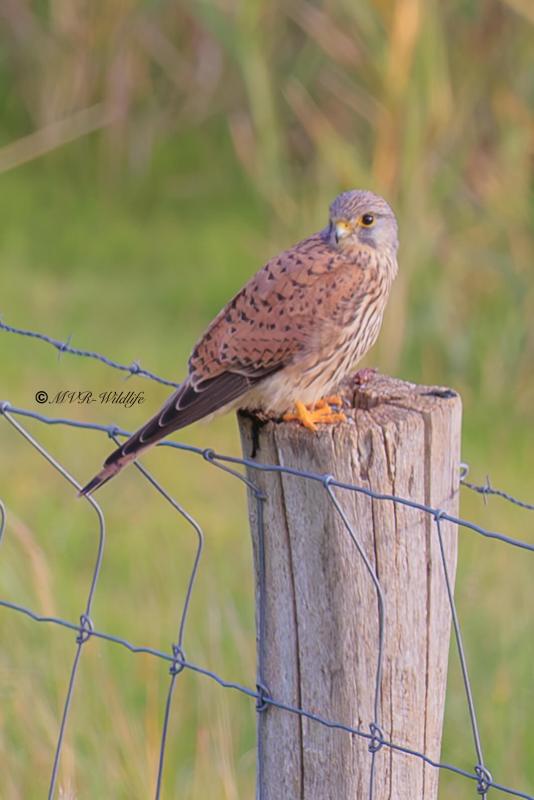
Habitat: As the Kestrel is not very selective in its choice of habitat, it can be found almost everywhere, even in cities. However, it is less common in treeless and intensively cultivated areas. The species does not occur in large forest areas either. Local concentrations along motorways may have given the impression of a general increase.
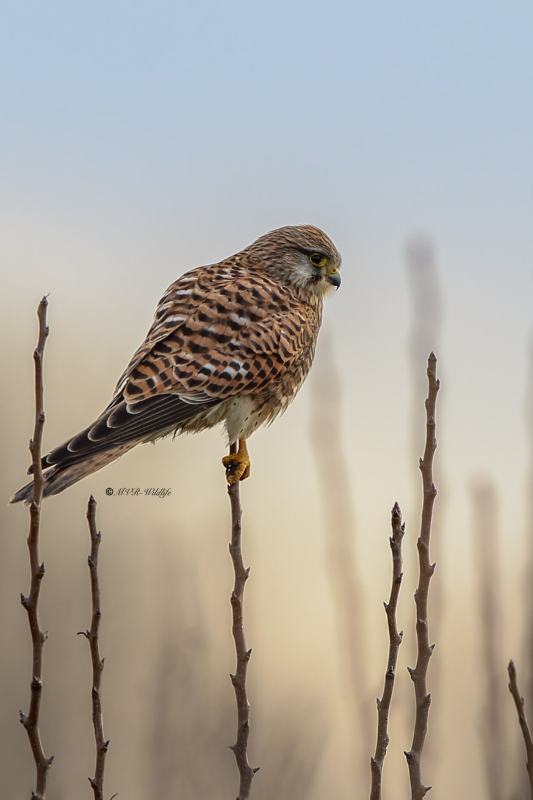
Appearance: By far the most numerous falcon in Western and Central Europe. In Belgium and the Netherlands, it is a fairly scarce to fairly numerous breeding bird, year-round resident, migrant and winter visitor in fairly small to fairly large numbers.
Breeding season: April to August, does not build its own nest – breeds in the abandoned nests of other large birds, especially crows and magpies. Kestrels also breed in all kinds of buildings, preferably as high as possible. They choose holes in walls that are sheltered from the wind. Loose colonies can form on high church towers. The population has increased significantly thanks to the installation of suitable nesting boxes. Like other falcons, they make little or no use of nesting material, laying 4-6 eggs.
Characteristics: Length 31-37 cm, wingspan 65-78 cm, weight 130-310 grams, age 23 years.
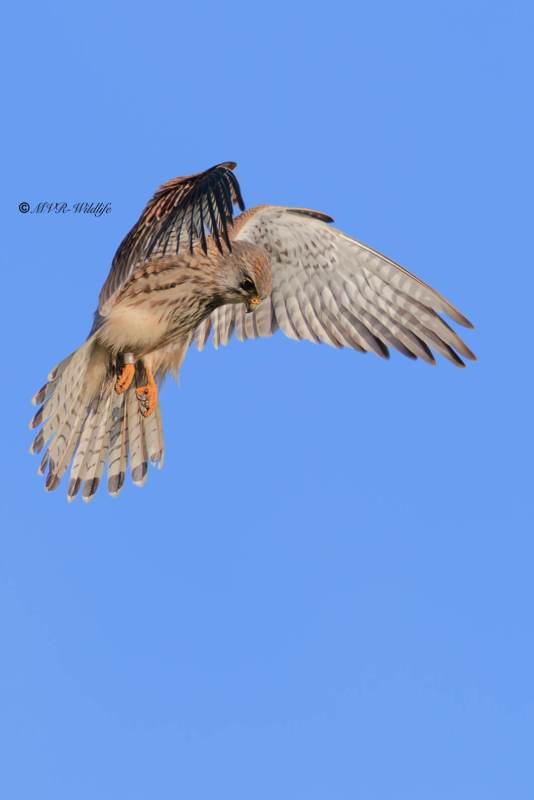
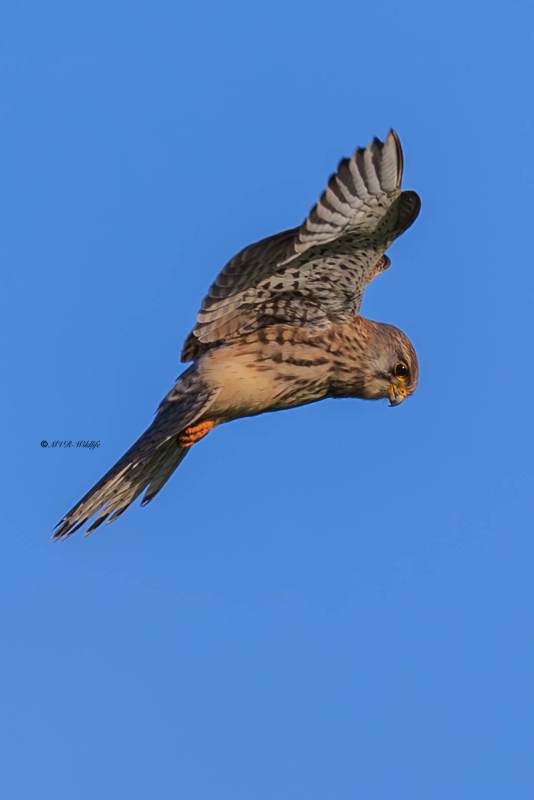
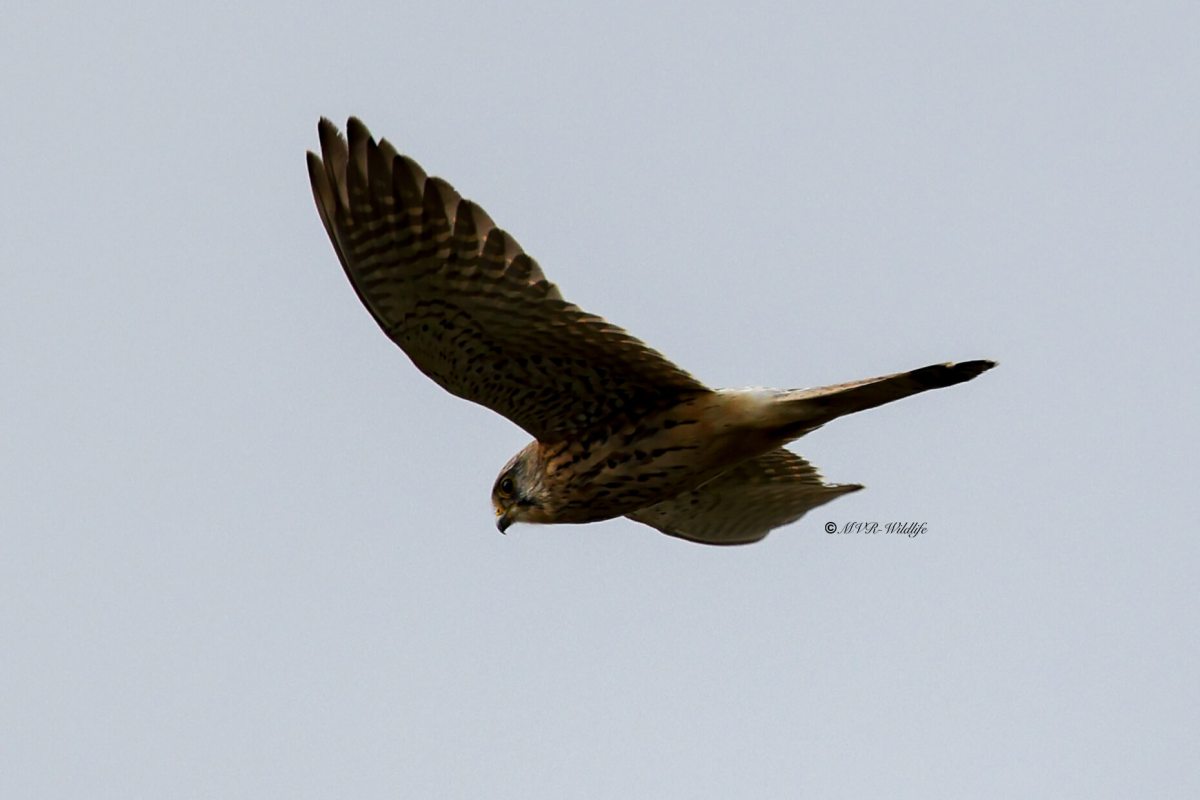
Food: The kestrel catches its prey almost exclusively on the ground. When hunting, it searches its hunting ground with hasty wing beats, only occasionally making a half or three-quarter arc in gliding flight. It often hovers in flight, descending in a series of steps and then diving at its prey with full force and closed wings over the last few metres. In summer, it mainly catches insects, especially grasshoppers, but also mice, lizards, frogs, young and adult birds such as larks, buntings and house sparrows. Its largest prey are weasels, blackbirds and quails. Rarely, and usually unsuccessfully, it hunts flying birds. In keeping with the nature of falcons, it kills its prey with a bite to the neck.