Michel van Royen


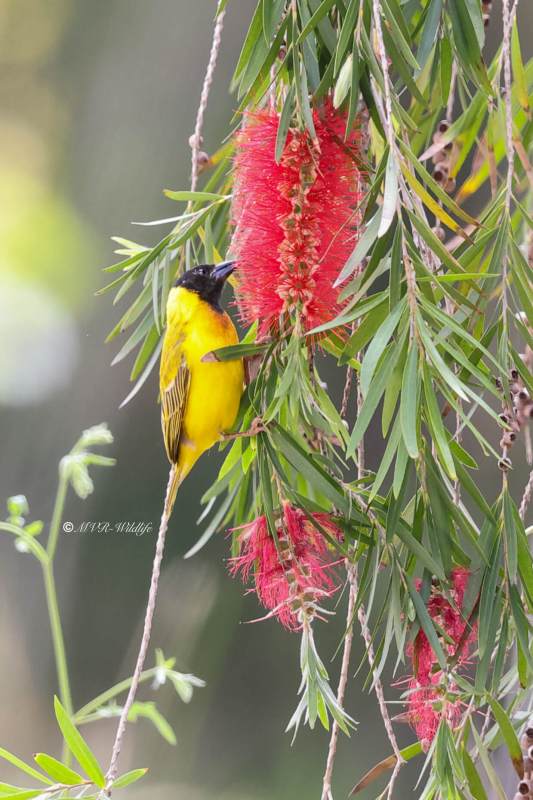
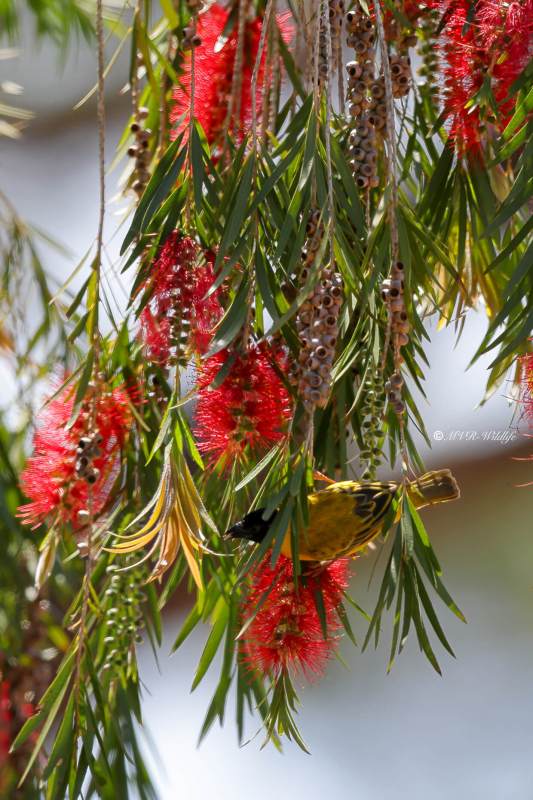
Black-headed Weaver
- Birds
- Bee-eaters and Rollers
- Birds of prey and Vultures
- Cormorants
- Cranes
- Crows and jays
- Cuckoos
- Ducks, Geese and Swans
- Barnacle Goose
- Common Goldeneye
- Common Merganser
- Common Pochard
- Common Shelduck
- Domestic Duck
- Domestic Goose
- Egyptian Goose
- Eurasian Teal
- Eurasian Wigeon
- Ferruginous Duck
- Gadwall
- Garganey
- Greater Canada Goose
- Greater White-fronted
- Greylag Goose
- Hooded Merganser
- Lesser White-fronted
- Long-tailed Duck
- Mallard
- Mandarin Duck
- Muscovy Duck
- Mute Swan
- Northern Pintail
- Northern Shoveler
- Red-breasted Goose
- Ruddy Shelduck
- Snow Goose
- Tufted Duck
- Tundra Swan
- Flycatchers
- Goldcrests and Wrens
- Grasshopper Warbler
- Gulls, Terns and Skimmers
- Herons, Storks and Ibises
- Hoopoes and Kingfishers
- Larks
- Leaf warblers
- Loons and Grebes
- Nuthatches and Treecreepers
- Owls
- Pheasants and allies
- Pigeons and Doves
- Rails, crakes, and coots
- Reed warblers
- Shrikes
- Sparrows, Finches and Buntings
- Atlantic Canary
- Brambling
- Bullfinch
- Cirl Bunting
- Common Chaffinch
- Common Linnet
- Common Redpoll
- Common Waxbill
- Corn Bunting
- European Goldfinch
- European Greenfinch
- European Serin
- Hawfinch
- House Sparrow
- Lesser Redpoll
- Red Crossbill
- Reed Bunting
- Rock Sparrow
- Siskin
- Snow Bunting
- Spanish Sparrow
- Tenerife Blue Chaffinch
- Yellowhammer
- Starlings
- Stilts(Avocetss, Plovers, Curlews…)
- Black tailed Godwit
- Black-winged Stilt
- Common Greenshank
- Common Redshank
- Common Sandpiper
- Common Snipe
- Curlew Sandpiper
- Dunlin
- Eurasian Curlew
- Eurasian Oystercatcher
- Eurasian Whimbrel
- Grand Gravelot
- Green Sandpiper
- Grey Plover
- Kentish Plover
- Lapwing
- Little Ringed Plover
- Pied Avocet
- Ruddy Turnstone
- Ruff
- Sanderling
- Spotted Redshank
- Swallows and martins
- Swifts
- The accentors
- The Sylviid Warblers
- Thrushes
- Tits and chickadees
- Wagtails and pipits
- White-throated Dipper and Bohemian Waxwing
- Woodpeckers
- ZZ-Imported and escaped bird species
- Butterflies and moths
- Butterflies
- Brush-footed(four-footed) butterflies
- Comma Butterfly
- False Heath Fritillary
- Hedge Brown Gatekeeper
- High Brown Fritillary
- Large Tortoiseshell
- Large Wall Brown
- Lesser Purple Emperor
- Map Butterfly
- Marbled White
- Meadow Brown
- Painted Lady
- Peacock Butterfly
- Pearly Heath
- Plain Tiger
- Purple Emperor
- Queen of Spain Fritillary
- Red Admiral
- Ringlet
- Silver washed Fritillary
- Small Heath
- Small Tortoiseshell
- Southern Gatekeeper
- Speckled Wood (Aegeria)
- Speckled Wood (Tircis)
- Striped Grayling
- Two tailed Pasha
- Wall Brown
- White Admiral
- Gossamer-Winged Butterflies
- Skippers
- Swallowtails
- Yellows and Whites
- Brush-footed(four-footed) butterflies
- Moths
- Butterflies
- Dragonflies
- Damselflies
- True Dragonflies
- in the spotlight
- Mammels
- Praying Mantises, Grasshoppers, Crickets, and Locusts
- Grasshoppers, Locusts, and Allies (Caelifera)
- Grasshoppers
- Blue Band-winged Grasshopper
- Blue-winged Sand Grasshopper
- Bow-winged Grasshopper
- Common Cylindric Grashopper
- Common Field Grasshopper
- Common Green
- Desert Locust
- Egyptian Bird Grasshopper
- Handsome Cross Grasshopper
- Italian locust
- Lamenting grasshopper
- Large Gold Grasshopper
- Large Marsh Grasshopper
- Meadow Grasshopper
- Mediterranean Splendid Grasshopper
- Migratory Locust
- Moroccan Cross-backed Grasshopper
- Slender Burrowing Grasshopper
- Slender Green-winged Grasshopper
- Steppe Grasshopper
- Water-Meadow Grasshopper
- Woodland Grasshopper
- Groundhoppers
- Grasshoppers
- Katydids, Crickets, and Allies (Ensifera)
- Praying Mantises (Mantidae)
- Grasshoppers, Locusts, and Allies (Caelifera)
- The biology of birds in the wild
- 1 – Birds in Animal Paradise
- 2 – The evolution of birds: a look at their fosil past
- 3 – Specification and systematics are important components of biology:
- 4 – Bird feathers: what, where and why
- 5 – The art of flying, how birds do it
- 6 – Fuel for the bird engine
- 7 – Every bird sings as it is beaked
- 8 – From beak to cloaca
Habitat: The habitat consists of damp areas with long grass near water.
Appearance: The species was accidentally introduced to Spain and Portugal, where feral populations have now established themselves and are able to sustain themselves. The Black-headed Weaver is originally an African breeding bird.
Breeding season: Mid-April to late June, the male builds a spherical to onion-shaped nest in overhanging grass stalks or twigs, often 2 m above the water, 4 to 6 eggs.
Characteristics: Length 14 cm, wingspan 20 – 23 cm, weight 20 grams, lifespan 3 years.
Food: It is an omnivore and its diet varies depending on the season and the availability of food. During the breeding season, it mainly eats insects, berries and other fruits.