Michel van Royen


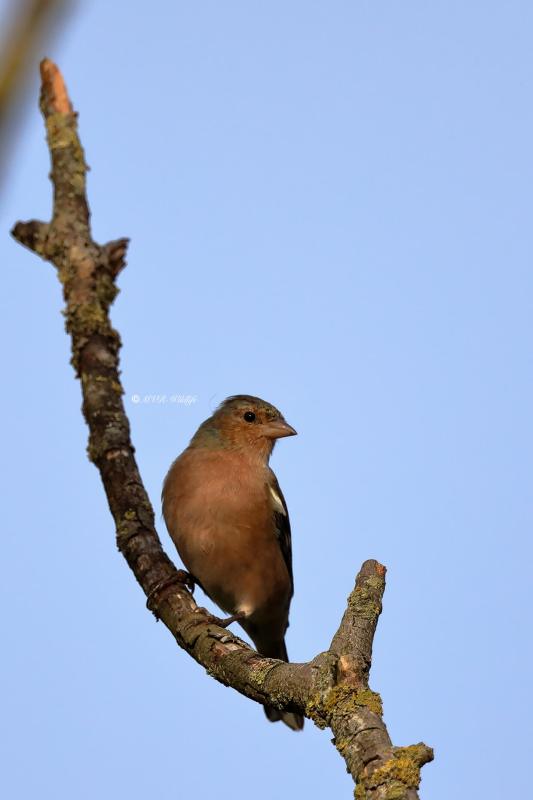
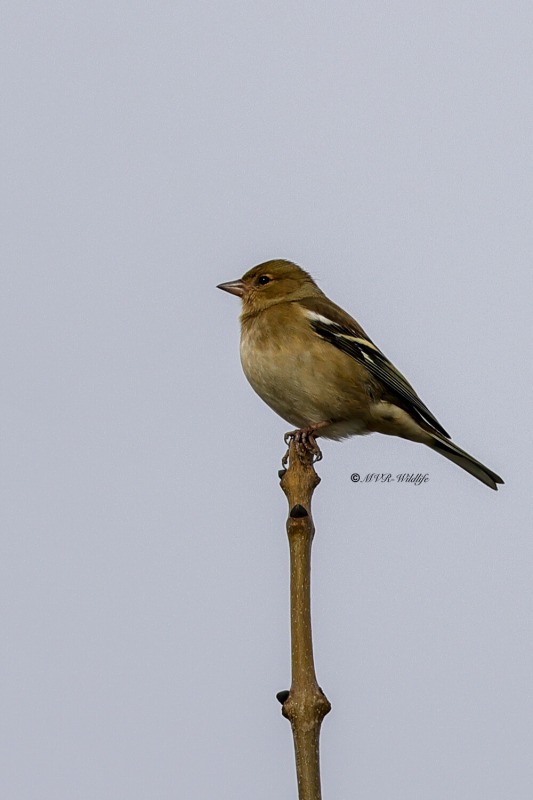
Common Chaffinch
-
Birds
- Bee-eaters and Rollers
- Birds of prey and Vultures
- Cormorants
- Cranes
- Crows and jays
- Cuckoos
-
Ducks, Geese and Swans
- Barnacle Goose
- Common Goldeneye
- Common Merganser
- Common Pochard
- Common Shelduck
- Domestic Duck
- Domestic Goose
- Egyptian Goose
- Eurasian Teal
- Eurasian Wigeon
- Ferruginous Duck
- Gadwall
- Garganey
- Greater Canada Goose
- Greater White-fronted
- Greylag Goose
- Hooded Merganser
- Lesser White-fronted
- Long-tailed Duck
- Mallard
- Mandarin Duck
- Muscovy Duck
- Mute Swan
- Northern Pintail
- Northern Shoveler
- Red-breasted Goose
- Ruddy Shelduck
- Snow Goose
- Tufted Duck
- Tundra Swan
- Flycatchers
- Goldcrests and Wrens
- Grasshopper Warbler
- Gulls, Terns and Skimmers
- Herons, Storks and Ibises
- Hoopoes and Kingfishers
- Larks
- Leaf warblers
- Loons and Grebes
- Nuthatches and Treecreepers
- Owls
- Pheasants and allies
- Pigeons and Doves
- Rails, crakes, and coots
- Reed warblers
- Shrikes
-
Sparrows, Finches and Buntings
- Atlantic Canary
- Brambling
- Bullfinch
- Cirl Bunting
- Common Chaffinch
- Common Linnet
- Common Redpoll
- Common Waxbill
- Corn Bunting
- European Goldfinch
- European Greenfinch
- European Serin
- Hawfinch
- House Sparrow
- Lesser Redpoll
- Red Crossbill
- Reed Bunting
- Rock Sparrow
- Siskin
- Snow Bunting
- Spanish Sparrow
- Tenerife Blue Chaffinch
- Yellowhammer
- Starlings
-
Stilts(Avocetss, Plovers, Curlews…)
- Black tailed Godwit
- Black-winged Stilt
- Common Greenshank
- Common Redshank
- Common Sandpiper
- Common Snipe
- Curlew Sandpiper
- Dunlin
- Eurasian Curlew
- Eurasian Oystercatcher
- Eurasian Whimbrel
- Grand Gravelot
- Green Sandpiper
- Grey Plover
- Kentish Plover
- Lapwing
- Little Ringed Plover
- Pied Avocet
- Ruddy Turnstone
- Ruff
- Sanderling
- Spotted Redshank
- Swallows and martins
- Swifts
- The accentors
- The Sylviid Warblers
- Thrushes
- Tits and chickadees
- Wagtails and pipits
- White-throated Dipper and Bohemian Waxwing
- Woodpeckers
- ZZ-Imported and escaped bird species
-
Butterflies and moths
-
Butterflies
-
Brush-footed(four-footed) butterflies
- Comma Butterfly
- False Heath Fritillary
- Hedge Brown Gatekeeper
- High Brown Fritillary
- Large Tortoiseshell
- Large Wall Brown
- Lesser Purple Emperor
- Map Butterfly
- Marbled White
- Meadow Brown
- Painted Lady
- Peacock Butterfly
- Pearly Heath
- Plain Tiger
- Purple Emperor
- Queen of Spain Fritillary
- Red Admiral
- Ringlet
- Silver washed Fritillary
- Small Heath
- Small Tortoiseshell
- Southern Gatekeeper
- Speckled Wood (Aegeria)
- Speckled Wood (Tircis)
- Striped Grayling
- Two tailed Pasha
- Wall Brown
- White Admiral
- Gossamer-Winged Butterflies
- Skippers
- Swallowtails
- Yellows and Whites
-
Brush-footed(four-footed) butterflies
- Moths
-
Butterflies
-
Dragonflies
- Damselflies
- True Dragonflies
- in the spotlight
- Mammels
-
Praying Mantises, Grasshoppers, Crickets, and Locusts
-
Grasshoppers, Locusts, and Allies (Caelifera)
-
Grasshoppers
- Blue Band-winged Grasshopper
- Blue-winged Sand Grasshopper
- Bow-winged Grasshopper
- Common Cylindric Grashopper
- Common Field Grasshopper
- Common Green
- Desert Locust
- Egyptian Bird Grasshopper
- Handsome Cross Grasshopper
- Italian locust
- Lamenting grasshopper
- Large Gold Grasshopper
- Large Marsh Grasshopper
- Meadow Grasshopper
- Mediterranean Splendid Grasshopper
- Migratory Locust
- Moroccan Cross-backed Grasshopper
- Slender Burrowing Grasshopper
- Slender Green-winged Grasshopper
- Steppe Grasshopper
- Water-Meadow Grasshopper
- Woodland Grasshopper
- Groundhoppers
-
Grasshoppers
- Katydids, Crickets, and Allies (Ensifera)
- Praying Mantises (Mantidae)
-
Grasshoppers, Locusts, and Allies (Caelifera)
-
The biology of birds in the wild
- 1 – Birds in Animal Paradise
- 2 – The evolution of birds: a look at their fosil past
- 3 – Specification and systematics are important components of biology:
- 4 – Bird feathers: what, where and why
- 5 – The art of flying, how birds do it
- 6 – Fuel for the bird engine
- 7 – Every bird sings as it is beaked
- 8 – From beak to cloaca
Habitat: In our regions, the chaffinch is associated with trees, but not strictly with forests. It settles wherever there are at least a few trees and where the ground is sufficiently open and accessible. Only environments with low, dense shrubs and young plantations are avoided. In towns, it breeds in parks, cemeteries, undeveloped areas with a few trees, slag heaps, etc.
Appearance: Numerous and common resident bird and summer visitor in Europe. Very numerous breeding bird in Belgium and the Netherlands – year-round resident – partially migratory – passage migrant and winter visitor in very large to extremely large numbers.
Breeding season: April to July, nests in trees, 3 to 6 eggs.
Characteristics: Length 14.5 cm, wingspan 24.5 to 28.5 cm, weight 20 to 40 grams, lifespan 17 years.
Food: Insects and seeds.