Michel van Royen


Common Quail
- Birds
- Bee-eaters and Rollers
- Birds of prey and Vultures
- Cormorants
- Cranes
- Crows and jays
- Cuckoos
- Ducks, Geese and Swans
- Barnacle Goose
- Common Goldeneye
- Common Merganser
- Common Pochard
- Common Shelduck
- Domestic Duck
- Domestic Goose
- Egyptian Goose
- Eurasian Teal
- Eurasian Wigeon
- Ferruginous Duck
- Gadwall
- Garganey
- Greater Canada Goose
- Greater White-fronted
- Greylag Goose
- Hooded Merganser
- Lesser White-fronted
- Long-tailed Duck
- Mallard
- Mandarin Duck
- Muscovy Duck
- Mute Swan
- Northern Pintail
- Northern Shoveler
- Red-breasted Goose
- Ruddy Shelduck
- Snow Goose
- Tufted Duck
- Tundra Swan
- Flycatchers
- Goldcrests and Wrens
- Grasshopper Warbler
- Gulls, Terns and Skimmers
- Herons, Storks and Ibises
- Hoopoes and Kingfishers
- Larks
- Leaf warblers
- Loons and Grebes
- Nuthatches and Treecreepers
- Owls
- Pheasants and allies
- Pigeons and Doves
- Rails, crakes, and coots
- Reed warblers
- Shrikes
- Sparrows, Finches and Buntings
- Starlings
- Stilts(Avocetss, Plovers, Curlews…)
- Black tailed Godwit
- Black-winged Stilt
- Common Greenshank
- Common Redshank
- Common Sandpiper
- Common Snipe
- Curlew Sandpiper
- Dunlin
- Eurasian Curlew
- Eurasian Oystercatcher
- Eurasian Whimbrel
- Grand Gravelot
- Green Sandpiper
- Grey Plover
- Kentish Plover
- Lapwing
- Little Ringed Plover
- Pied Avocet
- Ruddy Turnstone
- Ruff
- Sanderling
- Spotted Redshank
- Swallows and martins
- Swifts
- The accentors
- The Sylviid Warblers
- Thrushes
- Tits and chickadees
- Wagtails and pipits
- White-throated Dipper and Bohemian Waxwing
- Woodpeckers
- ZZ-Imported and escaped bird species
- Butterflies
- Brush-footed(four-footed) butterflies
- Comma Butterfly
- Hedge Brown Gatekeeper
- Large Wall Brown
- Lesser Purple Emperor
- Map Butterfly
- Marbled White
- Meadow Brown
- Painted Lady
- Peacock Butterfly
- Pearly Heath
- Plain Tiger
- Red Admiral
- Ringlet
- Silver washed Fritillary
- Small Heath
- Small Tortoiseshell
- Speckled Wood(Aegeria)
- Speckled Wood(Tircis)
- Striped Grayling
- Two tailed Pasha
- Wall Brown
- Geometer moths
- Gossamer-Winged Butterflies
- Grass moths
- Leafroller moths(tortrix moths)
- Macro moths
- Owlet moths
- Skippers
- Sphinx(hawk) moths
- Swallowtails
- Yellows and Whites
- Brush-footed(four-footed) butterflies
- Damselflies
- in the spotlight
- Mammels
- Praying Mantises, Grasshoppers, Crickets, and Locusts
- Grasshoppers, Locusts, and Allies(Caelifera)
- Grasshoppers
- Blue Band-winged Grasshopper
- Bow-winged Grasshopper
- Common Cylindric Grashopper
- Common Field Grasshopper
- Egyptian Bird Grasshopper
- Handsome Cross Grasshopper
- Italian locust
- Lamenting grasshopper
- Large Gold Grasshopper
- Large Marsh Grasshopper
- Meadow Grasshopper
- Mediterranean Splendid Grasshopper
- Migratory Locust
- Slender Green-winged Grasshopper
- Steppe Grasshopper
- Water-Meadow Grasshopper
- Woodland Grasshopper
- Grasshoppers
- Katydids, Crickets, and Allies(Ensifera)
- Praying Mantises(Mantidae)
- Grasshoppers, Locusts, and Allies(Caelifera)
- The biology of birds in the wild
- True Dragonflies
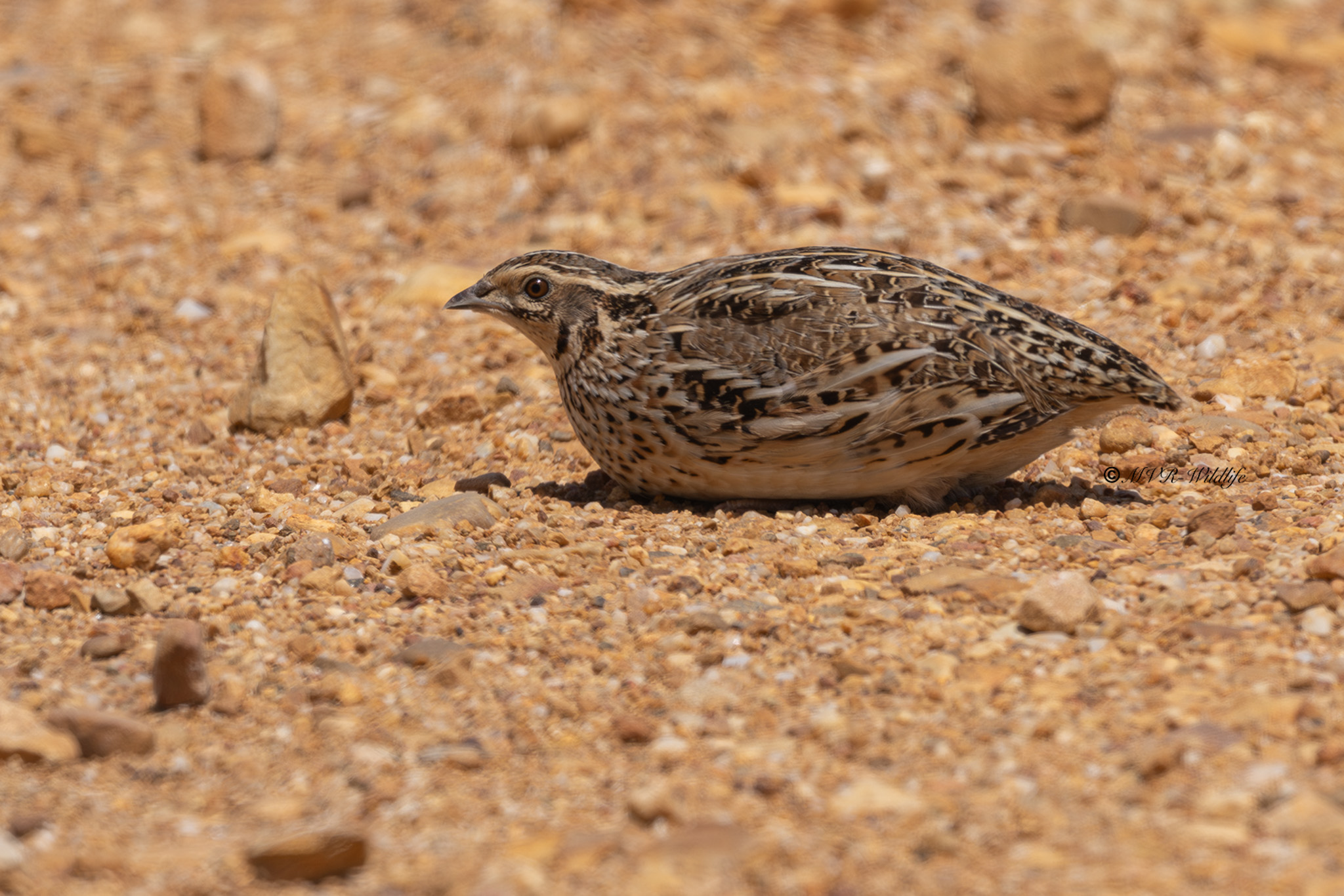
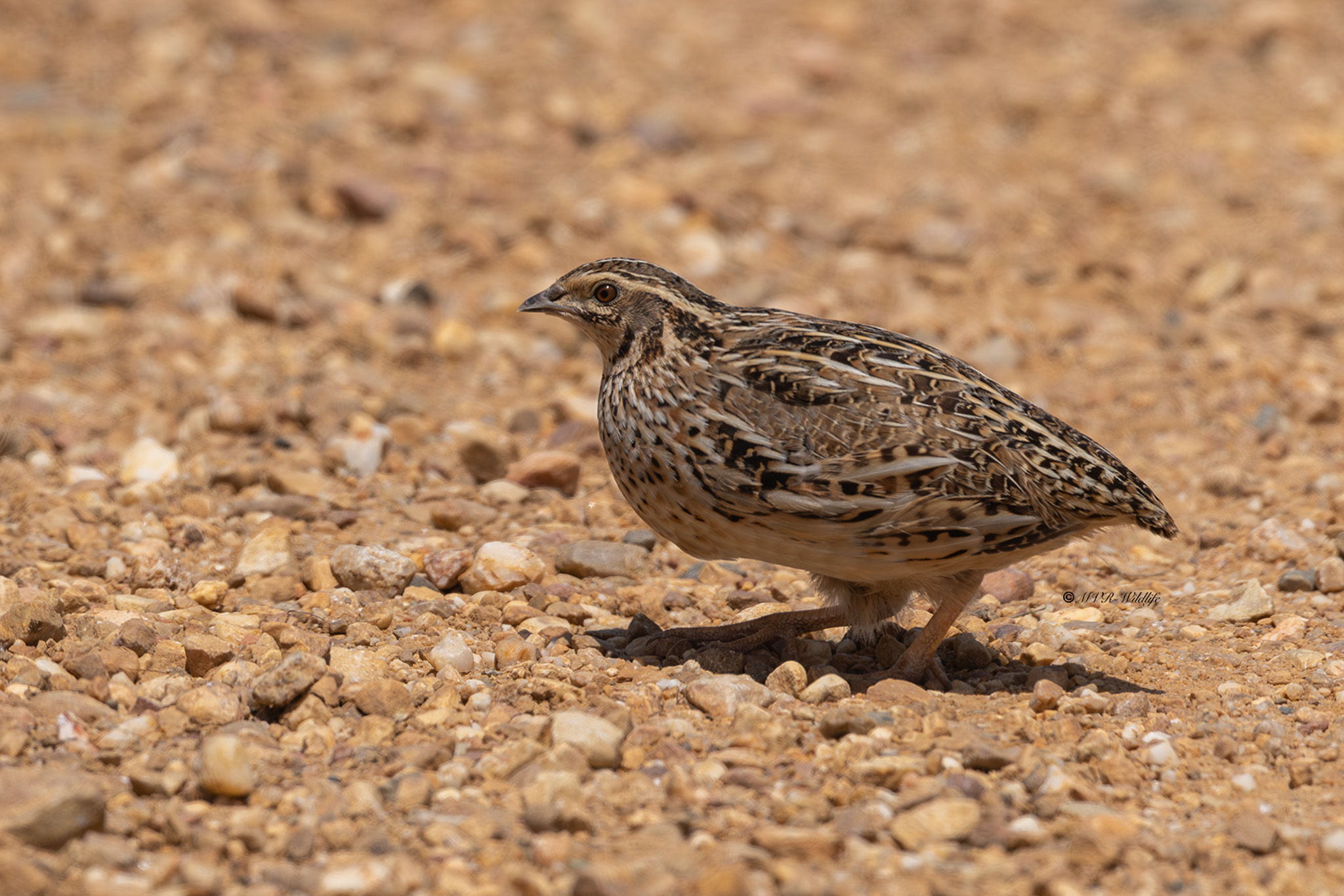
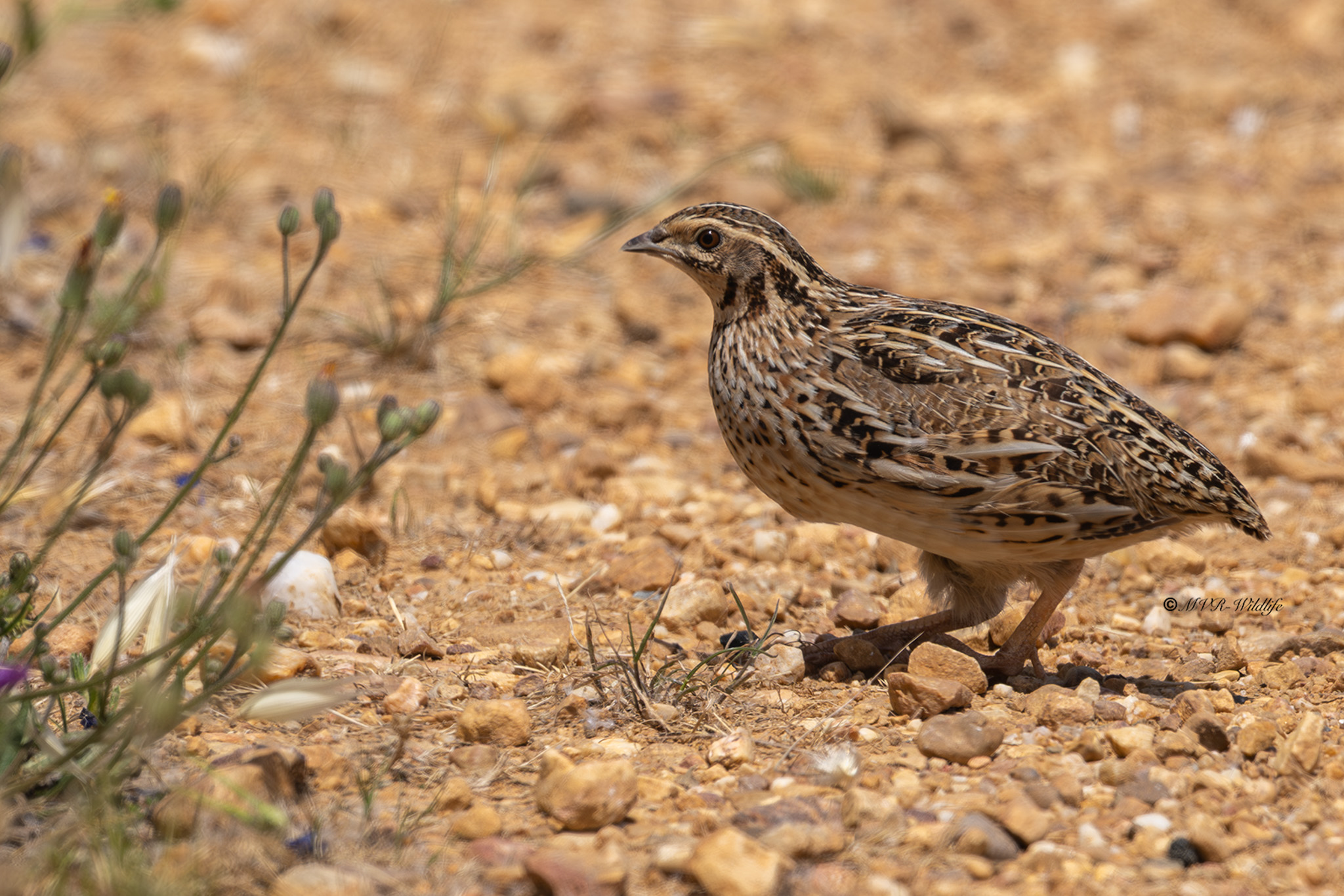
Habitat: Spacious, not overly dry hay meadows and also cornfields, from which the hens and their chicks have usually left before mowing, for example to nearby potato fields. An important prerequisite for their presence is extensive land use.
Appearance: A summer visitor in Europe, with numbers declining; they then migrate to Africa or South Asia in winter. Although apparently a poor flyer, the Quail is a migratory bird that crosses the Mediterranean and the Sahara in a single flight. Many Quails overwinter in countries around the Atlas Mountains. They migrate alone or in small flocks, always just above the ground or water and always at night. In Belgium and the Netherlands, a fairly rare breeding bird – migratory – winter visitor in extremely small numbers.
Breeding season: May – August. Ground nest consisting of a depression lined with stalks and sheltered by vegetation in a field or meadow, preferably a clover field. The female incubates the eggs and cares for the chicks alone. 7 – 14 eggs.
Characteristics: Length 16–18 cm, wingspan 32–35 cm, weight 80–130 g, lifespan 8 years.
Food: A quail eats more animal-based food than other gallinaceous birds, such as insects, spiders, worms and snails, but also young shoots, flowers and seeds. After mowing, it also feeds on fallen grains.