Michel van Royen


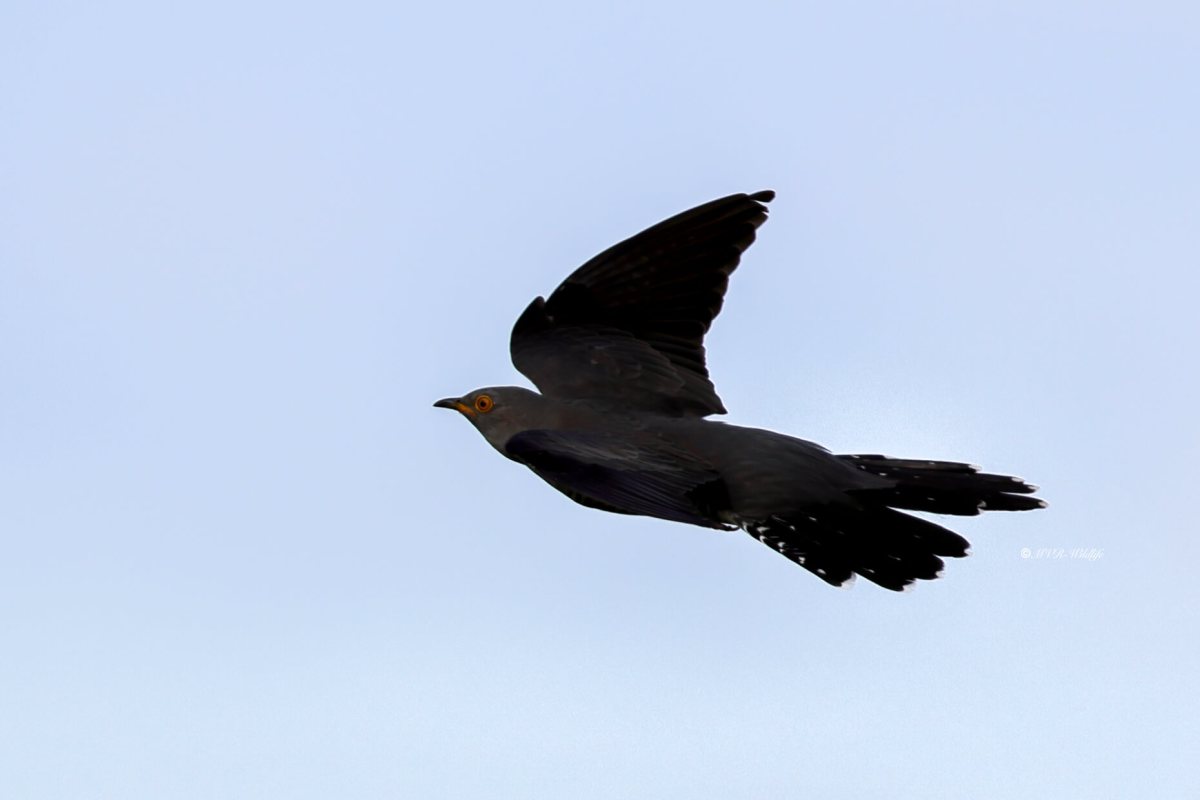
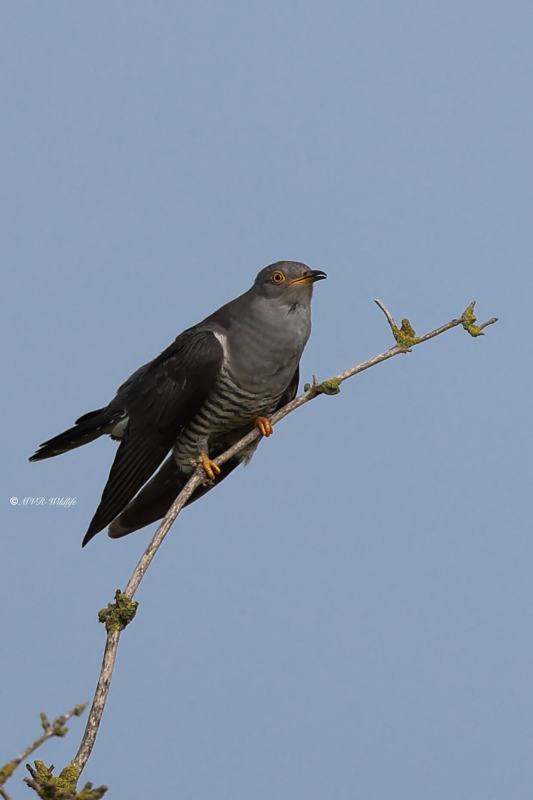
Common Cuckoo
Habitat: The cuckoo is found in almost every habitat that includes trees, except for dense conifer plantations (spruce, Douglas fir) and parks in city centres. It shows a certain preference for semi-wooded agricultural areas, heathland, open areas between forests, spoil heaps with mature trees and vegetation belts around moist habitats. In forests, it occurs in various stages of succession, with the highest densities apparently near the edges and clearings in oak stands of different ages. In smaller numbers, the cuckoo also occurs in sufficiently large poplar plantations, in coniferous woodland with undergrowth, in parks, dunes and polders. Around 40 species of wading birds are known in Belgium. In forests, the robin is the most parasitised species. The dunnock suffers the same fate in gardens and biotopes with scattered copses. The meadow pipit and the yellow wagtail in more open areas and the reed warbler in marshes. Sometimes an egg can be laid in very surprising places: for example, in the nest of a black redstart in a stable.
Appearance: Widespread and common summer visitor throughout almost all of Europe. Its familiar call is a characteristic spring sound and it is the best-known brood parasite in the world. In Belgium and the Netherlands, it is a numerous breeding bird – migratory – passing through in fairly small numbers.
Breeding season: April to August, cuckoos lay one or more eggs in the nests of other birds, the host birds, in a total of around 25 nests.
Characteristics: Length 32-36 cm, wingspan 55-60 cm, weight 95-140 grams, lifespan 13 years.
Food: Insects.