Michel van Royen


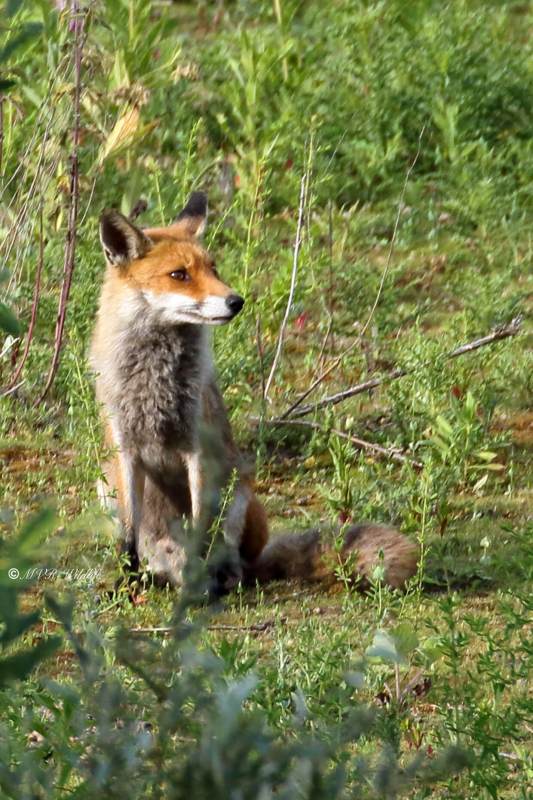
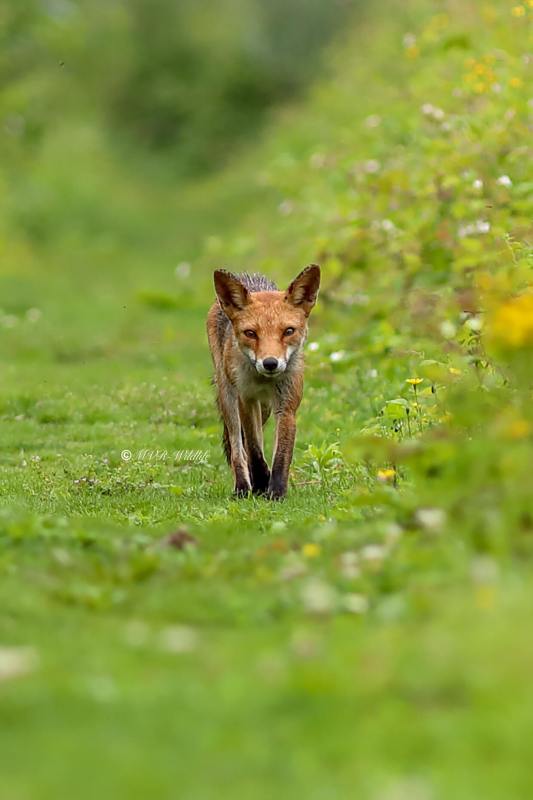
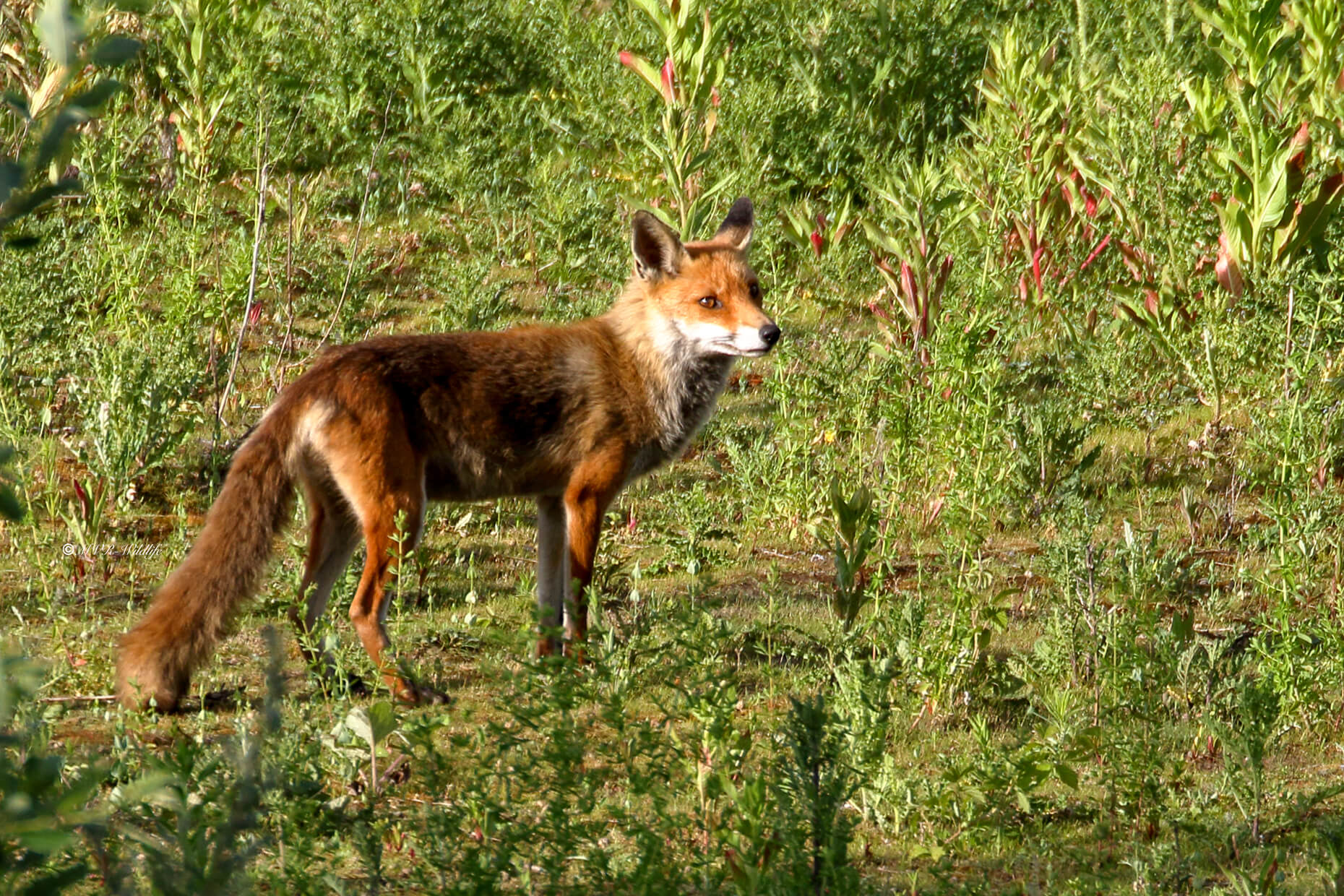
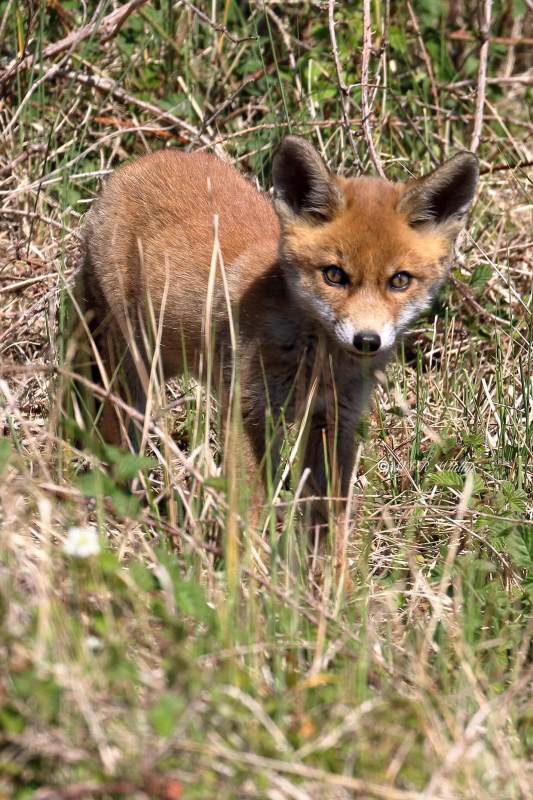
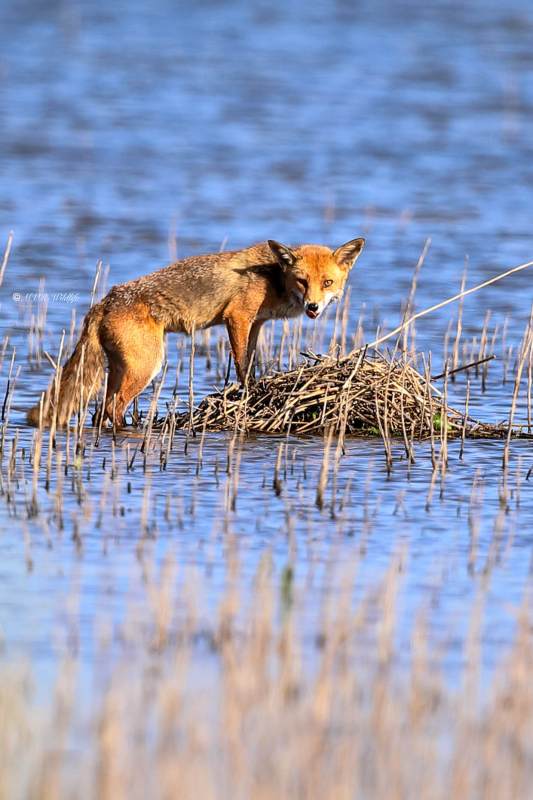
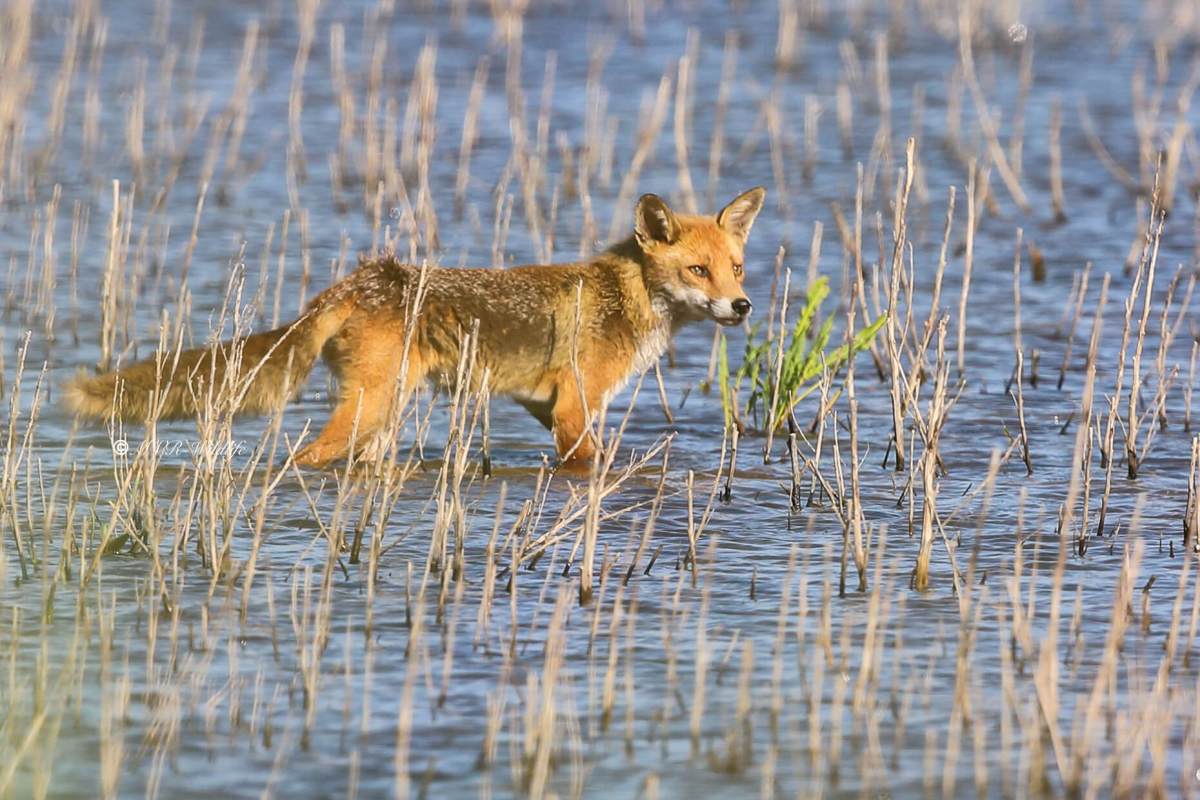
Red Fox
Habitat: Thanks to their great adaptability, both in terms of food choice and shelter, foxes can be found in almost all types of habitats, such as forests and wooded landscapes, heaths and dunes, marshes and fens, polders and agricultural landscapes, parks and even in cities.
Appearance: The fox is found throughout Europe, with the exception of Iceland, Crete and small islands in the Mediterranean.
Pairing season: The peak of the mating season is in January. Foxes have several permanent dwellings within their territory. Throughout the year, these are usually above ground, mostly in dense vegetation. Underground dens are only used for giving birth and in cases of disturbance (hunting, extreme weather conditions). Usually 4 to 5 young.
Characteristics: Head-torso length approx. 80 cm, tail length 50 cm, weight 5.7 – 6.8 kg, average age 10 years.
Food: Foxes are pronounced food opportunists, which can not only quickly switch between prey species and hunting techniques depending on the circumstances regarding the availability of prey, but can also switch from animal to plant-based food. Carcasses and waste are also regularly eaten. The main part of their diet usually consists of small mammals, such as rodents and wild rabbits. Birds can make up a significant proportion, mainly ground-dwelling species such as waterfowl, gallinaceous birds or young animals. Invertebrates are sometimes eaten in large numbers, such as earthworms, grasshoppers and dung beetles.