Michel van Royen


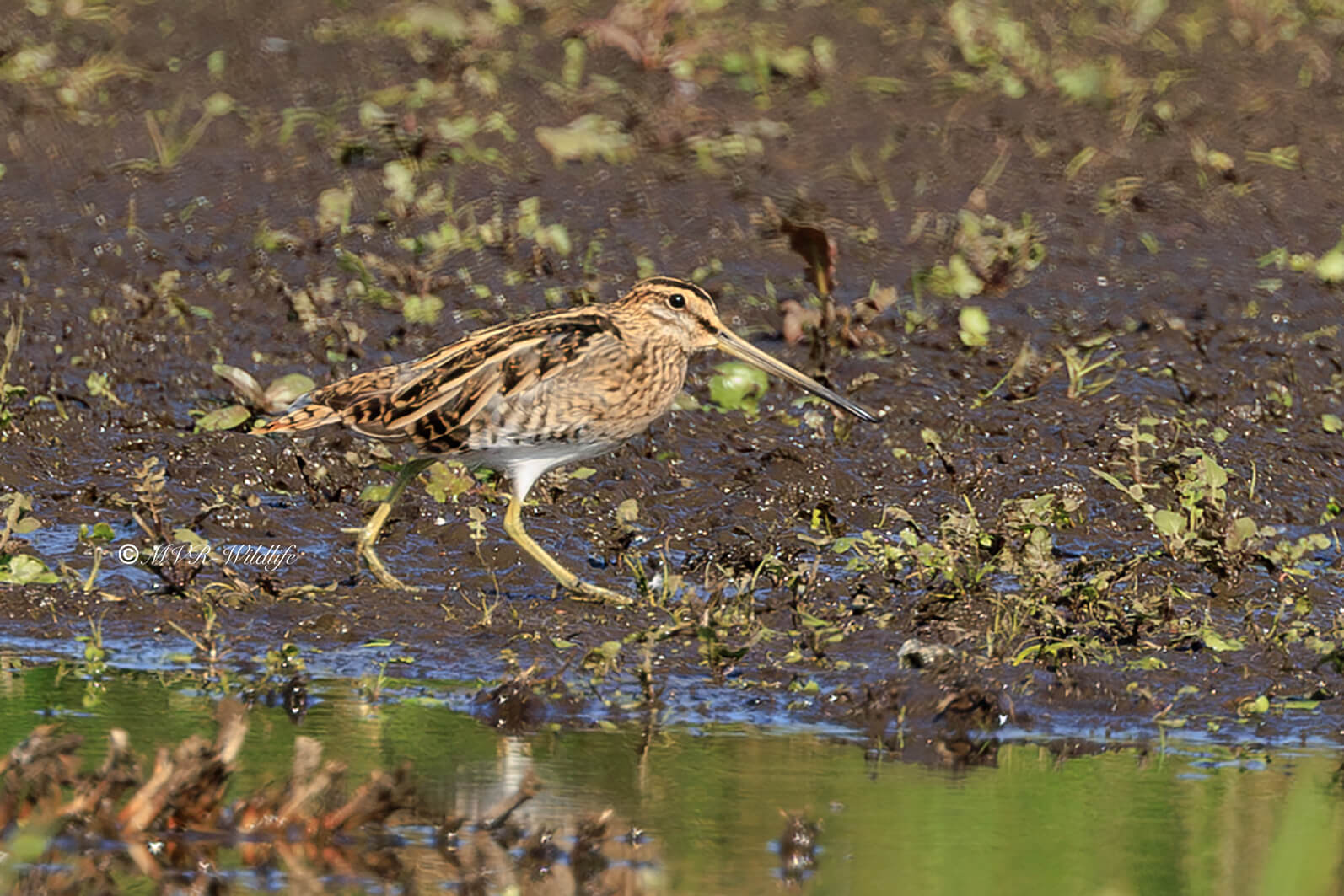
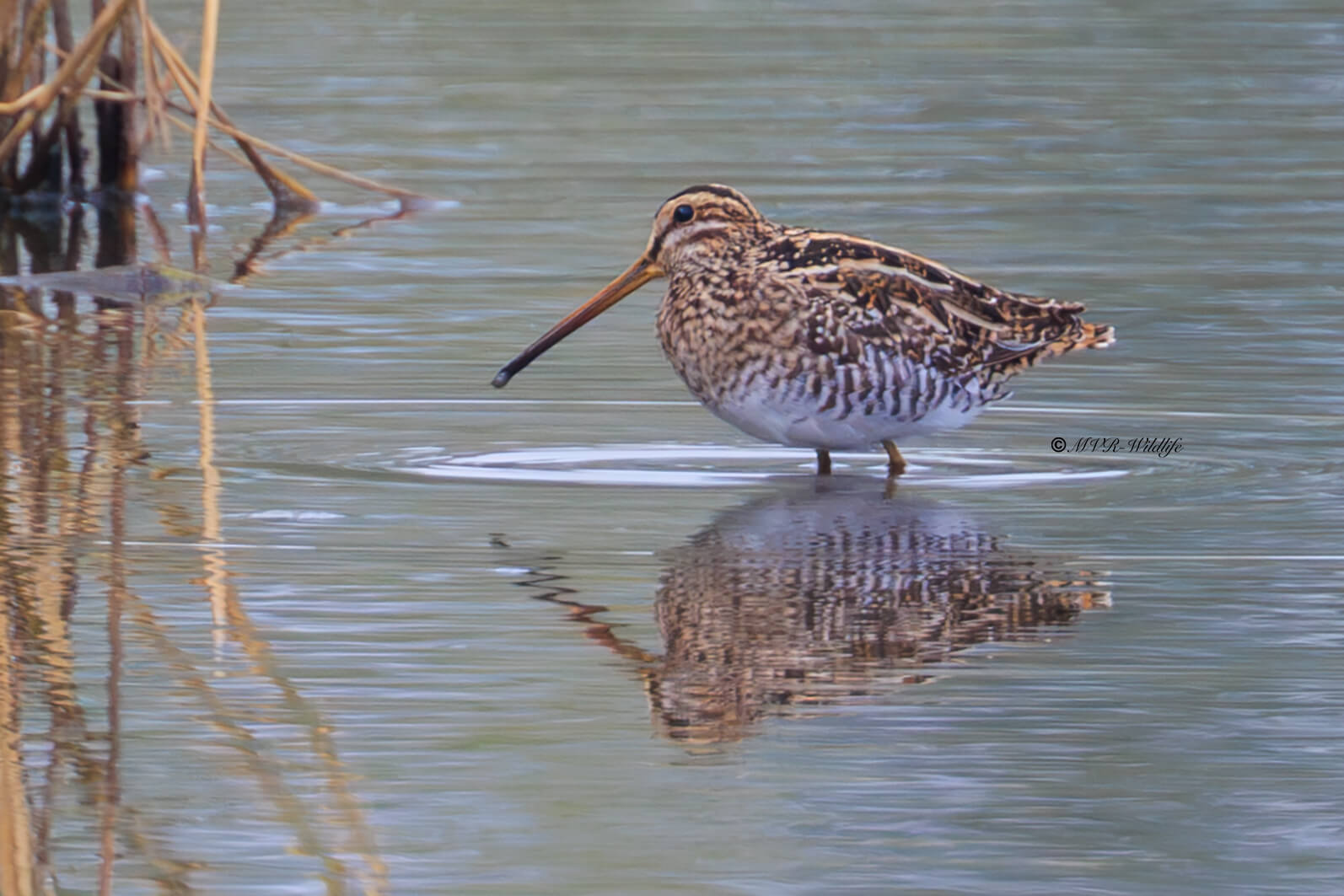
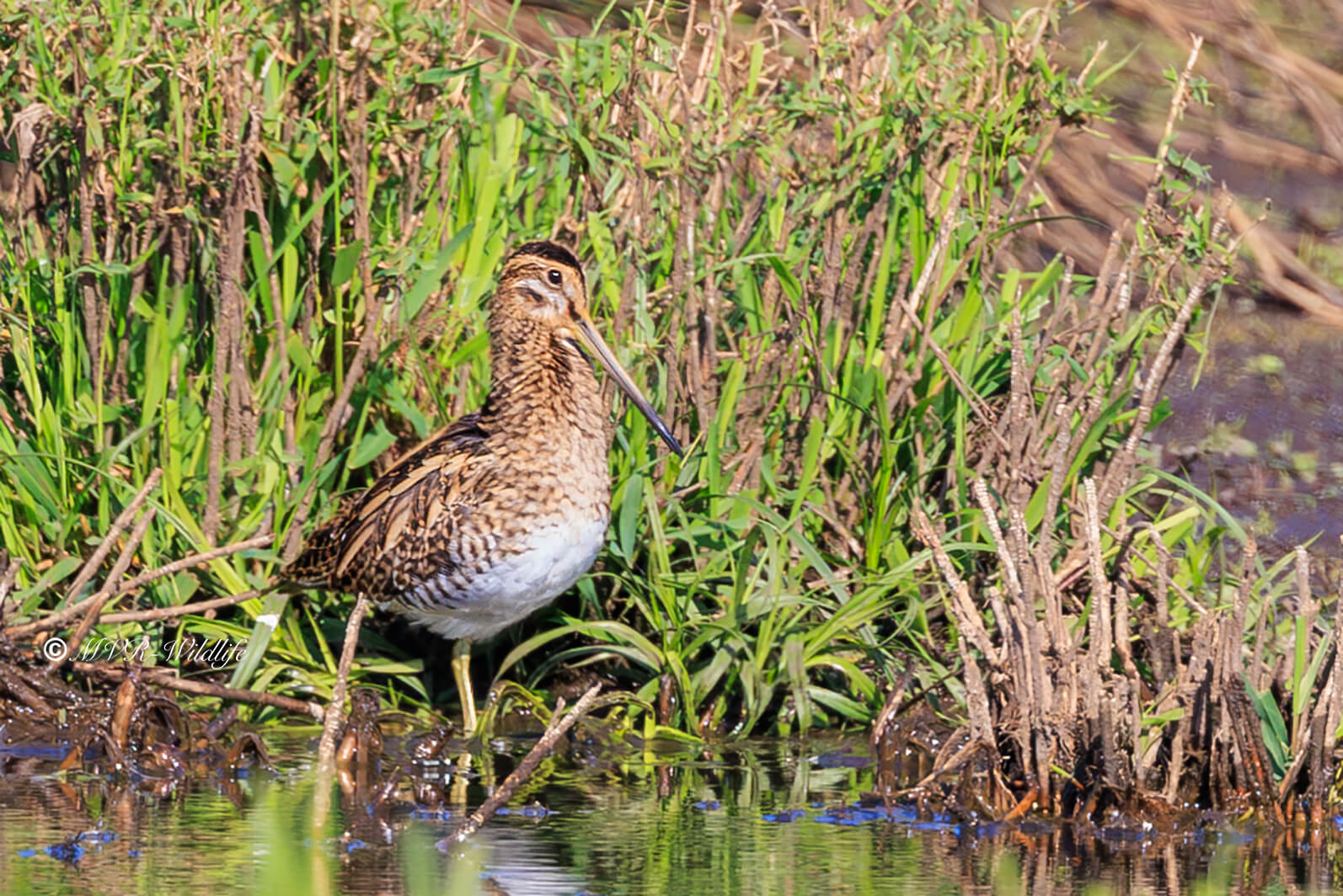
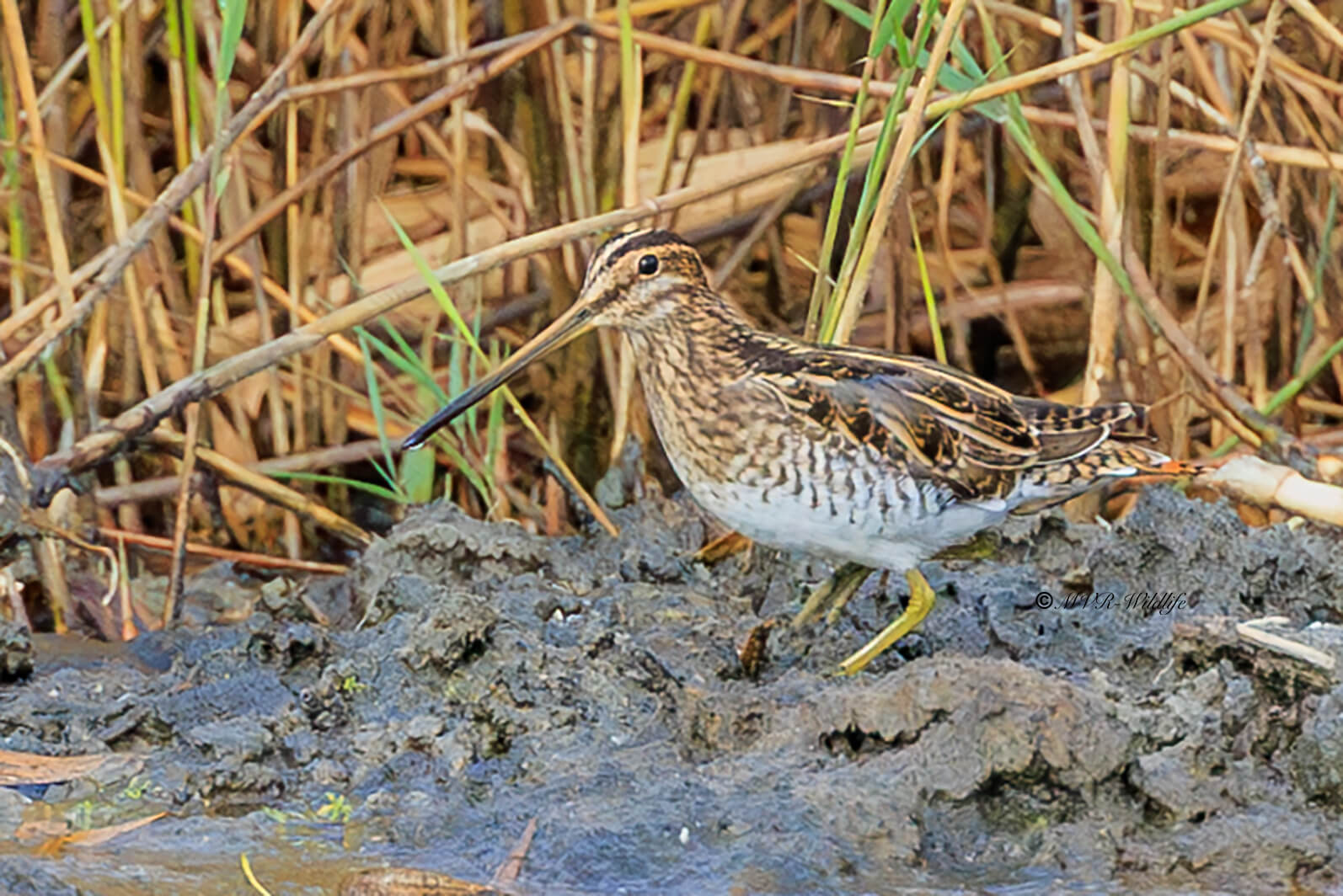
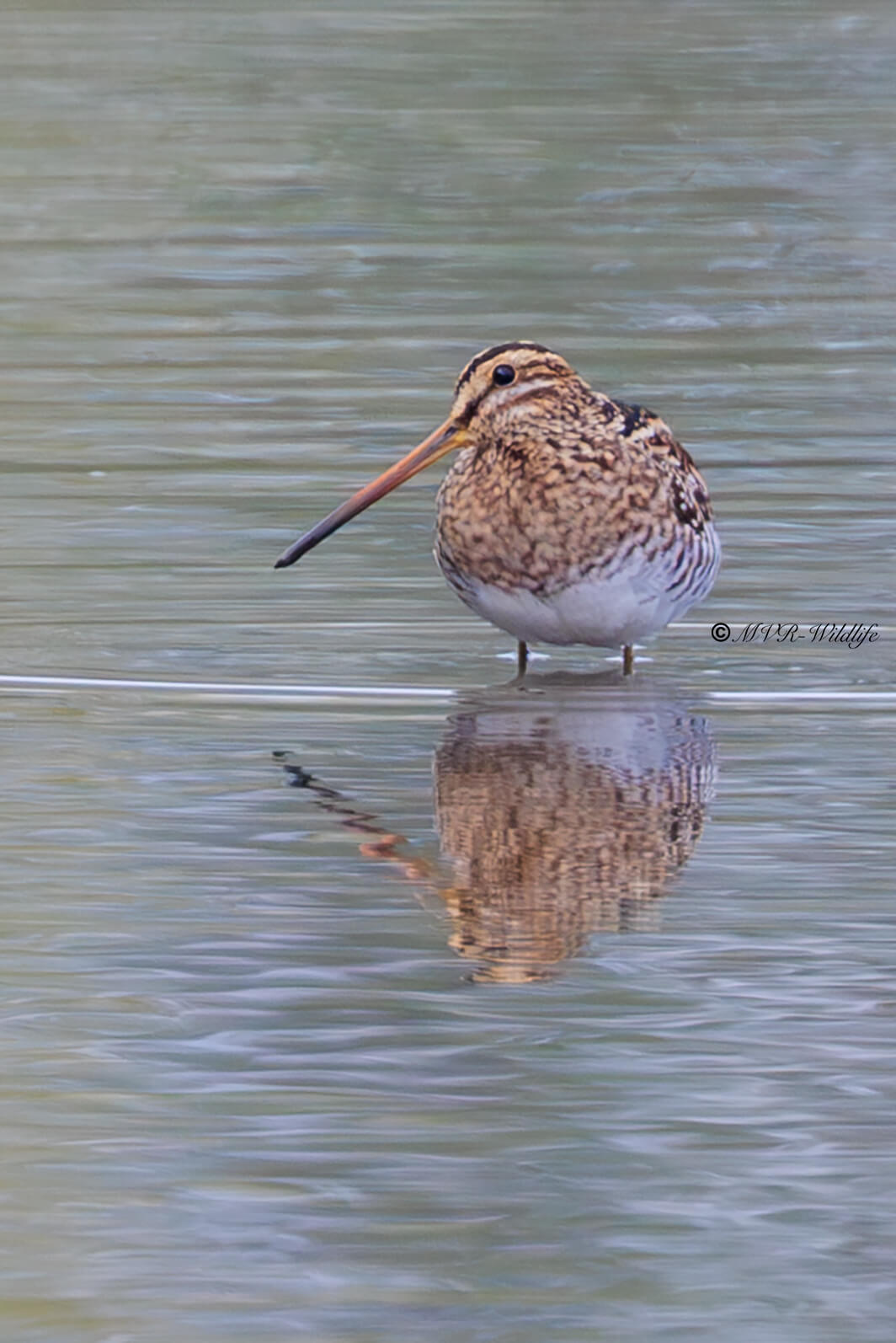
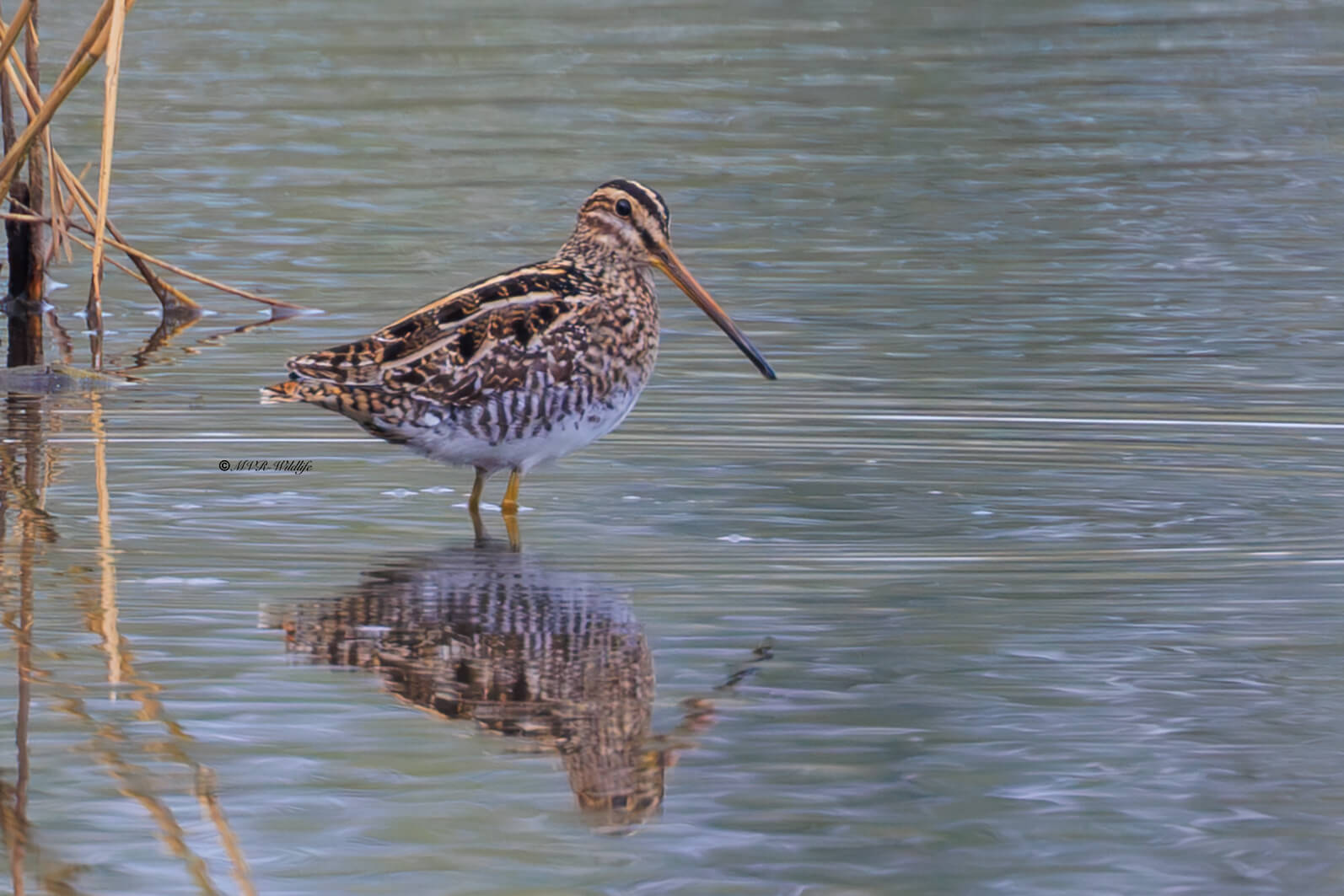
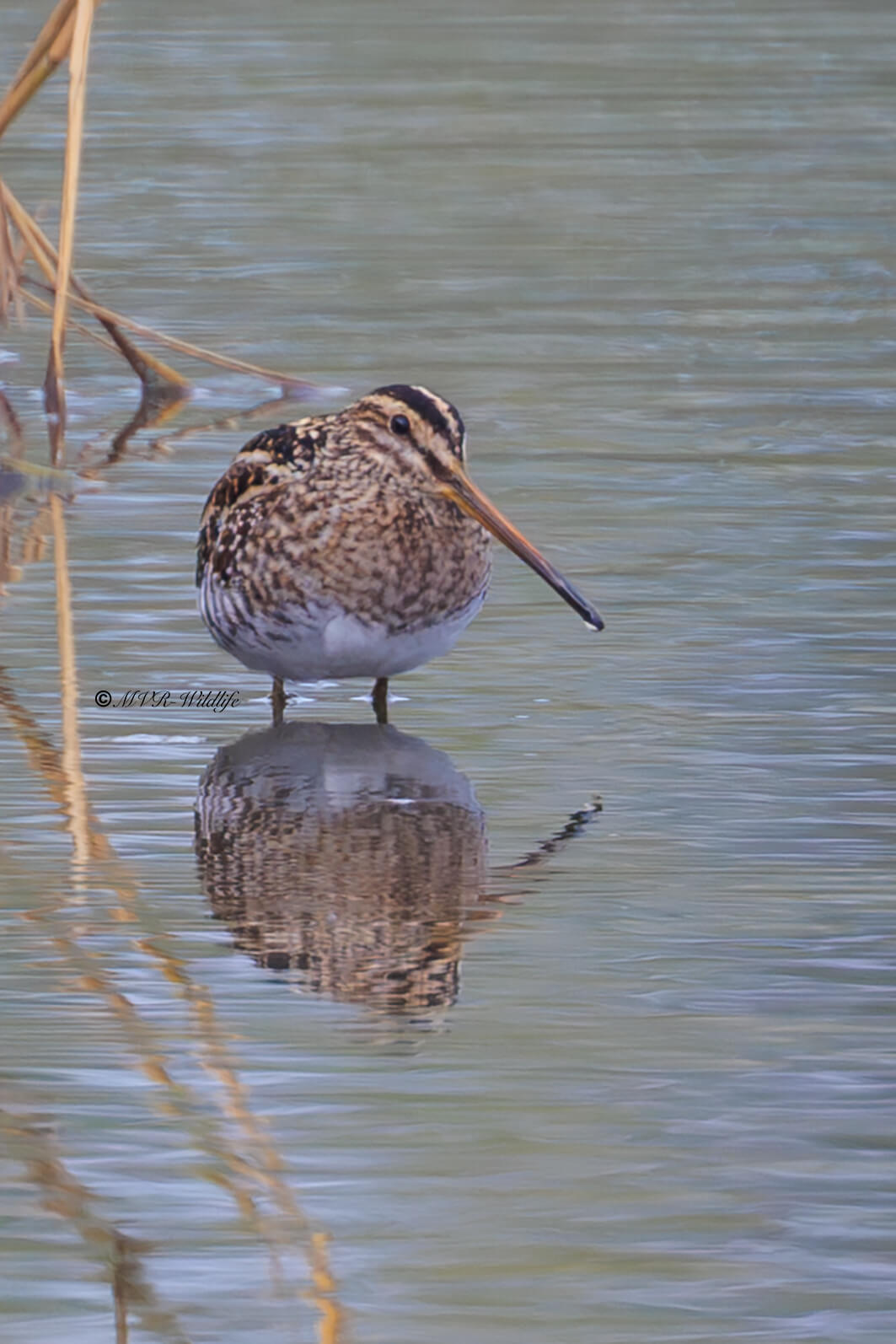
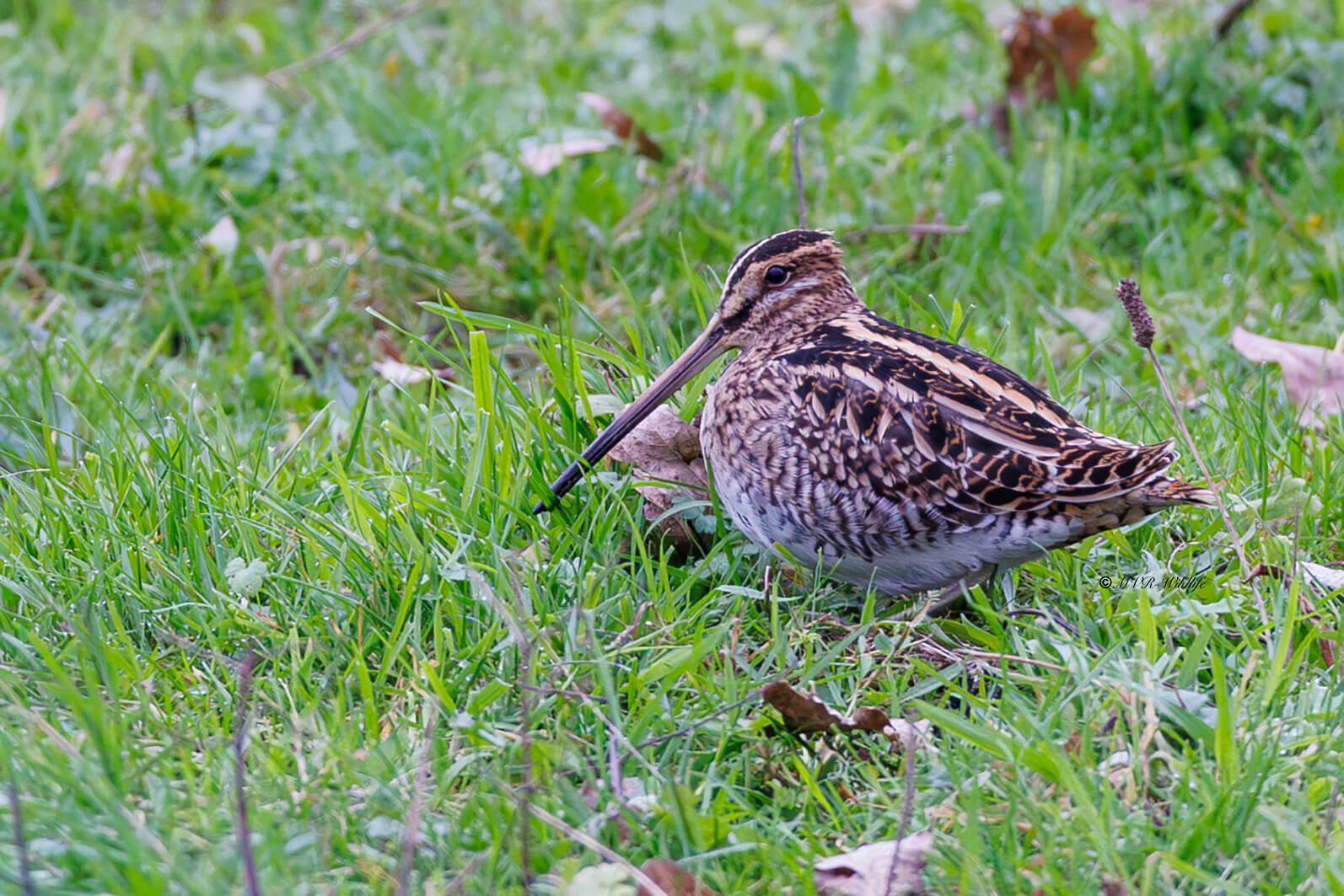
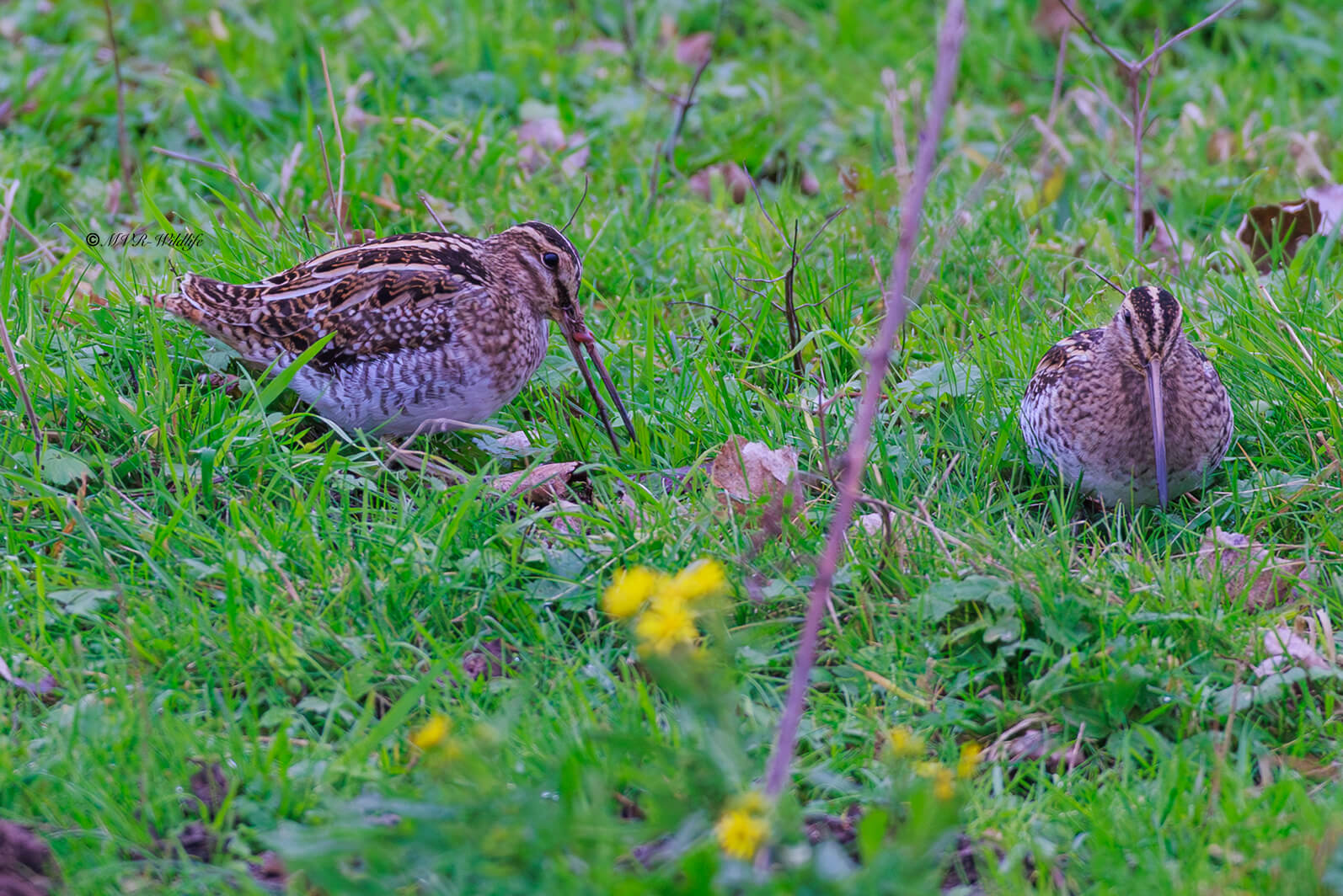
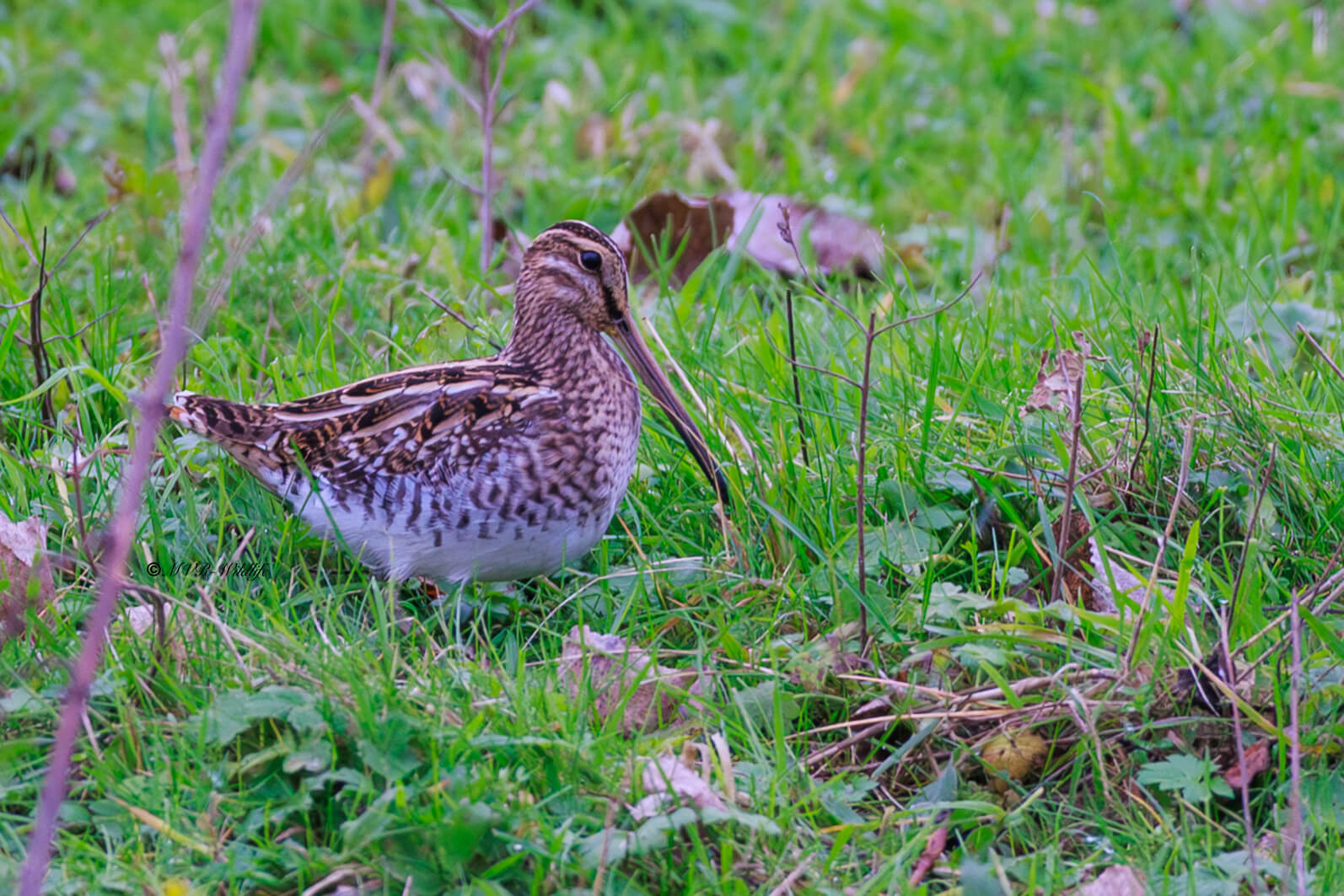
Common Snipe
Habitat: As in the rest of Western Europe, the snipe is dependent on low-lying fens, various types of silted-up areas, sedge and beet fields, moist marshes, boggy heathland, open and moist breeding forests, etc. It reaches its highest density in sedge communities.
Appearance: Widespread summer visitor in Northern and Eastern Europe, elsewhere a winter visitor, although loyal. In Belgium and the Netherlands, it is a scarce to fairly scarce breeding bird, year-round resident, migrant and winter visitor in fairly small to fairly large numbers.
Breeding season: April to July, snipes form new breeding pairs each year. When there is a surplus of females, the polygamous males take two females and defend two territories. From April to June, they perform their spectacular courtship flight above the breeding area. They do this mainly at dawn and dusk and on cloudy days. First, they climb spirally high into the air until only the keenest eye can follow them. They then plunge almost vertically into the depths and pull up again just as quickly. As they plunge downwards, they make a remarkable sound lasting 1 to 2 seconds, reminiscent of a goat bleating. This is caused by the fluttering of their spread tail feathers in the airflow. Every 20 to 30 seconds, the bird repeats the dive and the sound of its tail feathers, sometimes for half an hour or more at a time. As an extra, it can also perform an acrobatic flight with full and half rolls and produce a series of sounds like “tuka… tuka…”.
Characteristics: Length 23-28 cm, wingspan 39-47 cm, weight 80-140 grams, age 18 years.
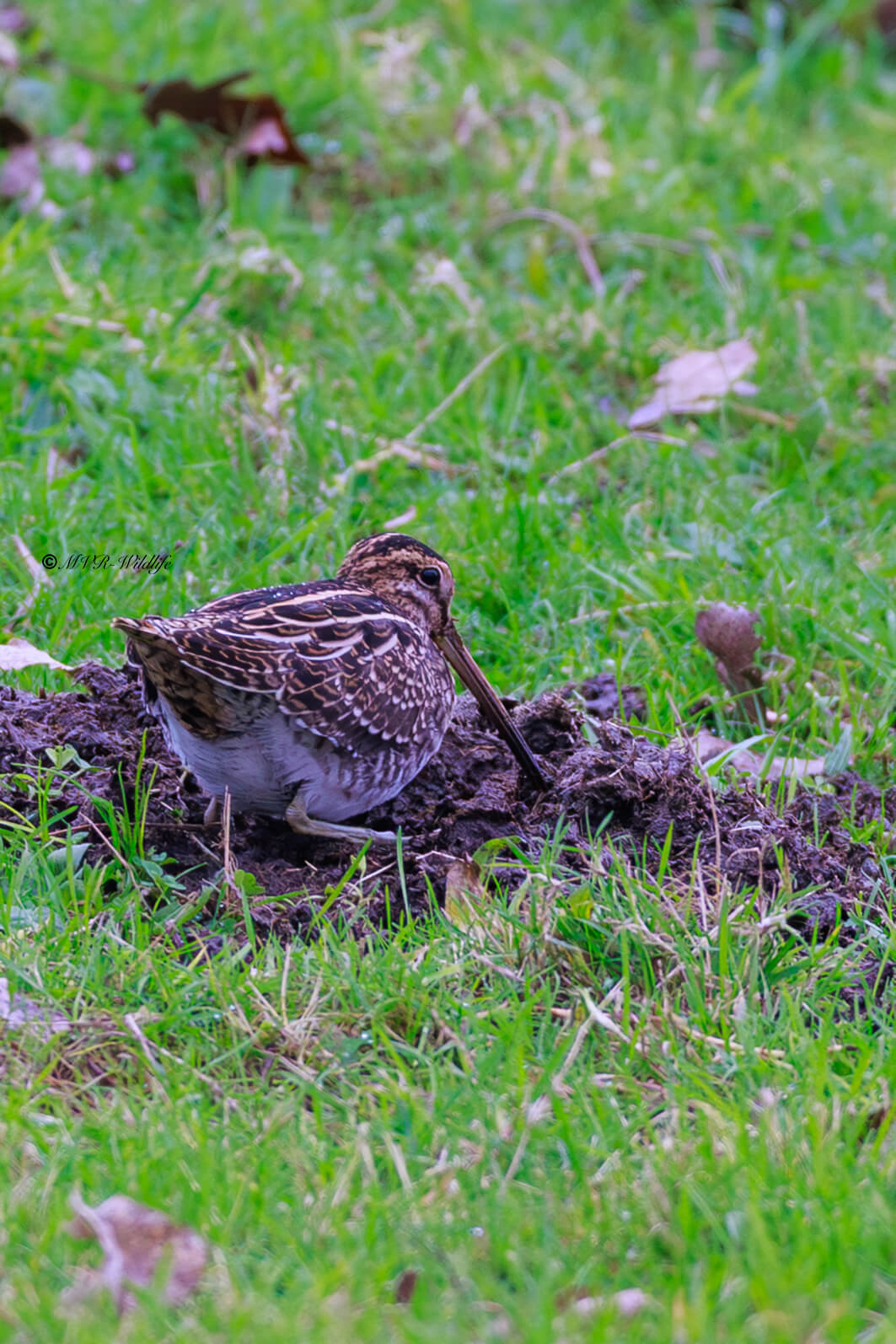
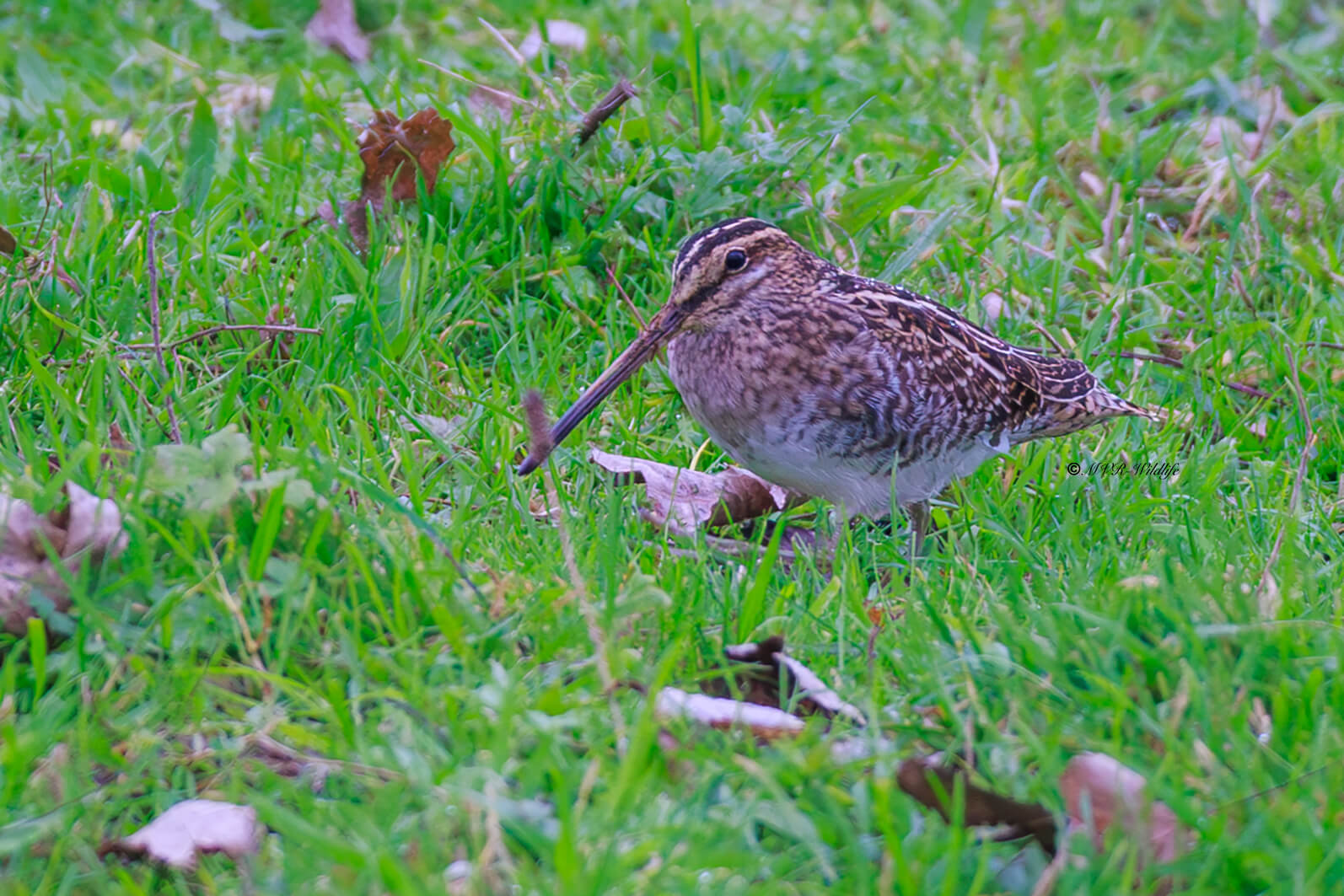
Food: Snipe peck rapidly at the mud and find food at a depth of up to 6 cm using their navel. They then open the tip of their beak and grab the worm. They can eat without pulling their beak out of the ground. They catch finger-length worms, leeches, snails and insects. They also eat parts of plants, such as roots, stems and seeds.