Michel van Royen


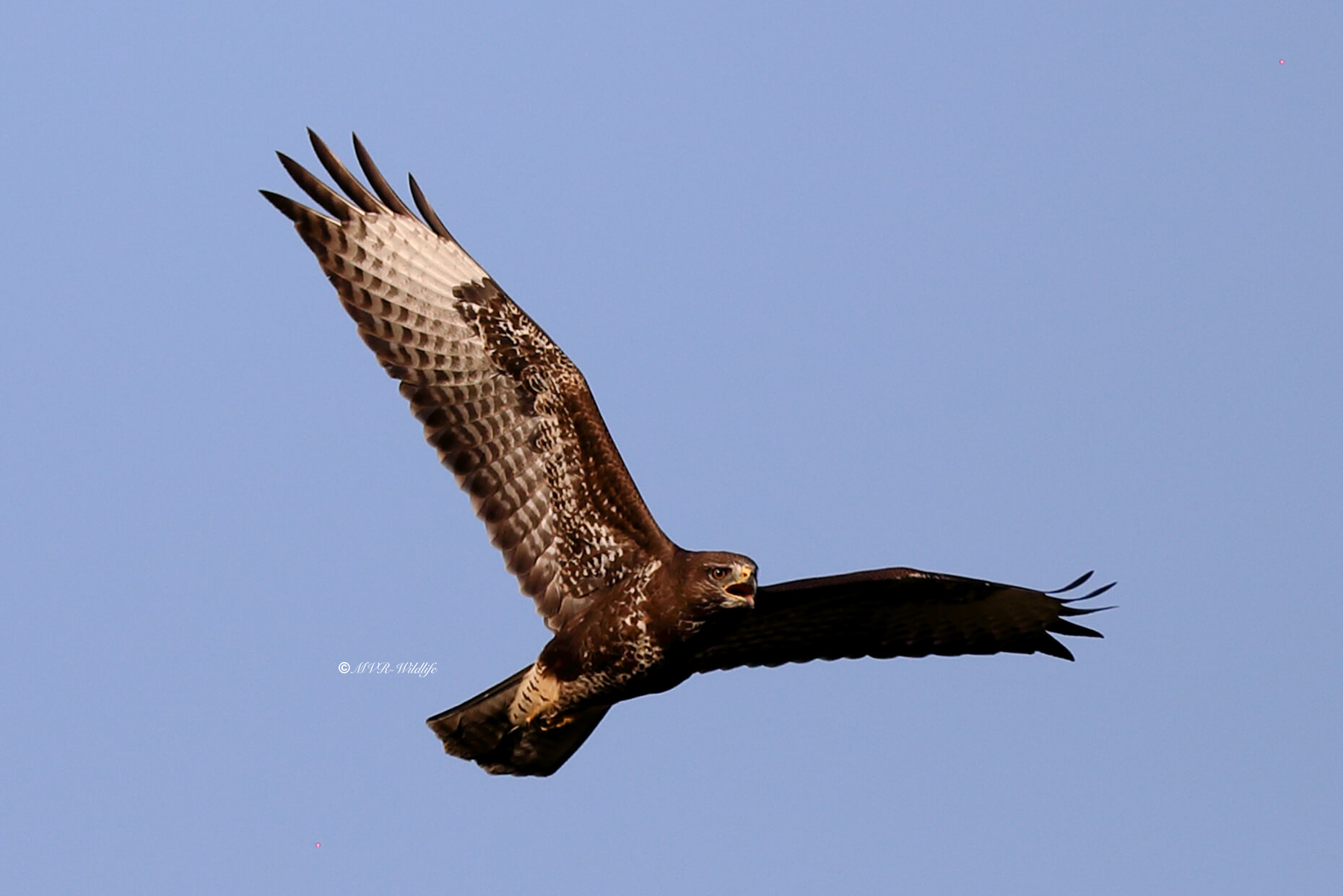
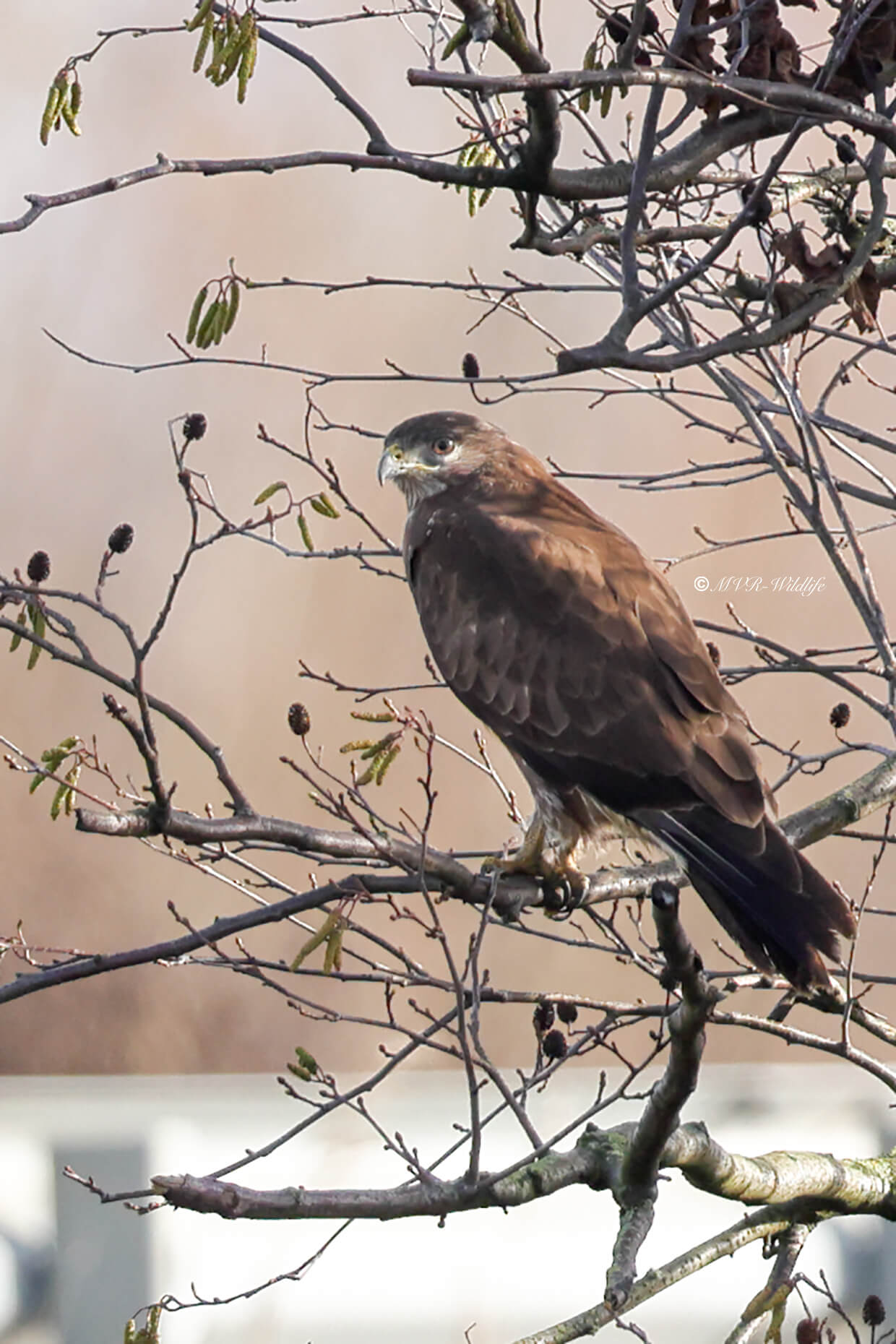
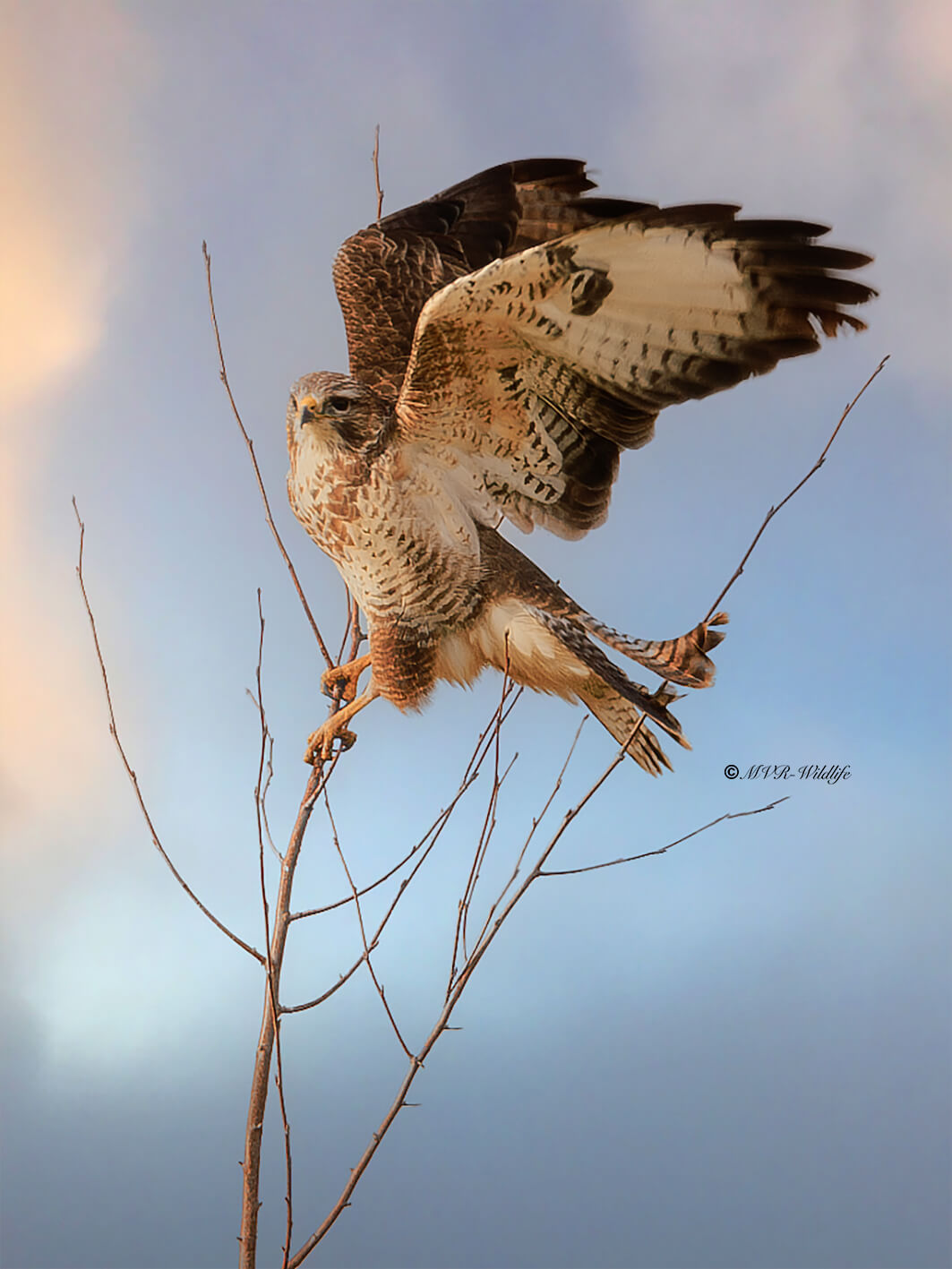
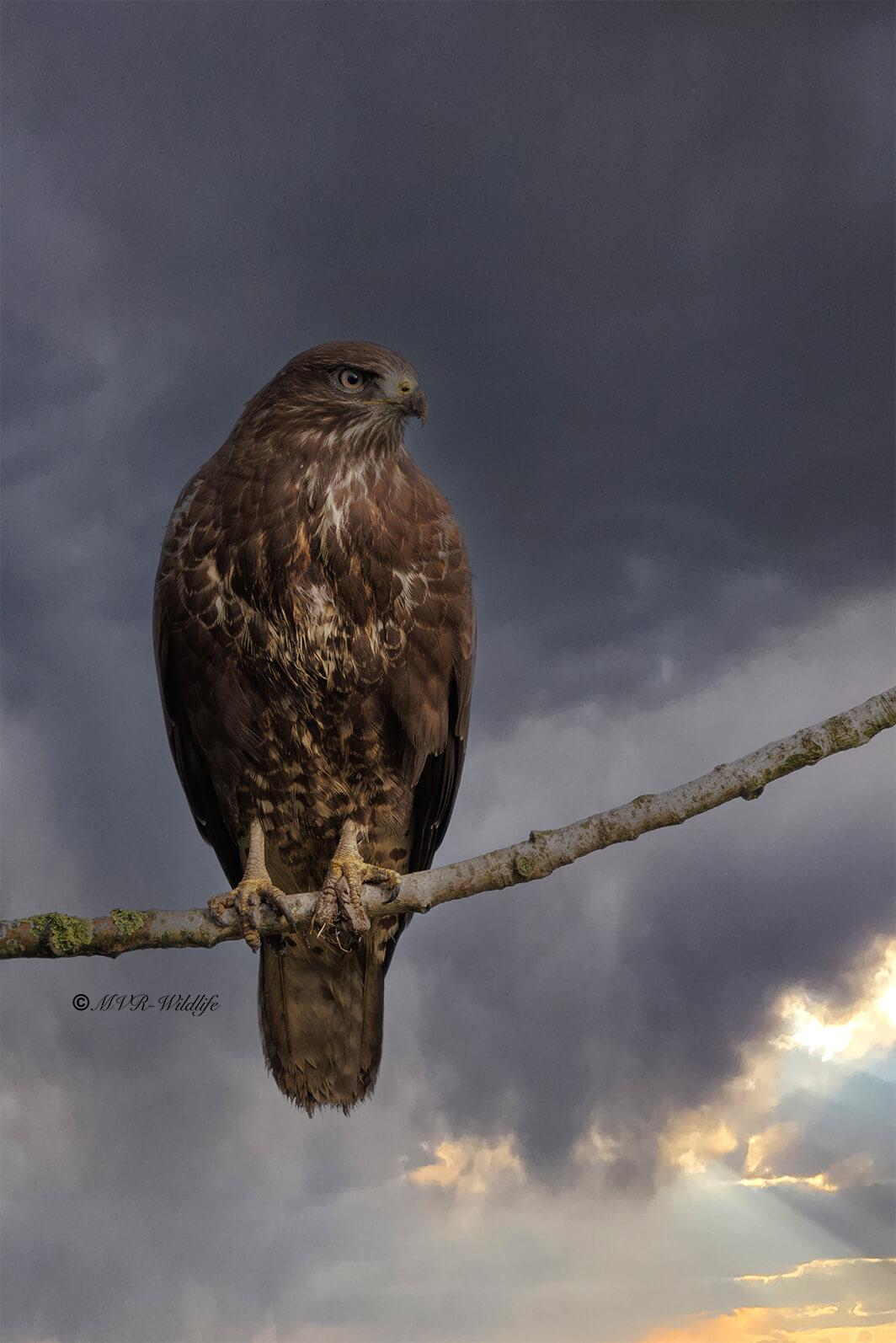
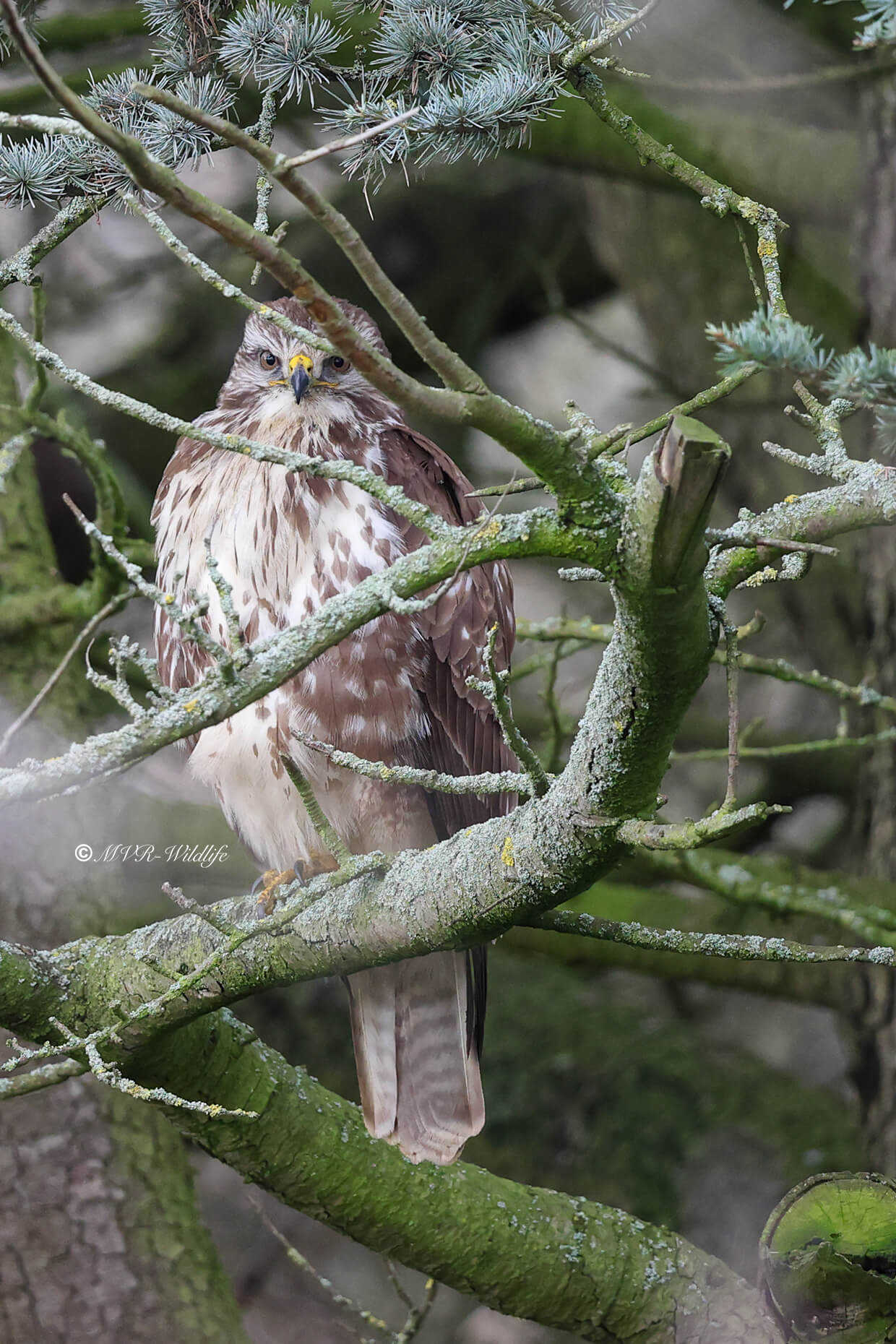
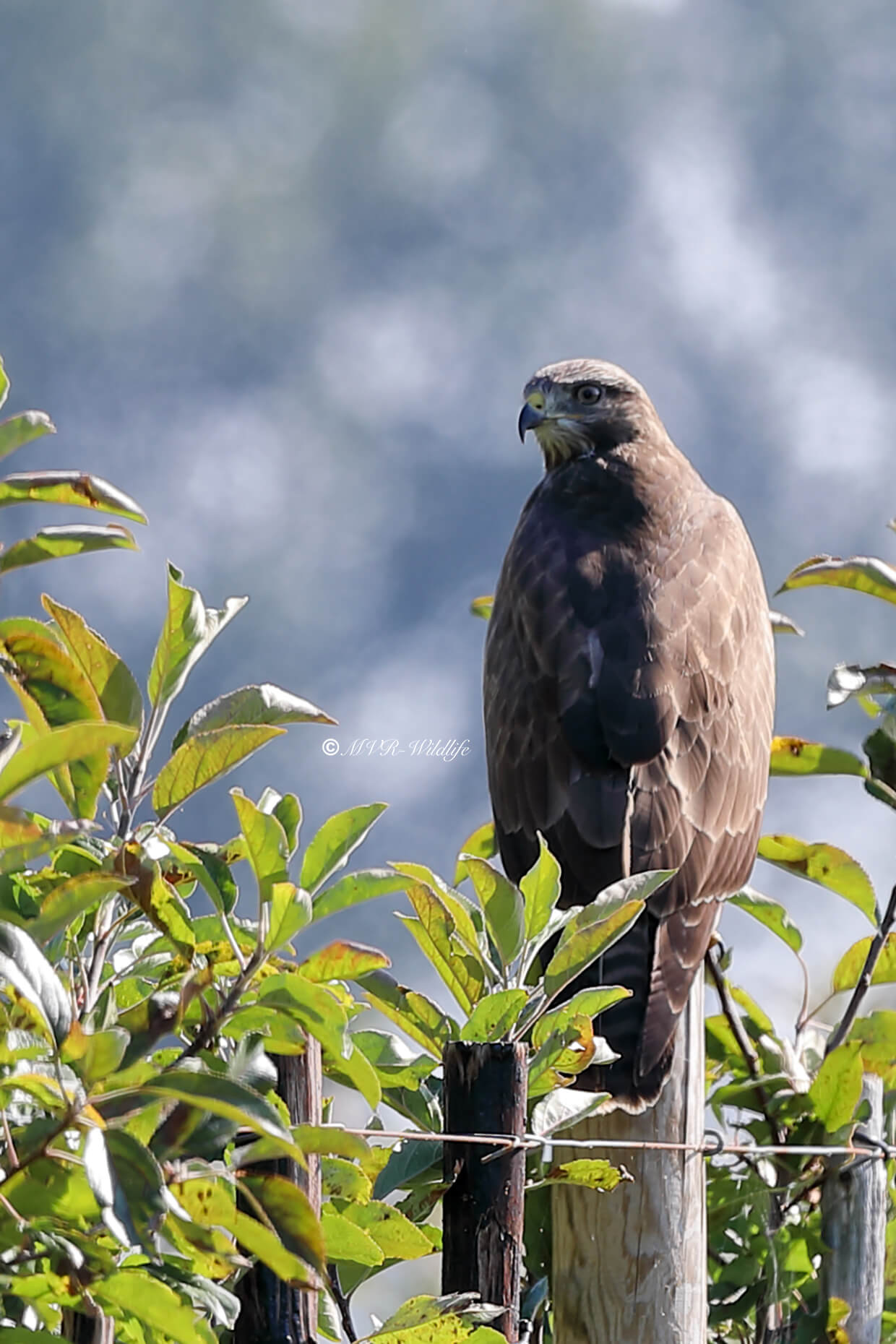
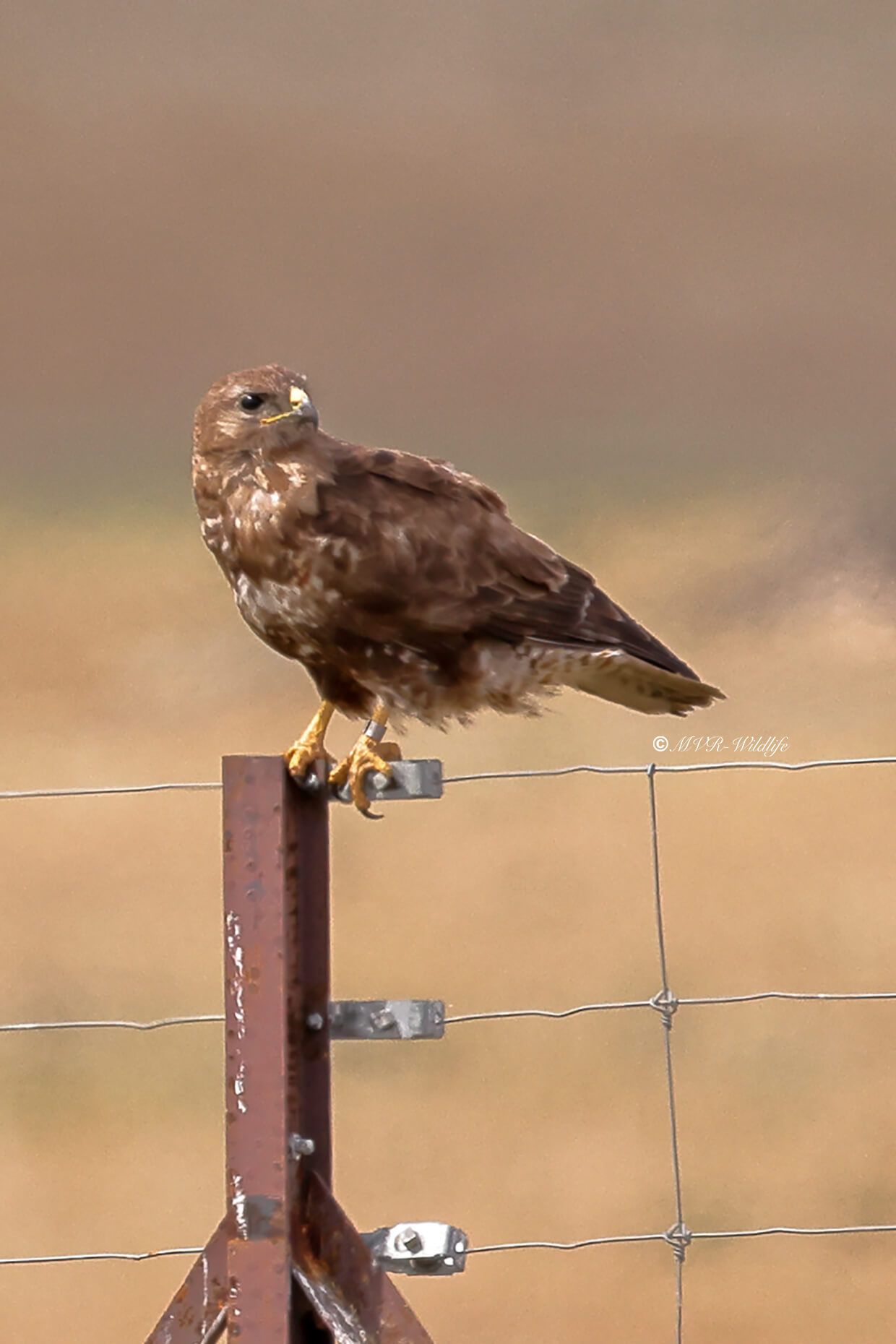
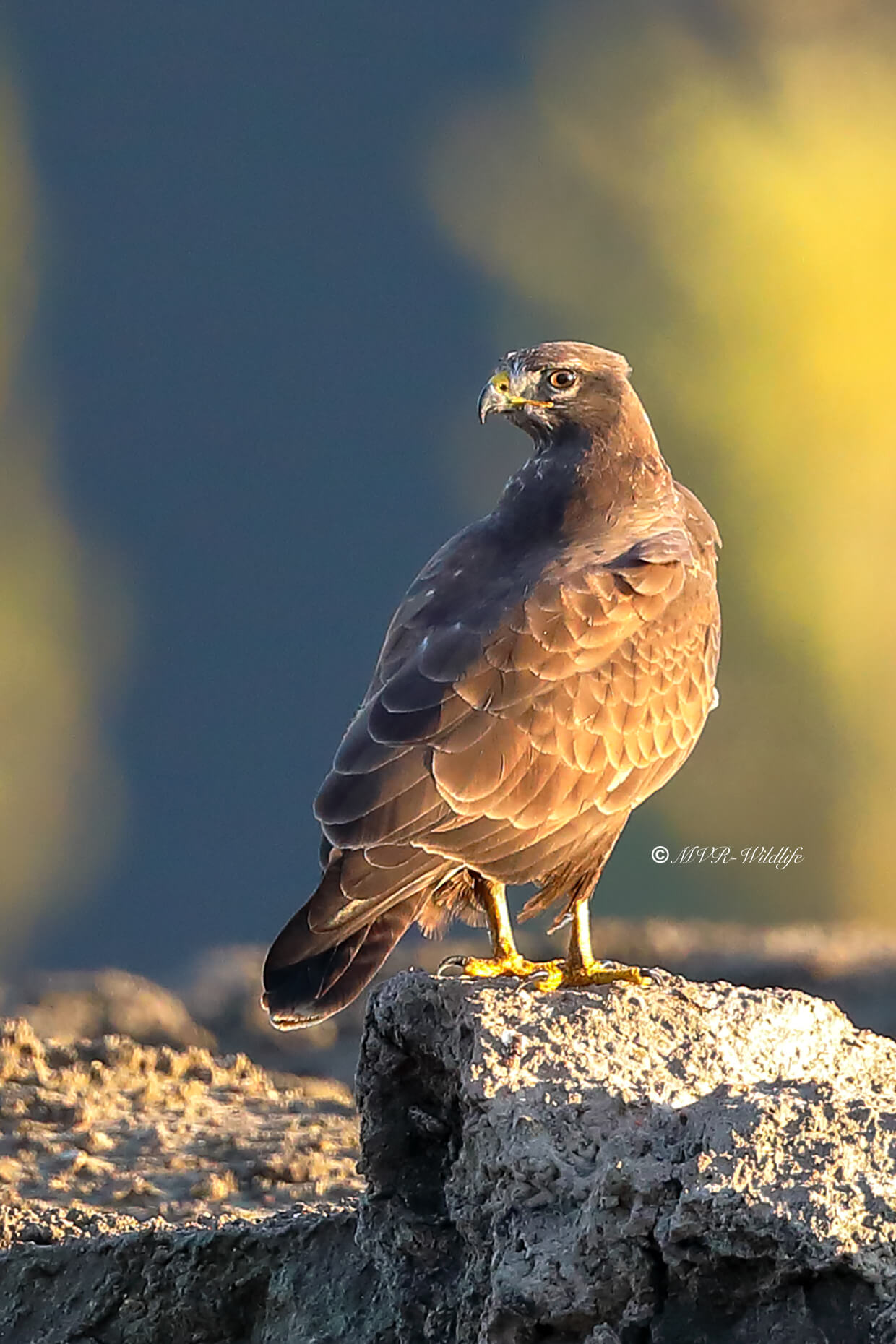
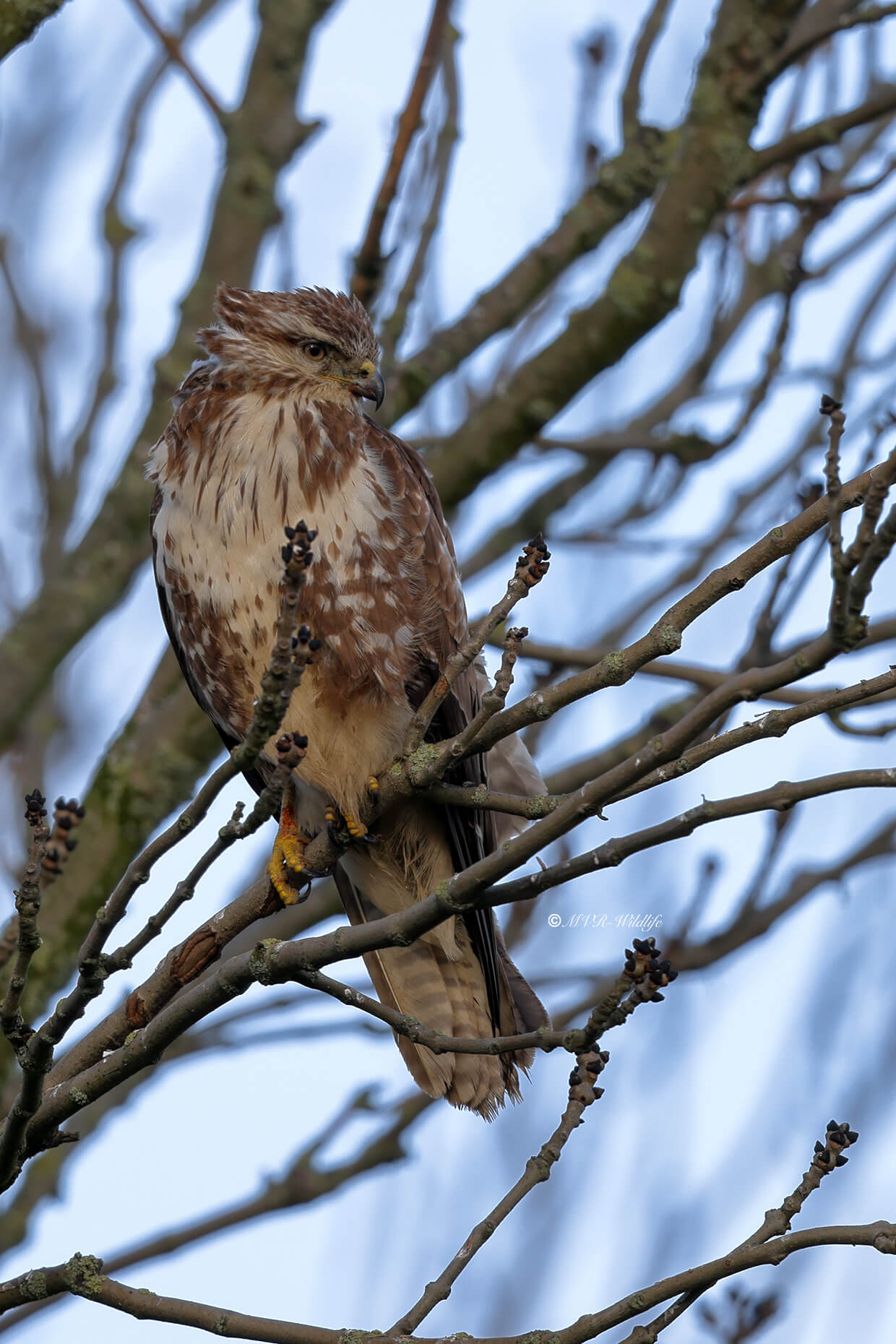
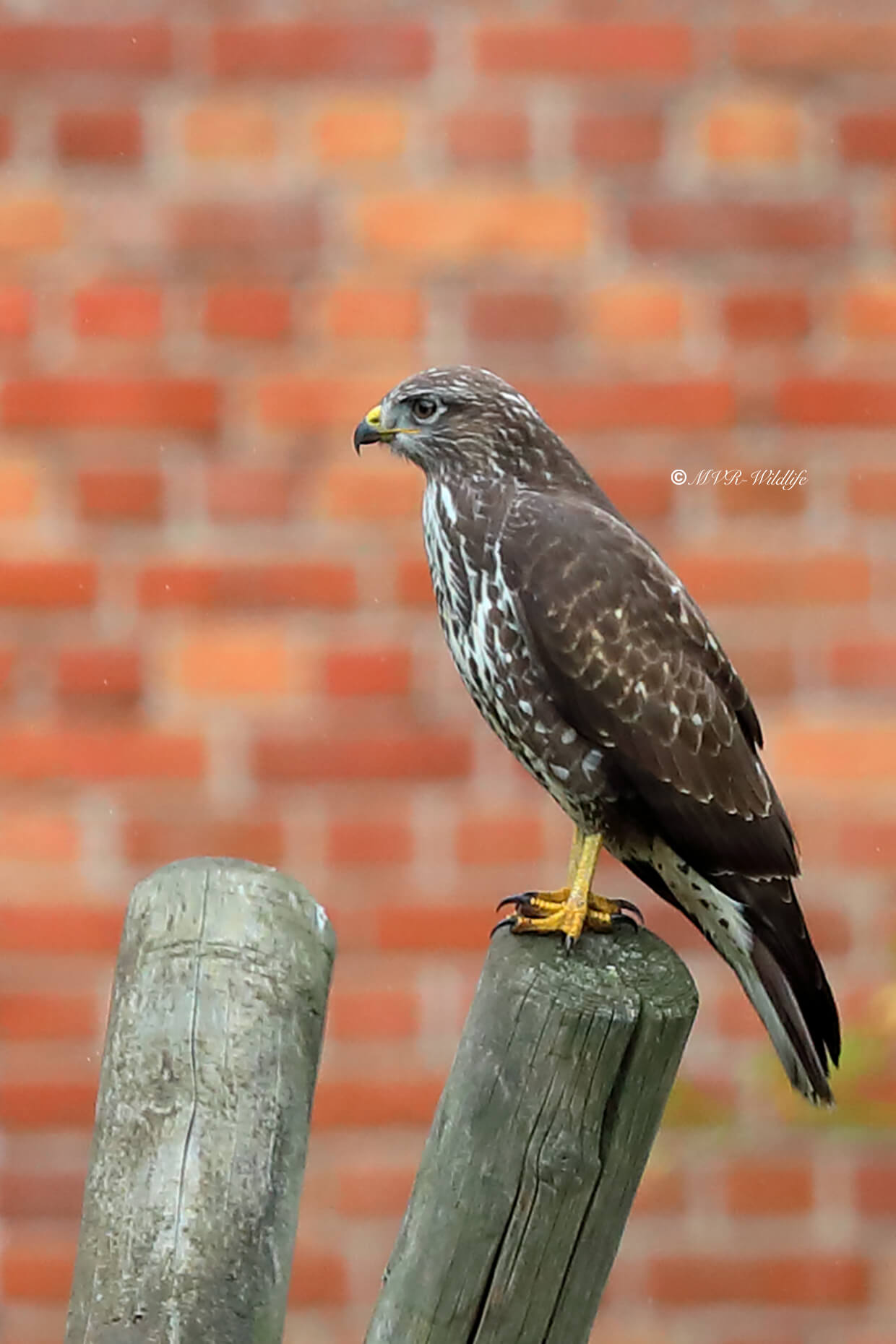
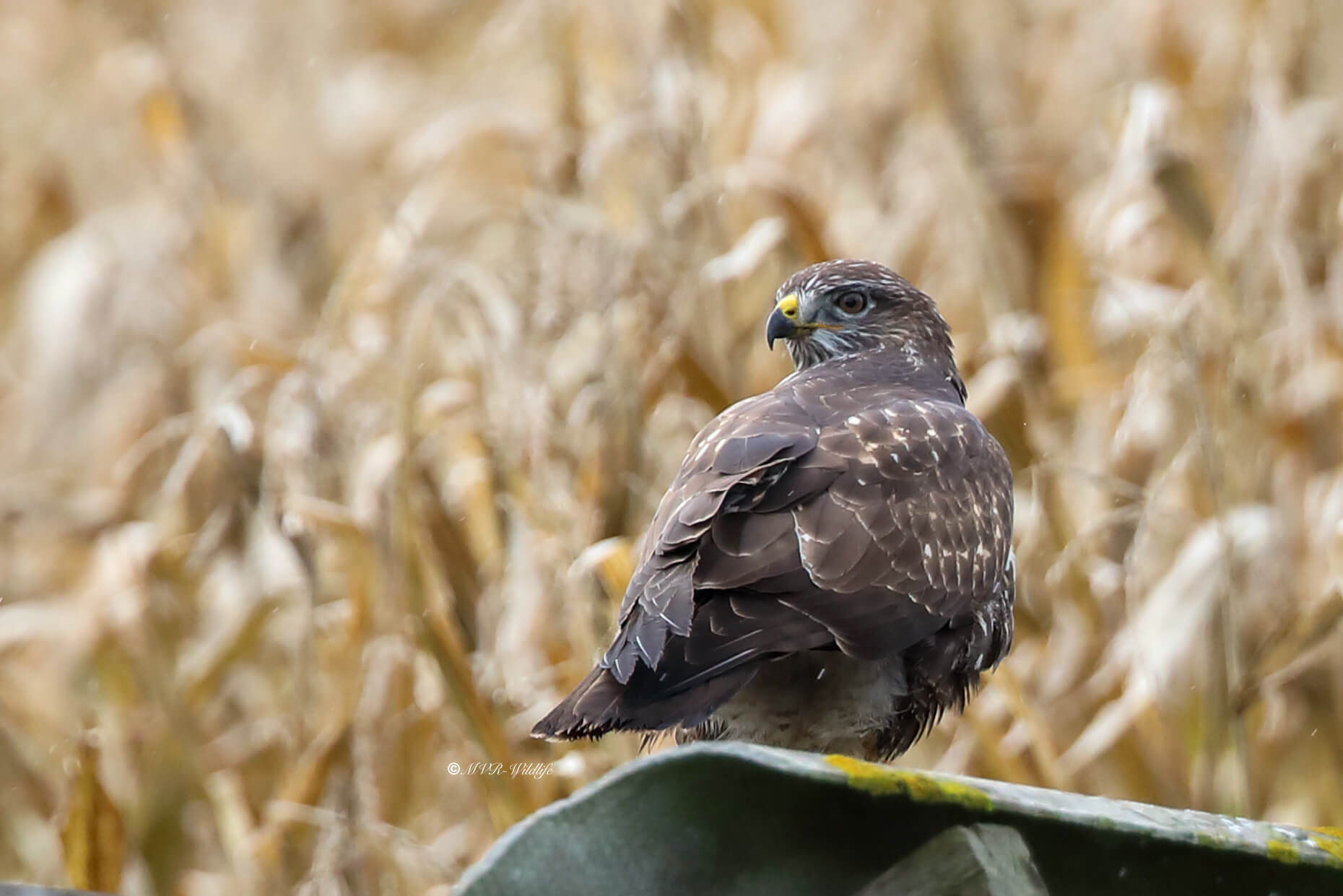
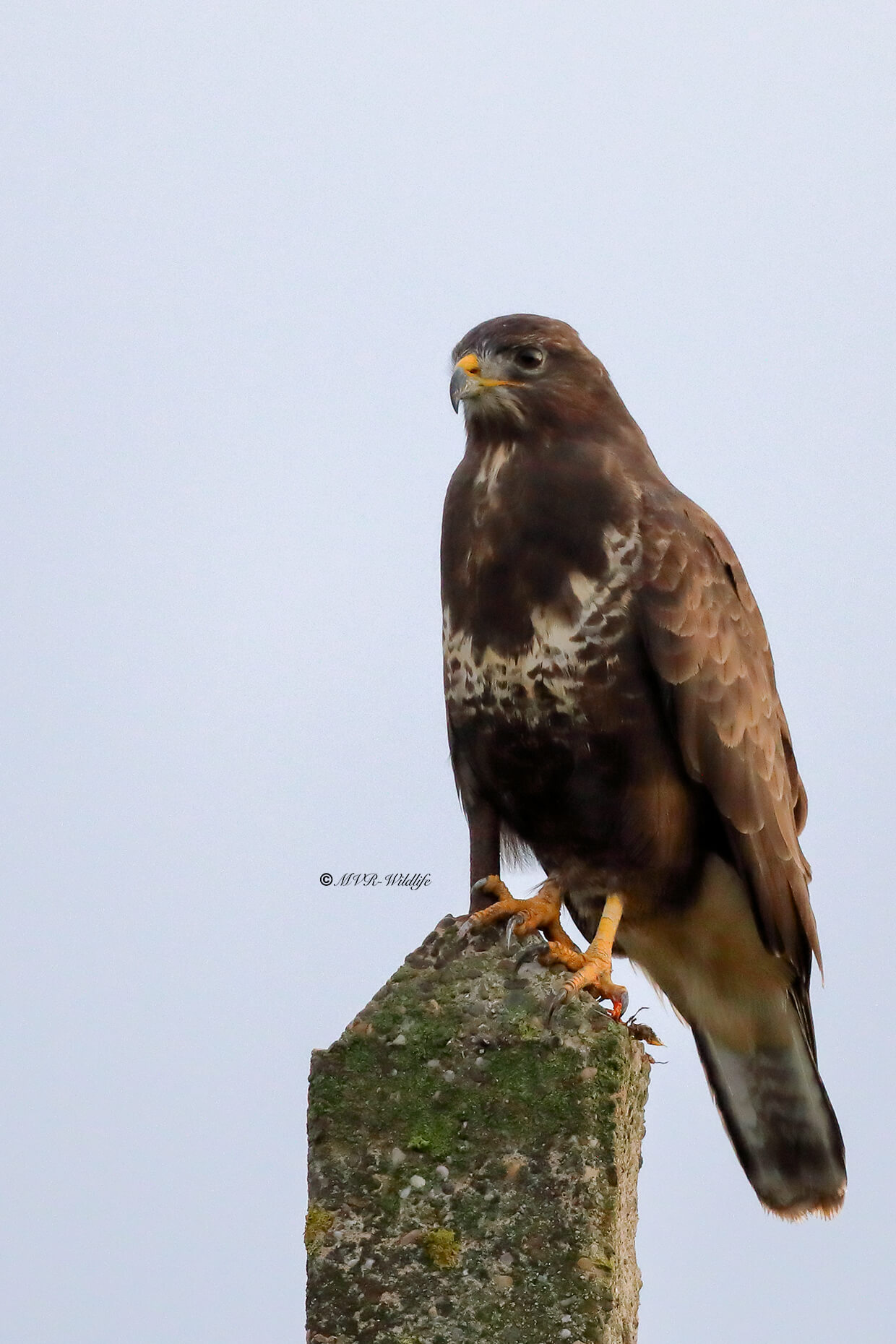
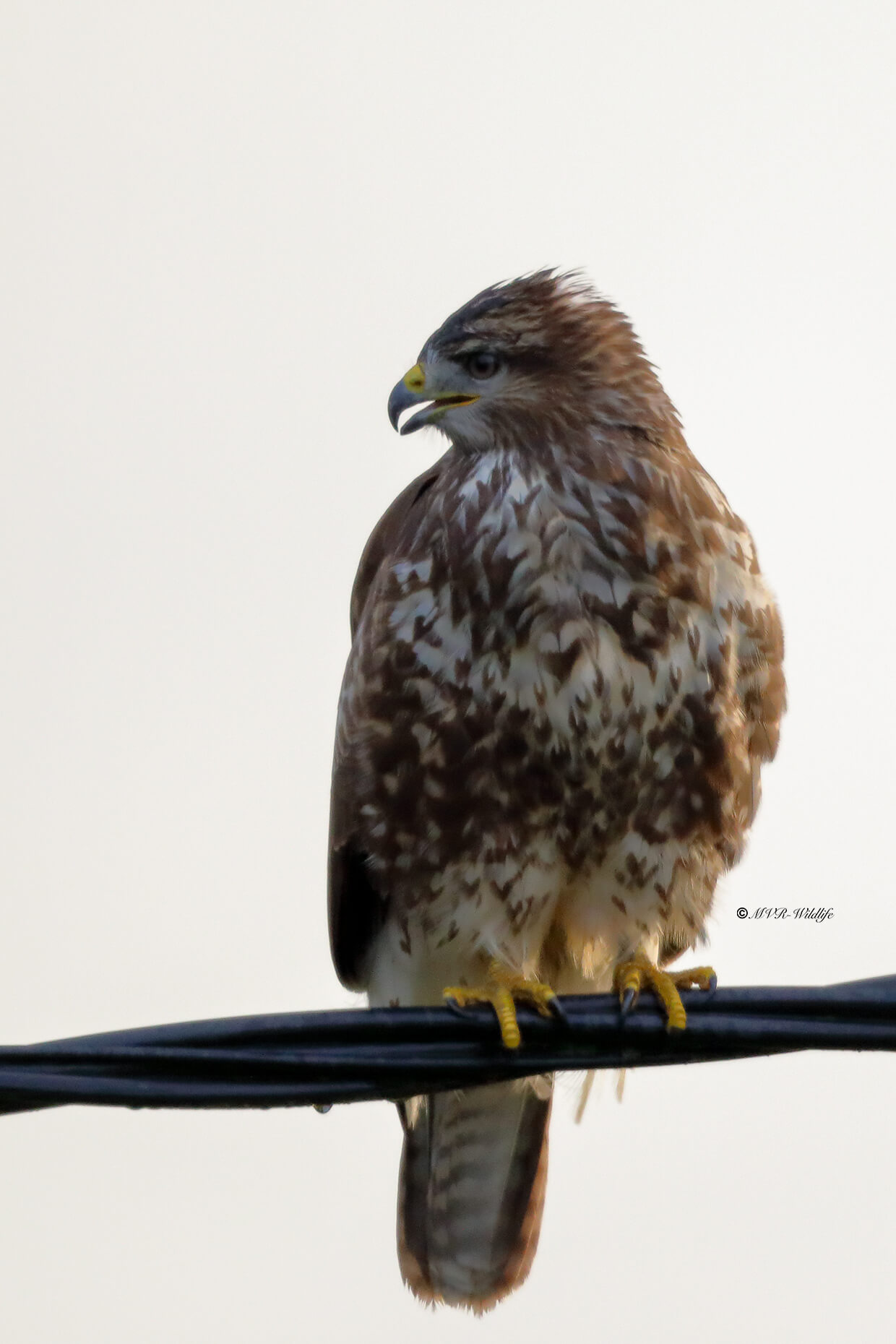
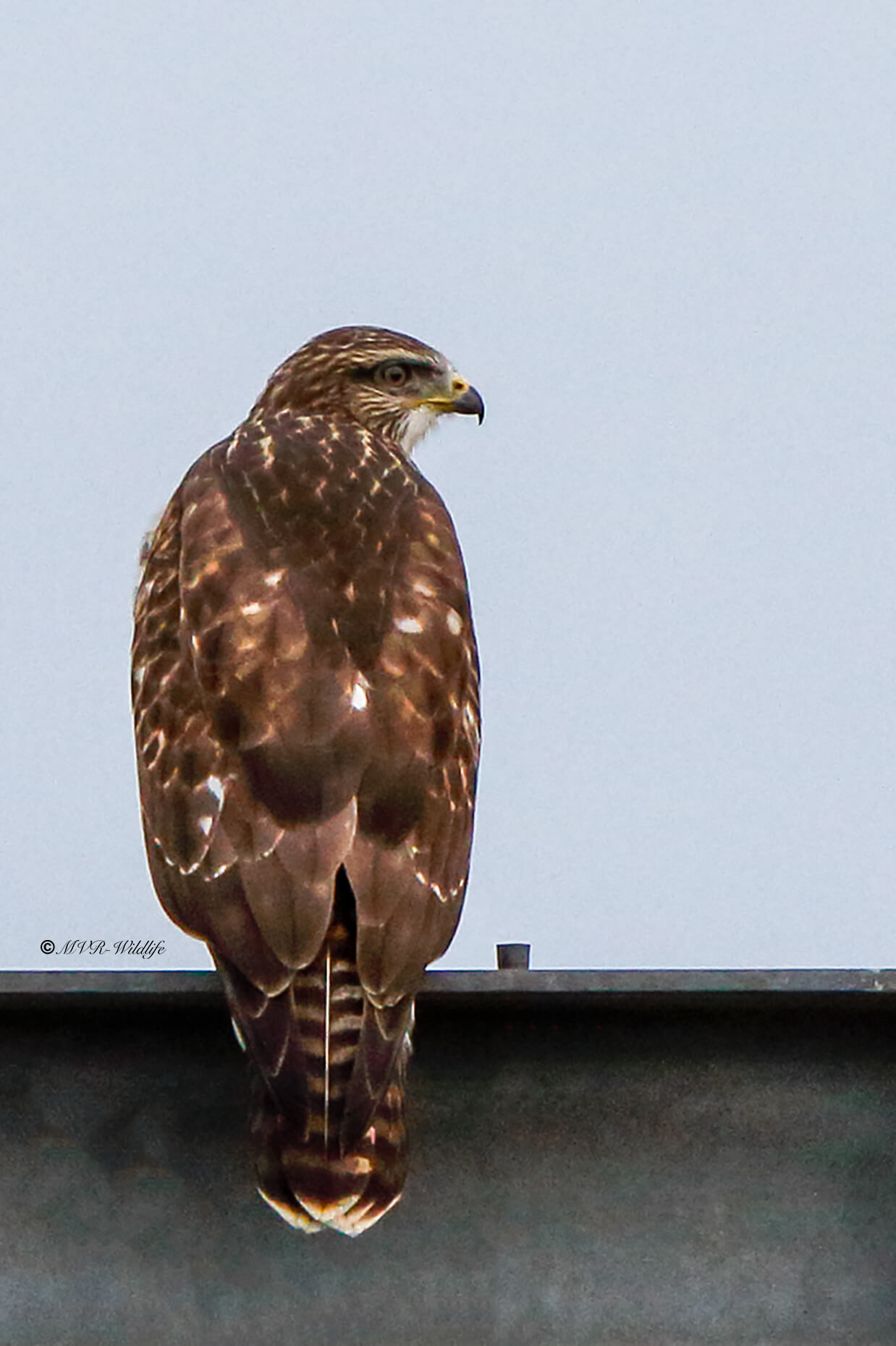
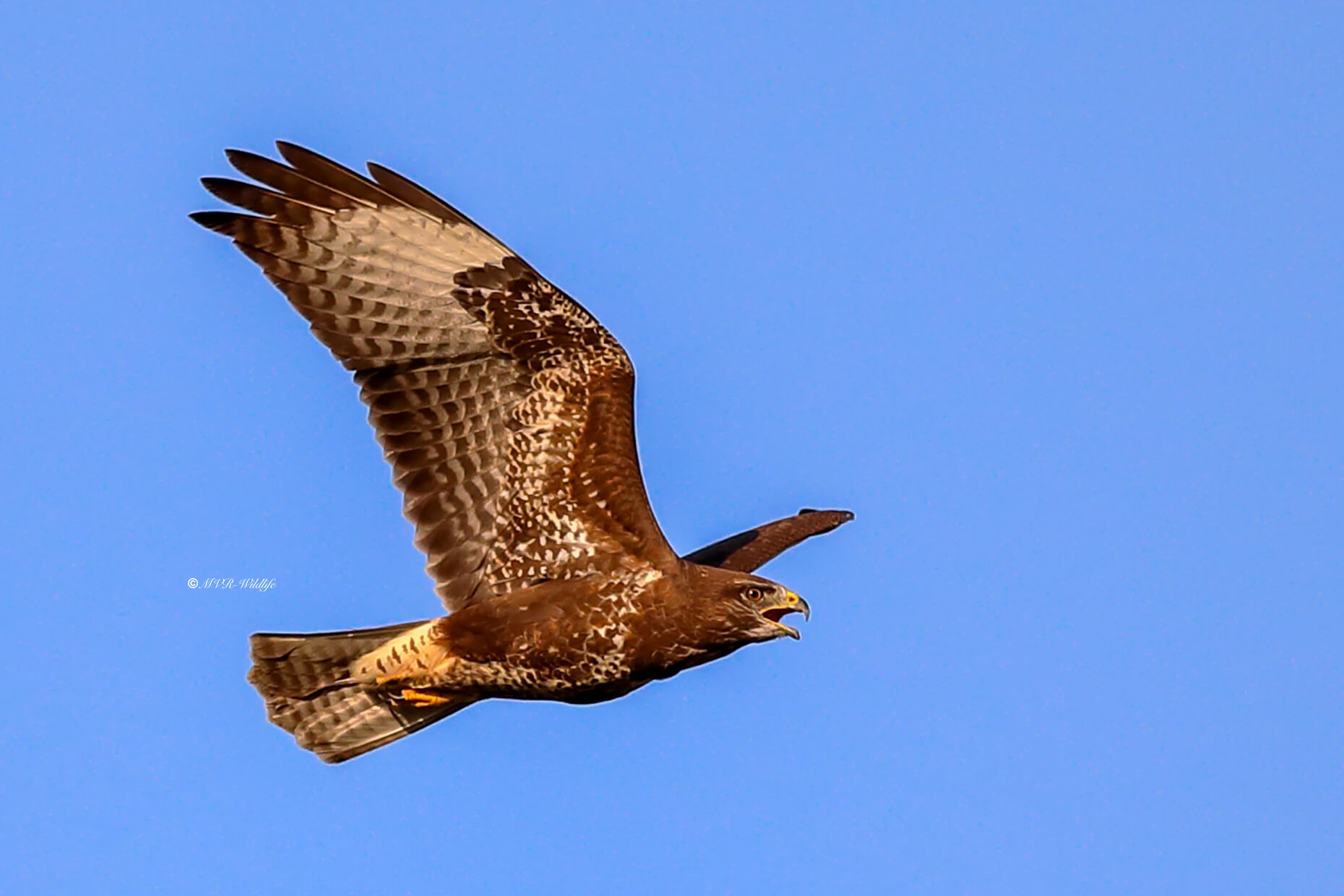
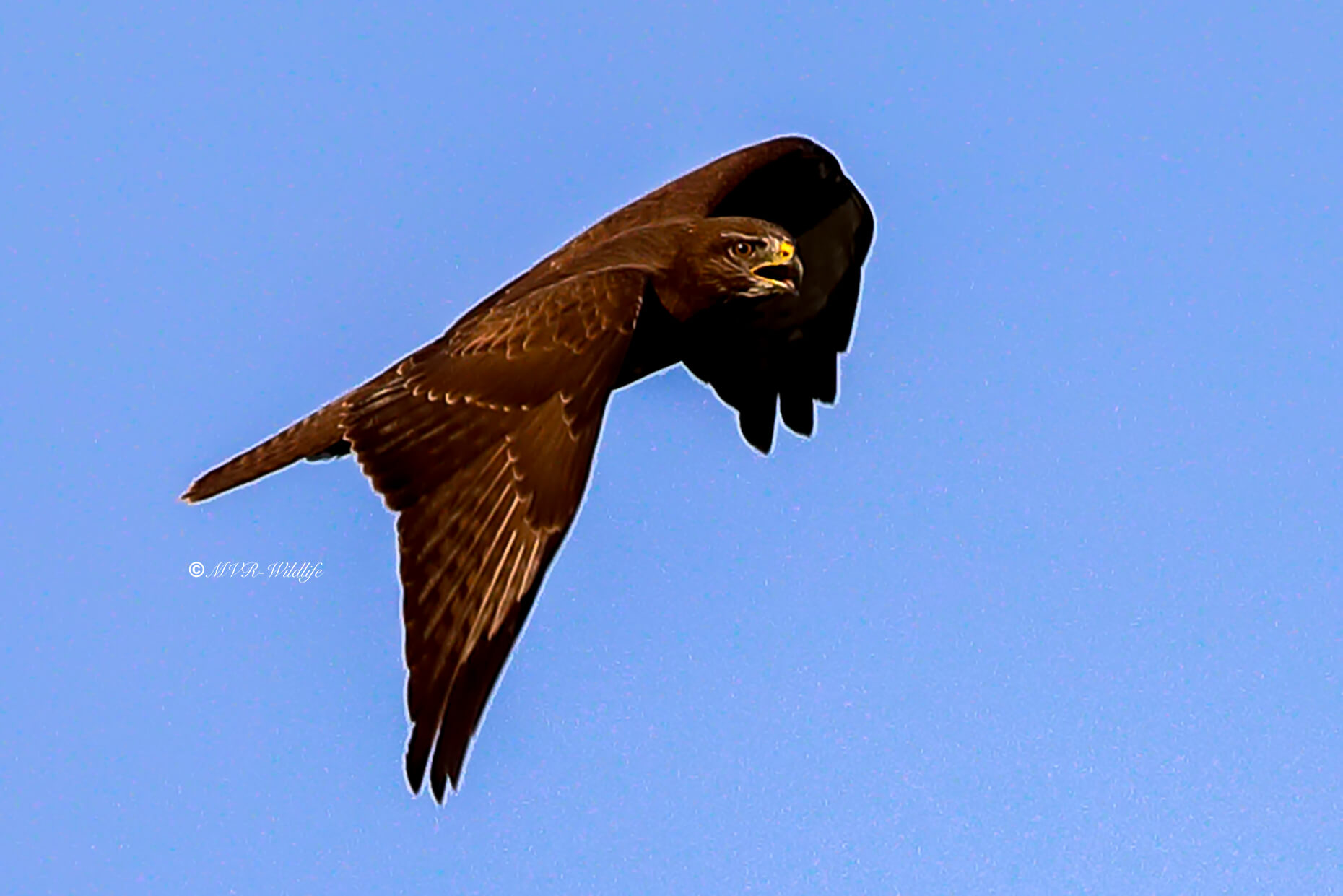
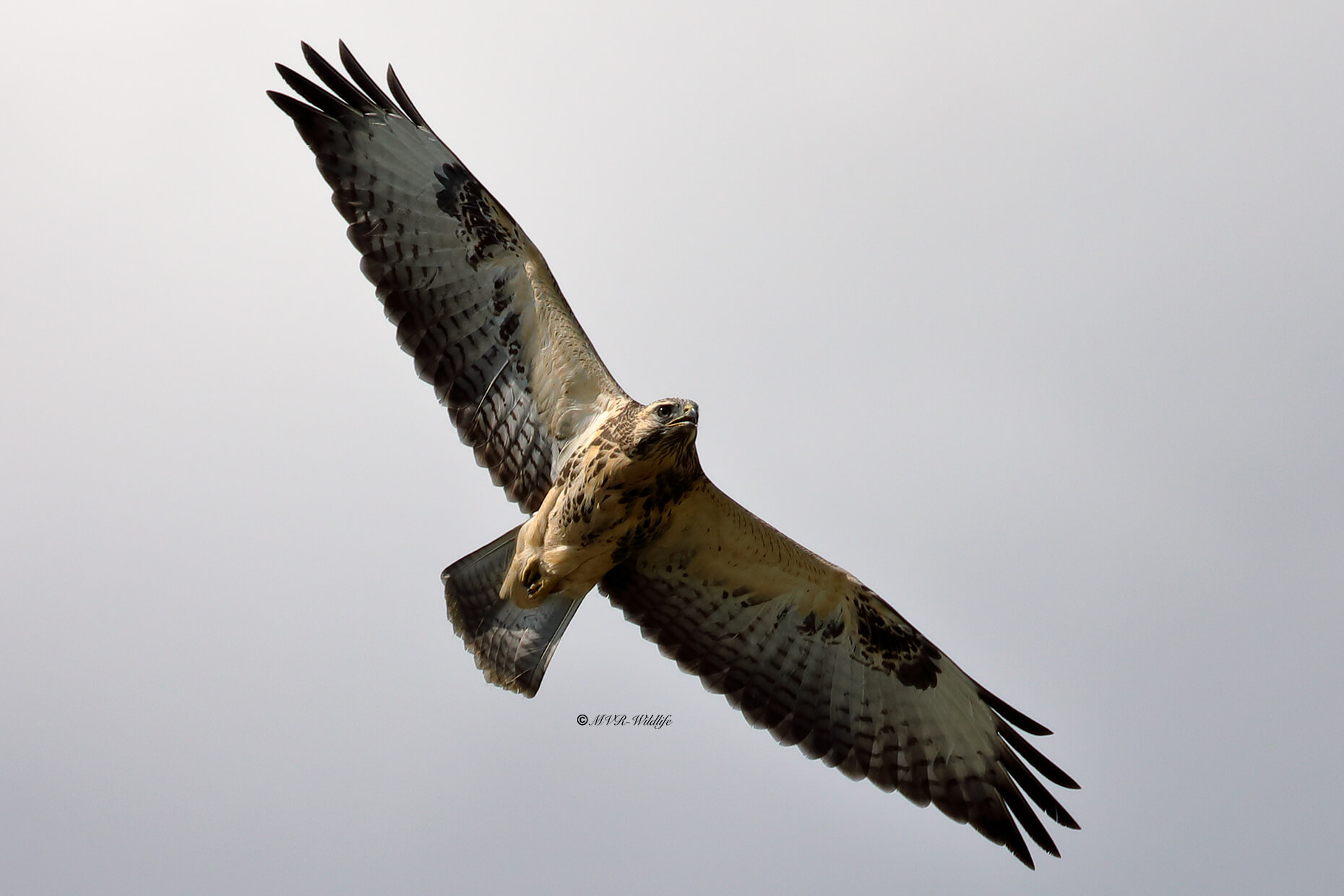
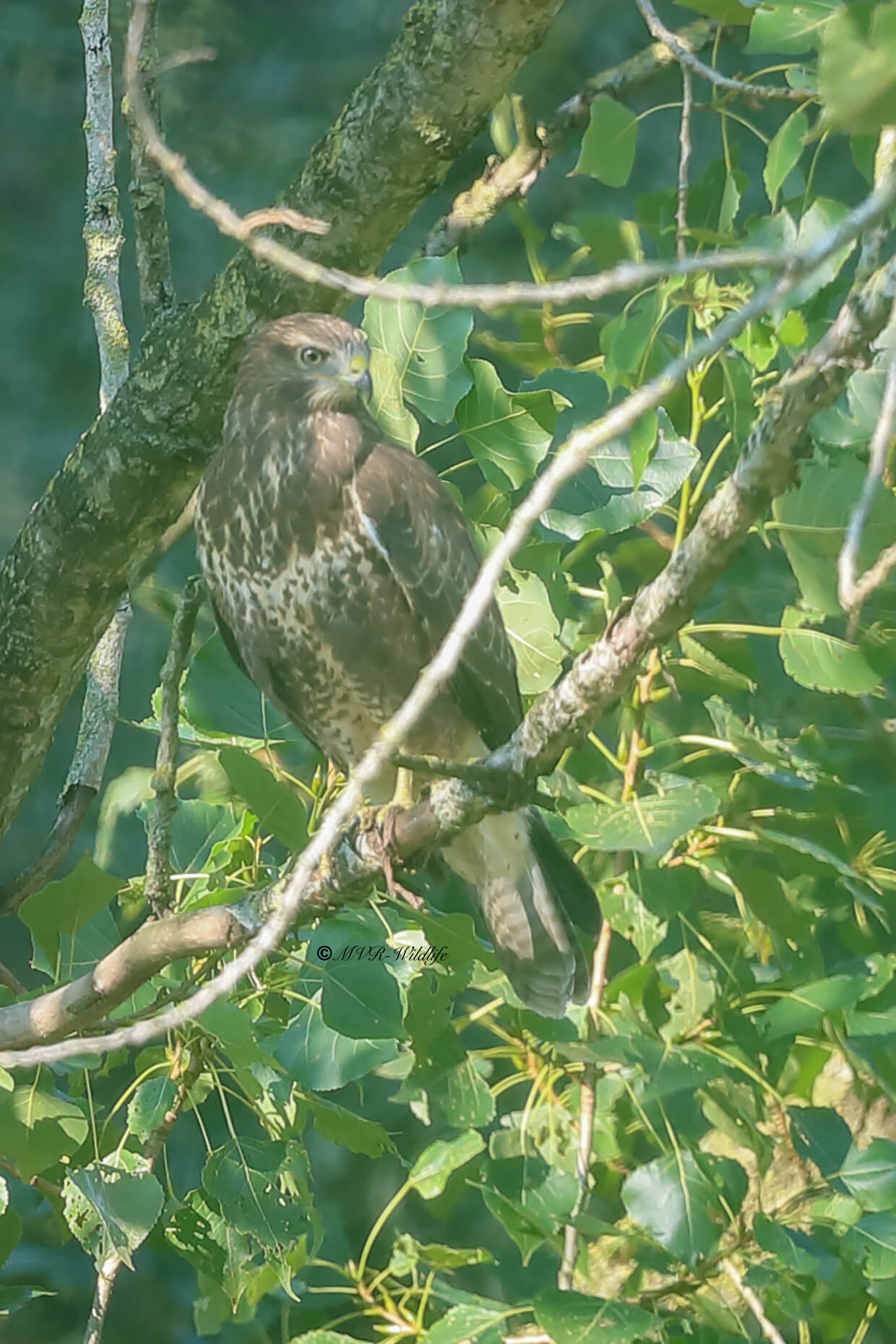
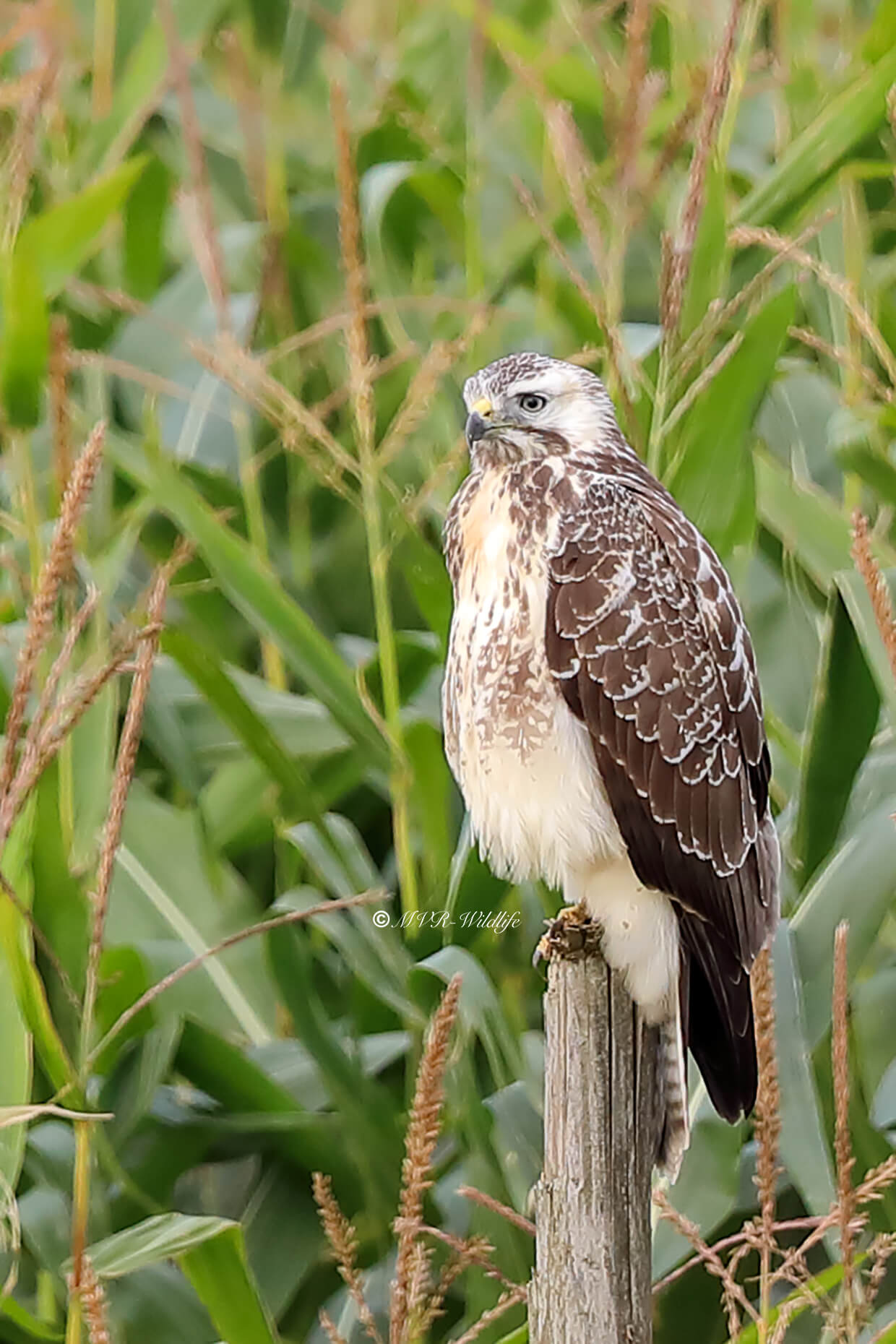
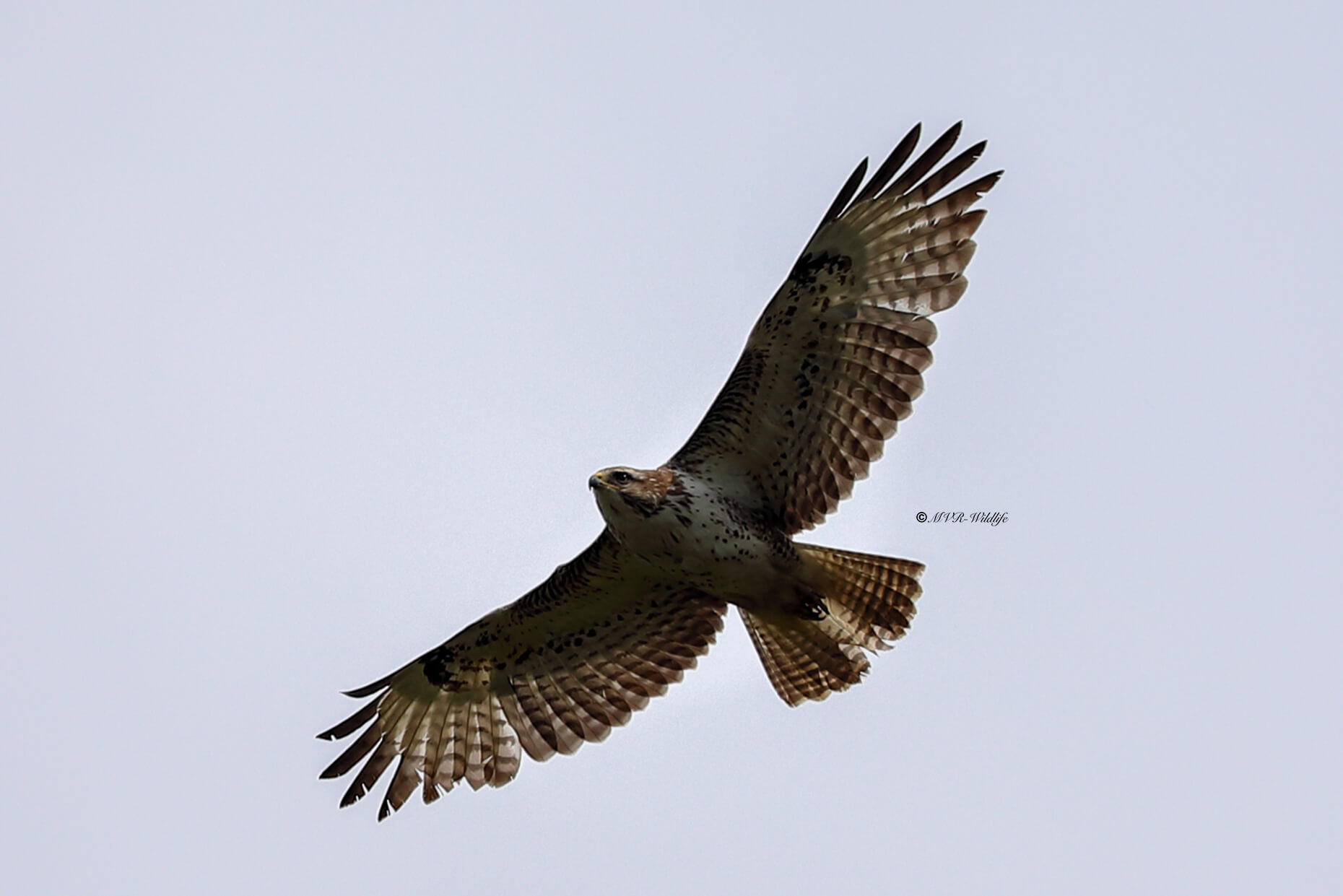
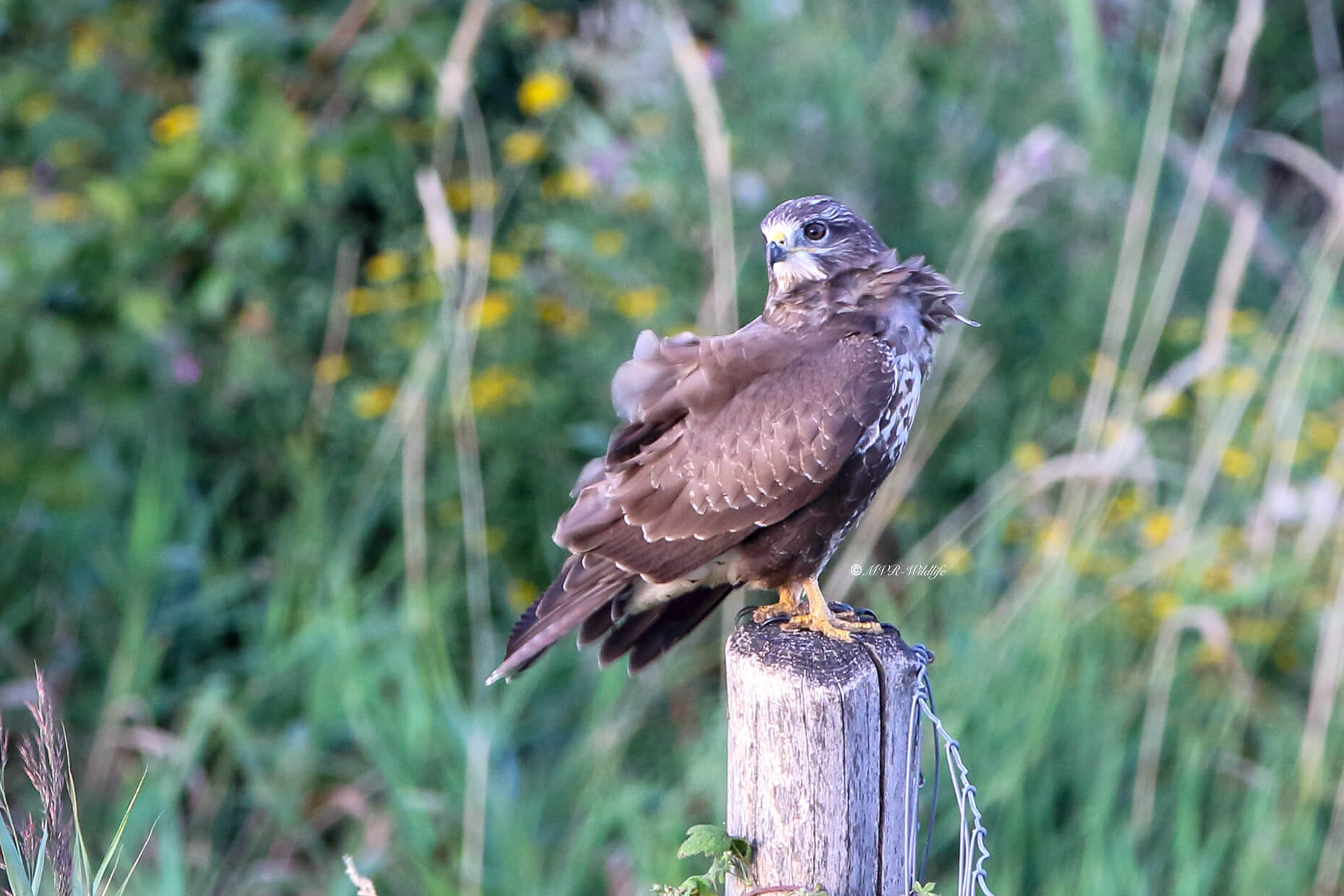
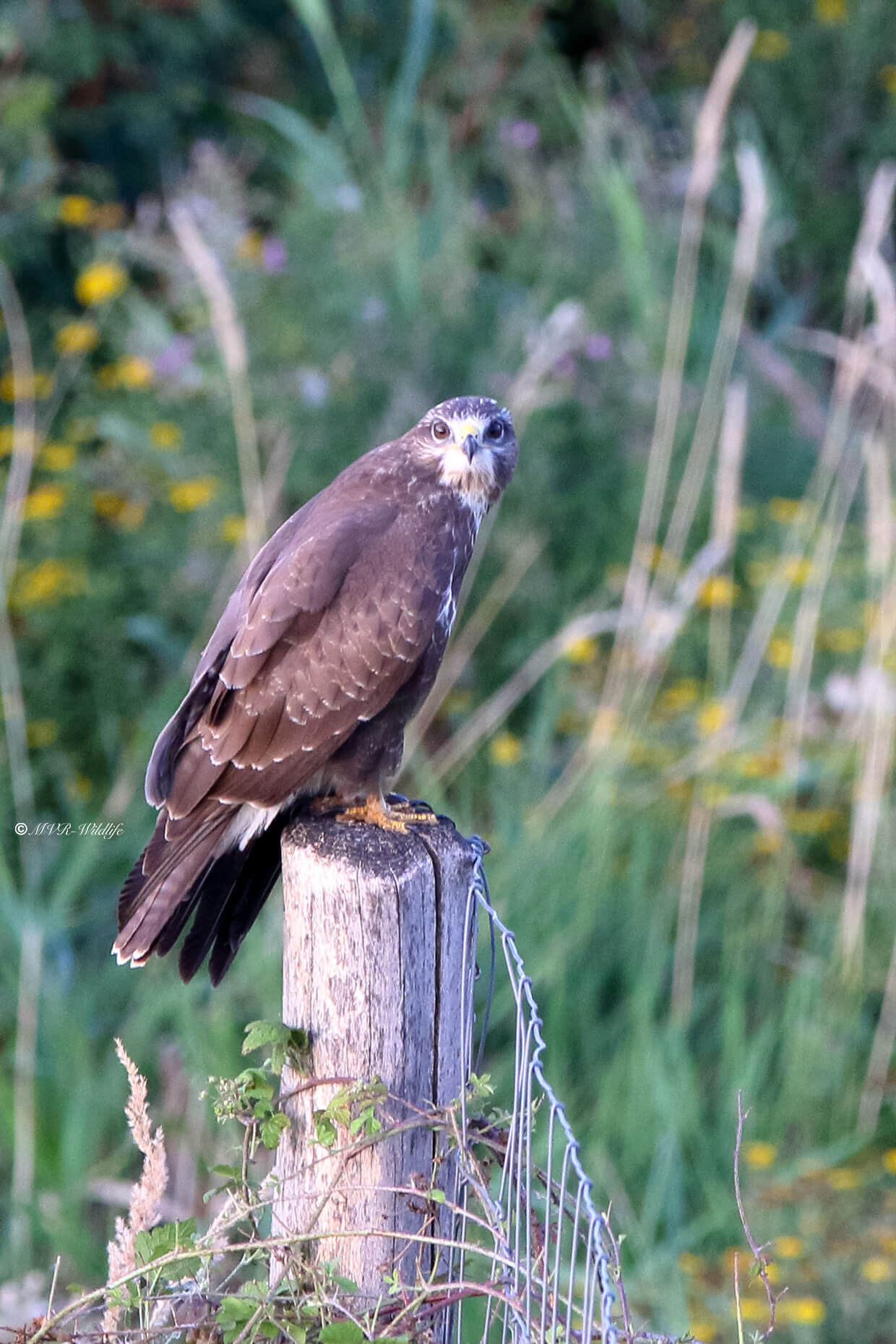
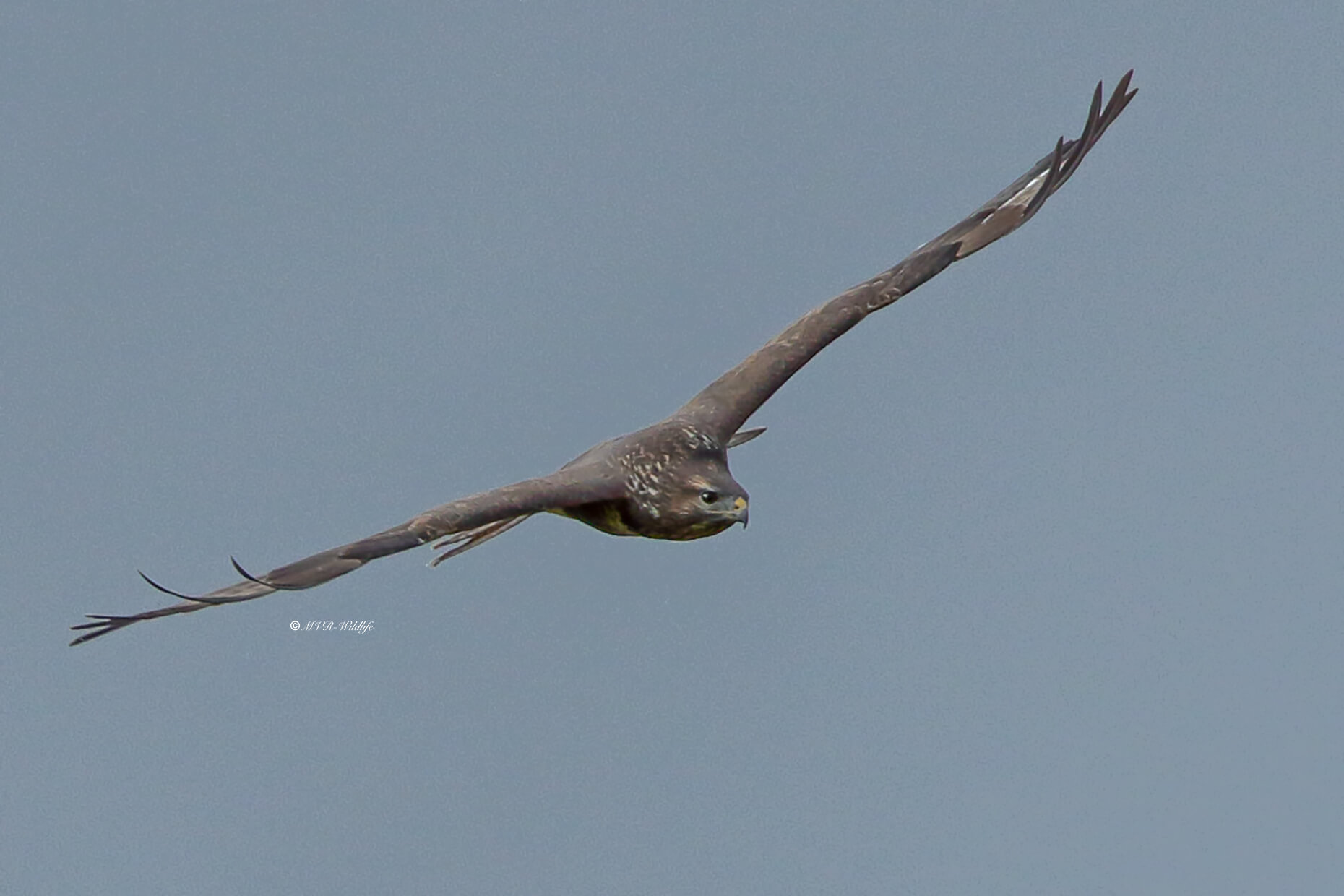
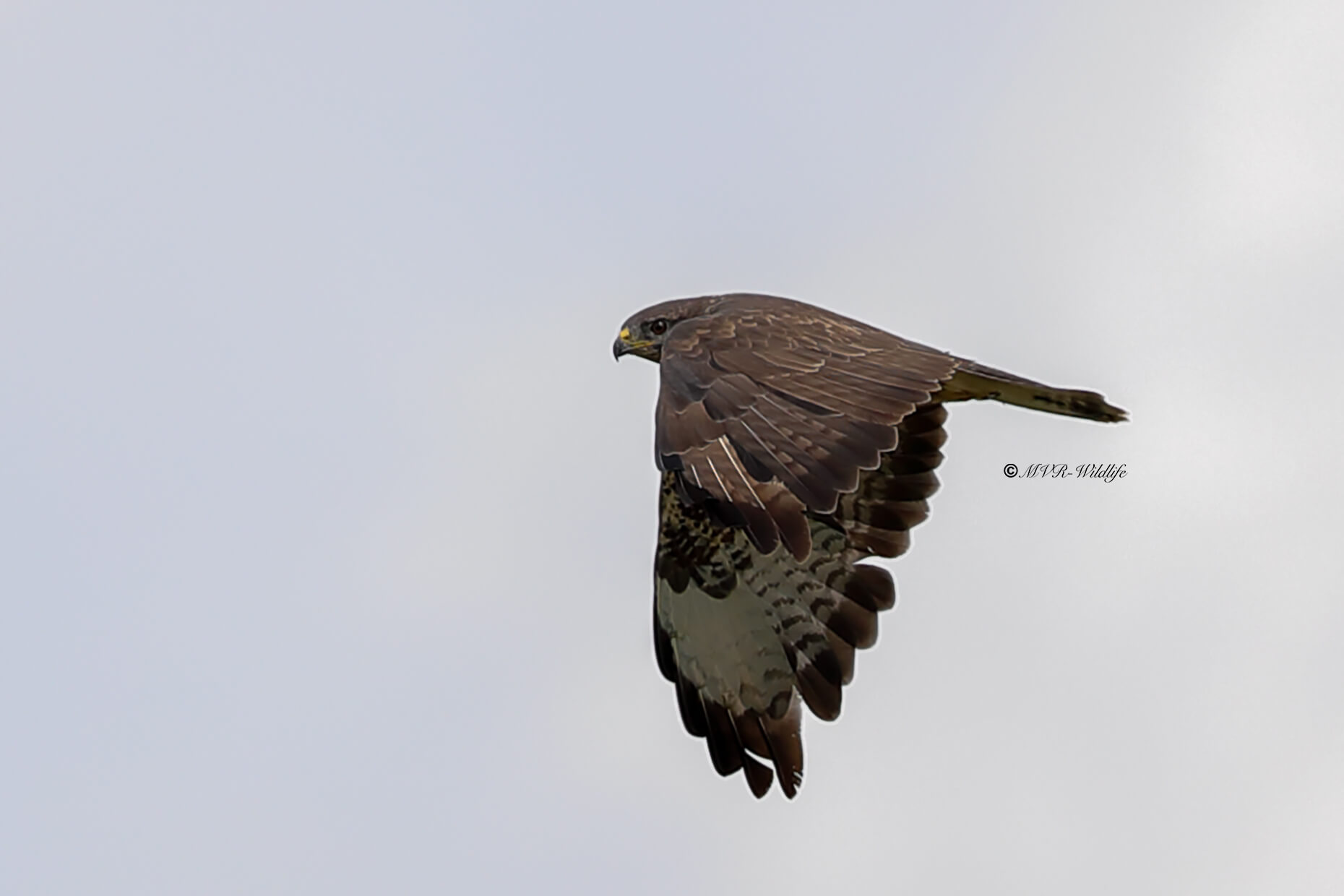
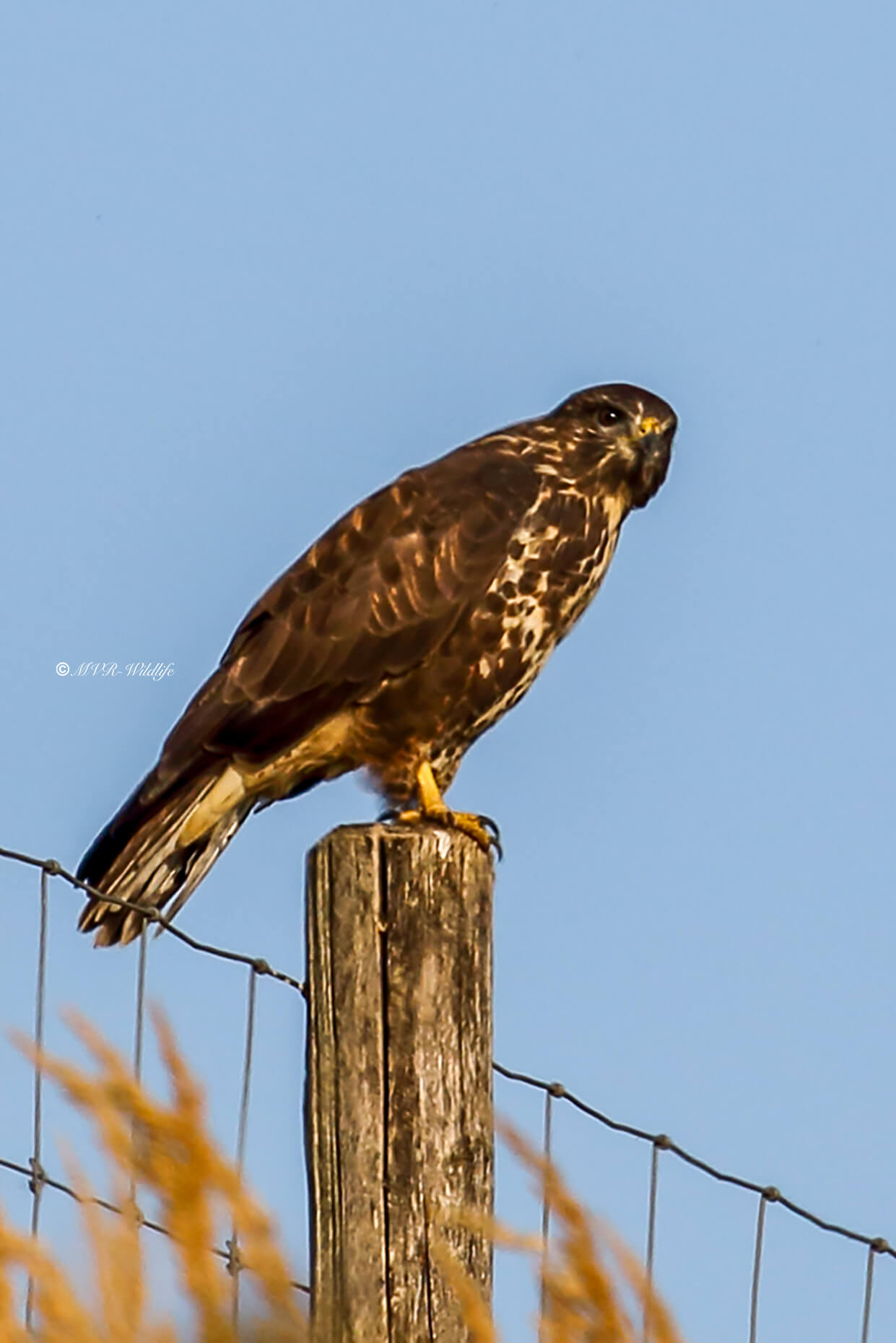
Common Buzzard
Habitat: Although it mainly hunts in open areas (meadows, fields, heathland, clearings, etc.), the buzzard nevertheless depends on the presence of large trees (copses, woods, forests) in which it breeds and rests. There is a fairly close correlation between its appearance and that of fairly wooded areas where livestock is also raised. The type of forest (deciduous or coniferous) is undoubtedly of little importance.
Appearance: The most numerous and widespread medium-sized bird of prey in Europe, although declining in numbers in the northern part of its range. In Belgium and the Netherlands, it is a fairly numerous breeding bird, year-round resident, migrant and winter visitor in fairly large numbers.
Breeding season: March – August, nests in trees, usually reusing and repairing or raising the self-built nest from the previous year, 2 – 3 eggs.
Characteristics: Length 48-56 cm, wingspan 113-130 cm, weight 900-1250 grams, age over 28 years.
Food: The weak feet and short claws indicate that the buzzard is a hunter of small animals, up to about the size of a squirrel. Its main diet consists of mice, supplemented with lizards, snakes, young birds and even insects. The buzzard is highly adaptable and always hunts the prey that is easiest to catch. In harsh winters, when water birds are in distress, the buzzard will also seize a deadly exhausted coot. They also feed on dead game, although it is wrongly claimed that they prey on hares. In good mouse years, they lay more eggs than in bad ones.