Michel van Royen


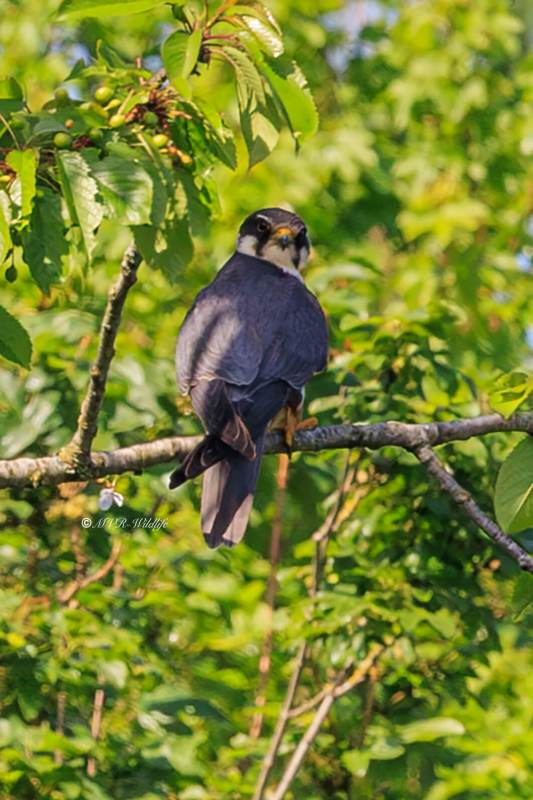
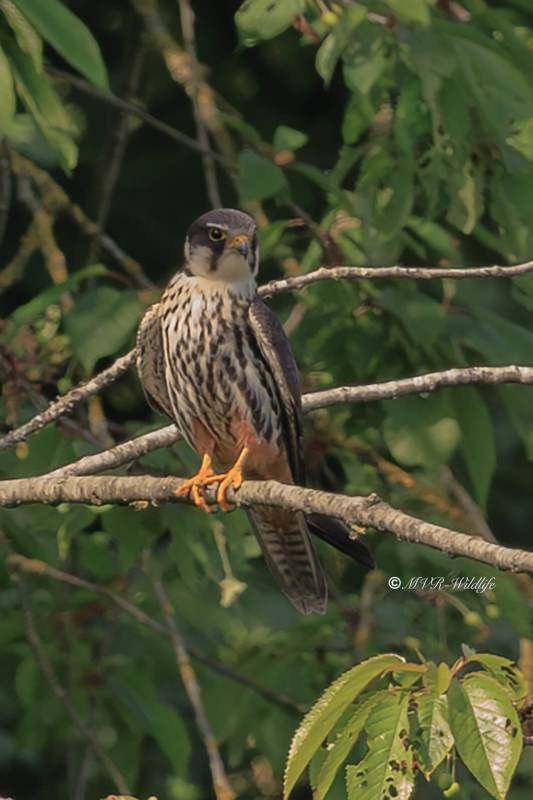
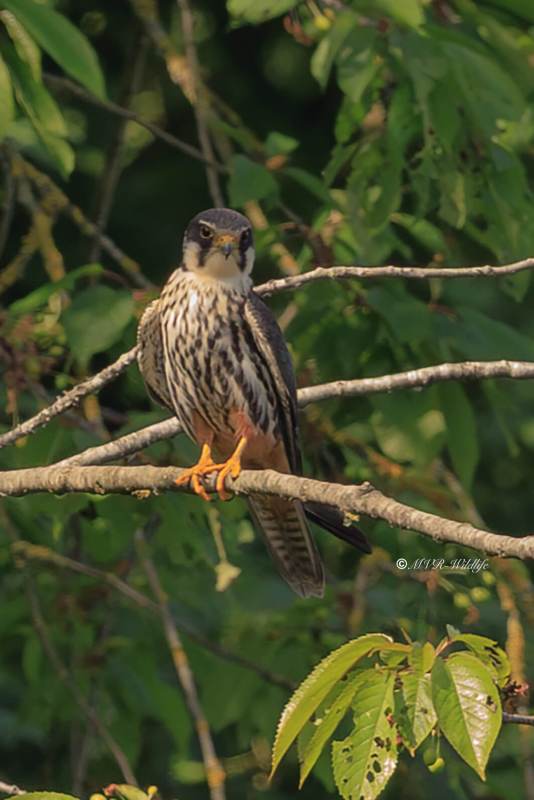
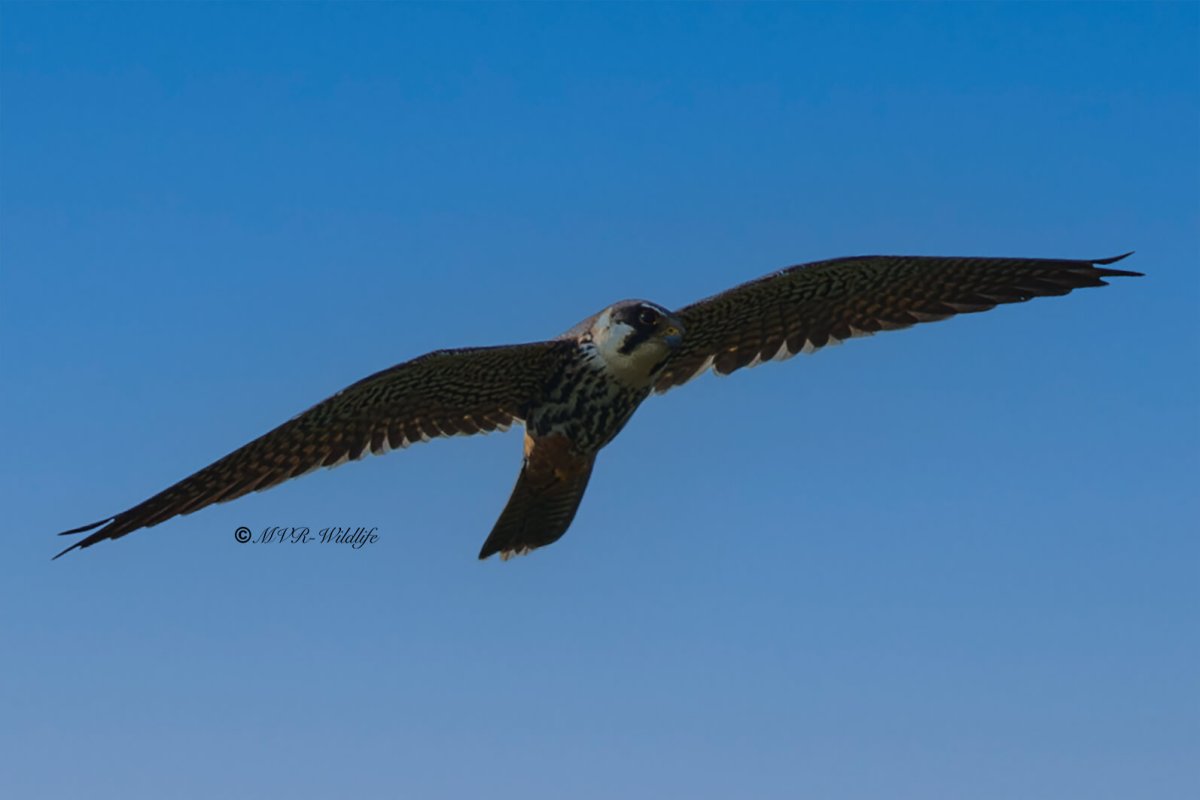
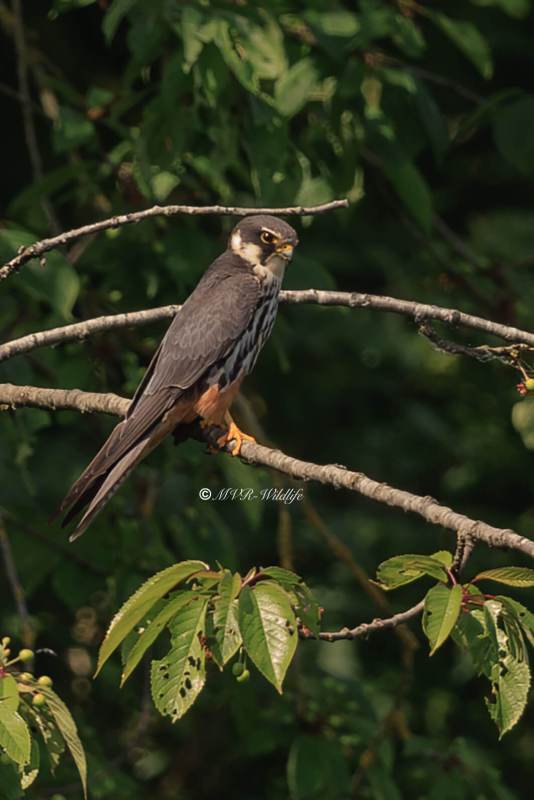
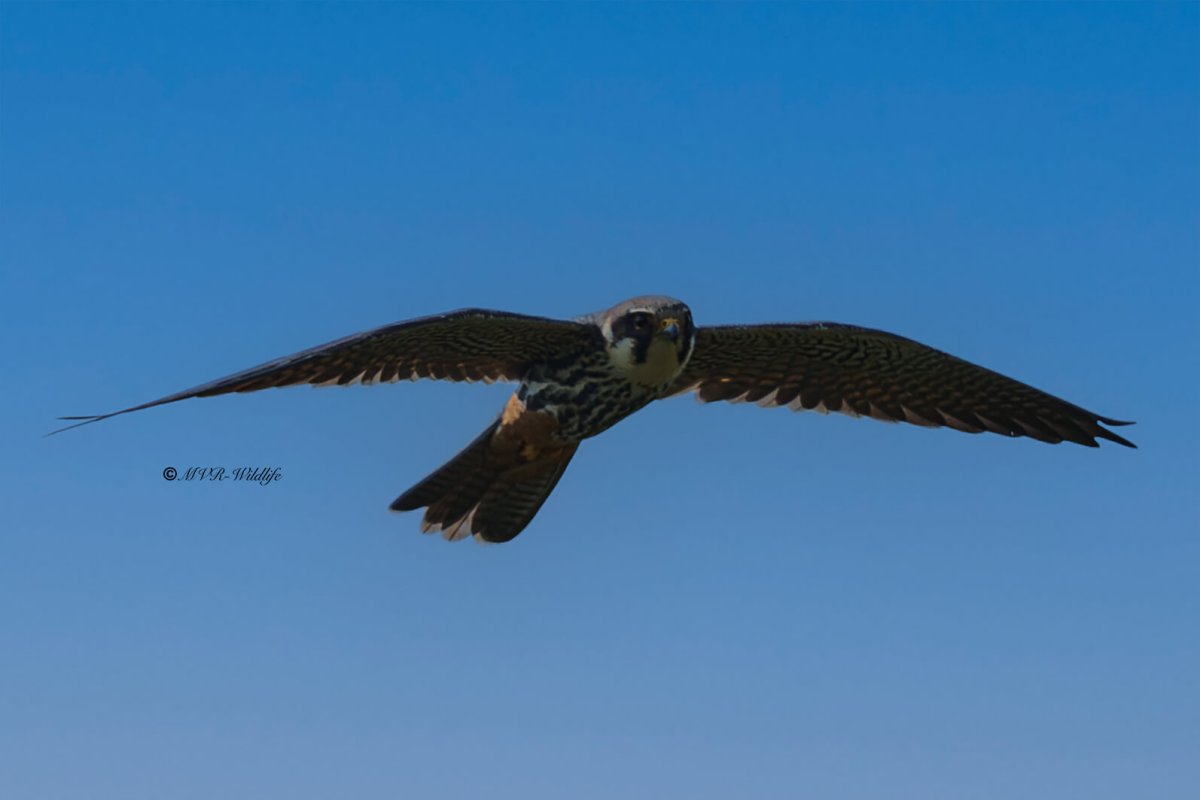
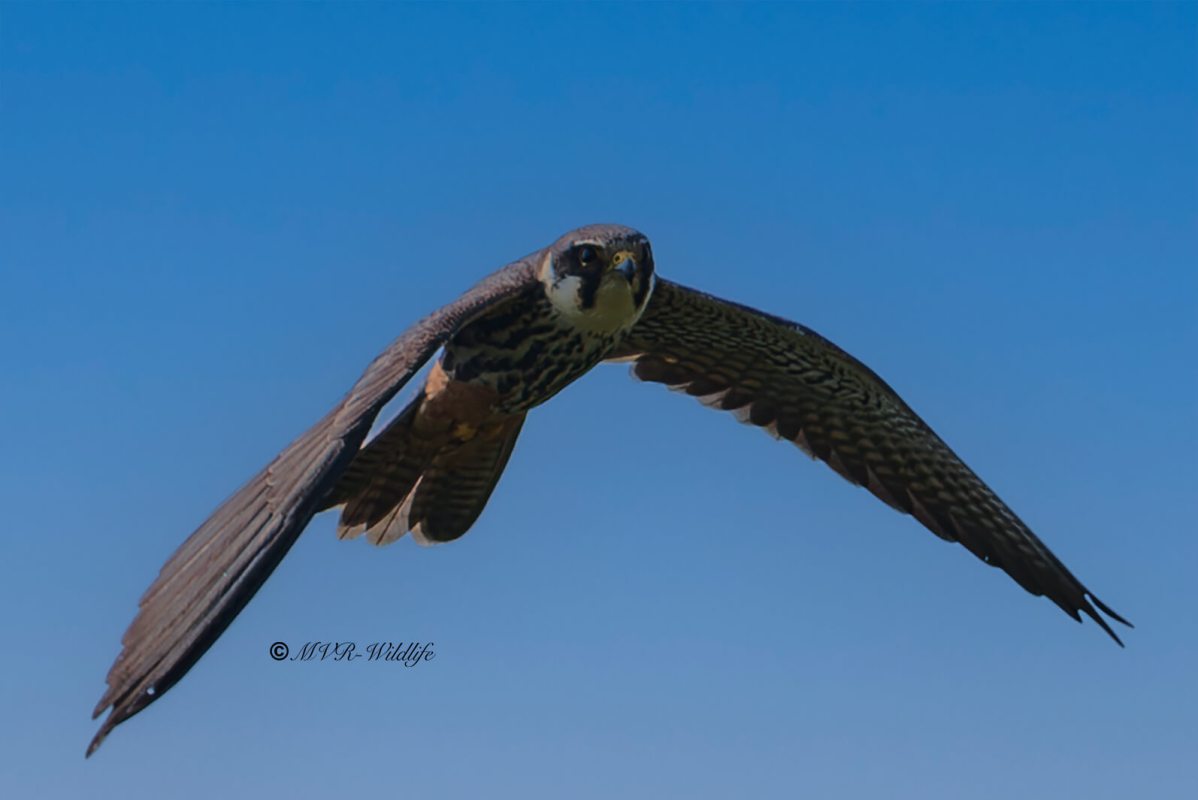
Eurasian Hobby
Habitat: The Eurasian Hobby usually breeds on the edge of forests, on lightly wooded heathland, in copses, rows of trees and even in isolated trees in agricultural areas or in areas with sufficient open space. It prefers to settle on the edge of moist habitats. The nest is often built in pine or poplar trees. It also regularly breeds in the beech forests of the Sonian Forest, close to major roads and inhabited areas. It is a solitary species with a large hunting territory in open tree steppes and cultivated steppes interrupted by forests. It does not occur in cities.
Appearance: Summer visitor throughout temperate Europe, catching insects and swallows. In Belgium and the Netherlands, it is a scarce breeding bird, migrating in small numbers.
Breeding season: May to August, does not build its own nest but takes over the nest of another bird. They use the nest for several years in a row, as long as it survives the winter. Usually, they choose a crow’s nest high up in a tree, laying 2 to 4 eggs.
Characteristics: Length 29 – 35 cm, wingspan 70 – 84 cm, weight 130 – 340 grams, age 15 years.
Food: The peregrine falcon’s hunting flight is a remarkable spectacle. It attacks when a small bird ventures into open air and the falcon has sufficient space. It pursues its prey with playful grace. This happens so quickly that it is almost impossible to follow with the naked eye. If the bird cannot dive directly into the undergrowth, it is lost. Only when the kestrel chooses a barn swallow as its victim does it sometimes have to give up, after chasing it with the persistence of a hunting dog and striking it several times in vain. It hunts until well into dusk and also catches bats and dragonflies. Dragonflies are eaten immediately in the air, their wings falling down. Birds, on the other hand, are carefully plucked and then torn apart, leaving only the wings, which are still held together by the bones of the shoulder girdle. This method of plucking is characteristic of many falcons and betrays their presence. The kestrel’s largest prey in our region is the turtle dove.